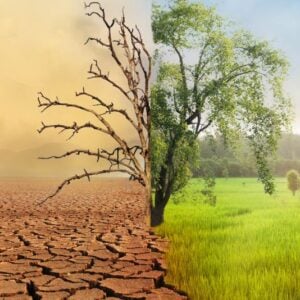
BESTSELLER has announced a $3 million commitment to the Regenerative Fund for Nature, expanding support for farmers’ livelihoods and land restoration in South Africa. By joining partners such as Conservation International, Kering, and Inditex, the company is helping farmers who produce cotton, wool, leather, and cashmere adopt regenerative practices that restore ecosystems, mitigate climate change, improve animal welfare, and strengthen local economies.
The Fund currently supports 14 projects across 10 countries, covering 1.1 million hectares of farms and grazing lands and benefiting more than 105,000 people. BESTSELLER’s contribution will expand ongoing work with sheep farmers and herders in South Africa’s Eastern Cape, a region critical for freshwater systems and biodiversity. Local communities are being supported to return to traditional herding practices such as rotational grazing, which restore grasslands, reduce erosion, and enhance carbon storage.
This new funding builds on earlier support from Kering and Inditex, which has already helped nearly 1,000 farmers across 17,000 hectares adopt regenerative grazing practices and improve animal welfare. The aim now is to scale these successes into a larger, landscape‑focused initiative in collaboration with local partners.
Conservation International emphasized that the program has shown measurable benefits for both farmers’ livelihoods and land health, while also improving market access. Local leaders highlighted the importance of healthy grasslands for water security, biodiversity, and community well‑being, noting that regenerative practices strengthen resilience and sustainability.
The Regenerative Fund for Nature provides grants to farming communities and NGOs implementing regenerative agriculture, reducing the environmental footprint of the fashion industry while supporting rural livelihoods. BESTSELLER’s commitment reflects a broader recognition within the fashion sector that collective action and collaborative investment are essential to scaling regenerative agriculture and delivering long‑term benefits for people, nature, and climate.