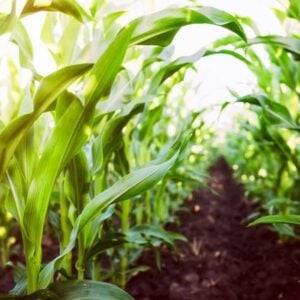
Agriculture plays a central role in Uzbekistan’s economy and society, with over a quarter of the population engaged in farming and nearly half the country’s land used for agriculture and livestock. The country’s fertile soils and long sunny seasons support a wide range of crops and pastoral activities, making land health essential for both livelihoods and national food security.
However, the sector is under growing environmental pressure. Overgrazing, drought, and increasing livestock numbers have contributed to severe land degradation, with more than a quarter of Uzbekistan’s land now affected and large areas at risk of desertification. Reduced vegetation cover has weakened soil structure, leading to wind erosion, salinity, and a steady decline in pasture productivity, particularly in key regions such as Bukhara and Navoi.
To address these challenges, a Global Environment Facility–funded project implemented by the Food and Agriculture Organization is supporting sustainable rangeland and forest management. The initiative focuses on improving land governance, updating regulatory frameworks, and introducing monitoring systems to detect and prevent further degradation. It aims to restore thousands of hectares of degraded land while improving management practices across a much larger area.
The project also emphasizes community participation and capacity building through initiatives such as Farmer Field Schools and pilot Pasture Users’ Associations. These programs help local farmers adopt sustainable livelihoods, including beekeeping, dairy processing, and medicinal plant cultivation, while demonstrating practical land restoration techniques through demonstration plots and training activities.
To strengthen evidence-based land management, the project is equipping research institutions with advanced tools to monitor soil health and productivity more effectively. This improved data supports better decision-making and long-term planning for land restoration efforts across the country.
Together, these efforts aim to restore degraded ecosystems, strengthen rural livelihoods, and improve food security. By combining policy reform, scientific support, and community engagement, Uzbekistan is working toward more sustainable land management practices that benefit both people and the environment.