• Skip to primary navigation
  • Skip to main content
  • Skip to primary sidebar

fundsforNGOs News

Grants and Resources for Sustainability

  • Subscribe for Free
  • Premium Support
  • Premium Login
  • Premium Sign up
  • Home
  • Funds for NGOs
    • Agriculture, Food and Nutrition
    • Animals and Wildlife
    • Arts and Culture
    • Children
    • Civil Society
    • Community Development
    • COVID
    • Democracy and Good Governance
    • Disability
    • Economic Development
    • Education
    • Employment and Labour
    • Environmental Conservation and Climate Change
    • Family Support
    • Healthcare
    • HIV and AIDS
    • Housing and Shelter
    • Humanitarian Relief
    • Human Rights
    • Human Service
    • Information Technology
    • LGBTQ
    • Livelihood Development
    • Media and Development
    • Narcotics, Drugs and Crime
    • Old Age Care
    • Peace and Conflict Resolution
    • Poverty Alleviation
    • Refugees, Migration and Asylum Seekers
    • Science and Technology
    • Sports and Development
    • Sustainable Development
    • Water, Sanitation and Hygiene (WASH)
    • Women and Gender
  • Funds for Companies
    • Accounts and Finance
    • Agriculture, Food and Nutrition
    • Artificial Intelligence
    • Education
    • Energy
    • Environment and Climate Change
    • Healthcare
    • Innovation
    • Manufacturing
    • Media
    • Research Activities
    • Startups and Early-Stage
    • Sustainable Development
    • Technology
    • Travel and Tourism
    • Women
    • Youth
  • Funds for Individuals
    • All Individuals
    • Artists
    • Disabled Persons
    • LGBTQ Persons
    • PhD Holders
    • Researchers
    • Scientists
    • Students
    • Women
    • Writers
    • Youths
  • Funds in Your Country
    • Funds in Australia
    • Funds in Bangladesh
    • Funds in Belgium
    • Funds in Canada
    • Funds in Switzerland
    • Funds in Cameroon
    • Funds in Germany
    • Funds in the United Kingdom
    • Funds in Ghana
    • Funds in India
    • Funds in Kenya
    • Funds in Lebanon
    • Funds in Malawi
    • Funds in Nigeria
    • Funds in the Netherlands
    • Funds in Tanzania
    • Funds in Uganda
    • Funds in the United States
    • Funds within the United States
      • Funds for US Nonprofits
      • Funds for US Individuals
      • Funds for US Businesses
      • Funds for US Institutions
    • Funds in South Africa
    • Funds in Zambia
    • Funds in Zimbabwe
  • Proposal Writing
    • How to write a Proposal
    • Sample Proposals
      • Agriculture
      • Business & Entrepreneurship
      • Children
      • Climate Change & Diversity
      • Community Development
      • Democracy and Good Governance
      • Disability
      • Disaster & Humanitarian Relief
      • Environment
      • Education
      • Healthcare
      • Housing & Shelter
      • Human Rights
      • Information Technology
      • Livelihood Development
      • Narcotics, Drugs & Crime
      • Nutrition & Food Security
      • Poverty Alleviation
      • Sustainable Develoment
      • Refugee & Asylum Seekers
      • Rural Development
      • Water, Sanitation and Hygiene (WASH)
      • Women and Gender
  • News
    • Q&A
  • Premium
    • Premium Log-in
    • Premium Webinars
    • Premium Support
  • Contact
    • Submit Your Grant
    • About us
    • FAQ
    • NGOs.AI
You are here: Home / cat / FAO and Ghana Food Movement Strengthen Indigenous Food Systems

FAO and Ghana Food Movement Strengthen Indigenous Food Systems

Dated: April 20, 2026

The Food and Agriculture Organization of the United Nations (FAO) has signed a collaboration agreement with the Ghana Food Movement (GFM) to strengthen Indigenous Peoples’ food and knowledge systems. The partnership aims to highlight traditional food practices in Ghana while supporting sustainability, biodiversity conservation, and improved nutrition outcomes.

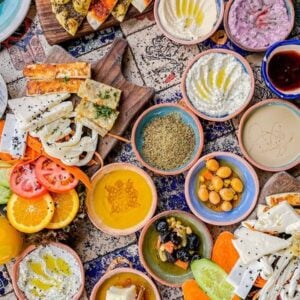
Through its advocacy work, the Ghana Food Movement has helped revive interest in indigenous African ingredients such as fonio, Bambara groundnut, tiger nut, moringa, baobab, okra, fermented locust beans (dawadawa), and various leafy greens. By bringing together chefs, farmers, researchers, and local communities, the movement promotes the cultural and economic value of traditional foods while linking them to broader goals of environmental and social sustainability.

As part of the collaboration, FAO and GFM jointly organized a four-day workshop in Accra from 7 to 10 April 2026 at GFM’s The Kitchen. The workshop brought together Indigenous Peoples’ representatives, researchers, and practitioners to explore Indigenous food systems and biocentric restoration approaches. Participants examined methodologies for documenting traditional knowledge, ecosystem restoration, and sustainable food practices, and discussed how these can be applied in Ghana.

Following the workshop, community members and local experts were trained to carry out field-based research including group discussions, interviews, and data collection, guided by Indigenous Peoples’ rights to free, prior, and informed consent. The research will help document how food systems are connected to biodiversity, culture, health, and livelihoods, contributing to global understanding of sustainable and resilient food systems.

The collaboration also introduced the Indigenous Peoples’ Biocentric Restoration approach, developed jointly by Indigenous Peoples’ organisations and FAO. This approach promotes ecosystem restoration through Indigenous knowledge systems, cultural values, and sustainable territorial management, aiming to address challenges such as deforestation, biodiversity loss, food insecurity, and climate change.

FAO emphasized that Indigenous food systems are not only cultural heritage but also essential to biodiversity protection, healthy diets, and climate resilience. Officials noted that the partnership helps integrate Indigenous knowledge into global discussions on sustainability while strengthening local capacities.

The Ghana Food Movement also expressed optimism that the collaboration will deepen understanding of Ghana’s food heritage and encourage greater appreciation for local ingredients. Both partners highlighted that combining traditional knowledge with scientific approaches can strengthen agrifood systems and support long-term resilience for communities.

Related Posts

  • FAO Report Highlights Women’s Role in Africa’s Agrifood Systems
  • Senegal Tackles Food Waste with FAO-Supported Touba Project
  • Food Value Chain Losses: Where Food Is Wasted and How to Save It
  • KSrelief $25 Million Boost Strengthens Food Security and Livelihoods in Yemen
  • WFP Calls for Support to Fight Food Insecurity in Haiti

Primary Sidebar

Latest News

Commission Releases Emergency Aid for Fisheries and Aquaculture Sector

GrainCorp Announces First 2026 Community Grant Recipients

Boost for Arts and Culture in Tāmaki Makaurau

Acute Food Insecurity in Haiti Affects Over Half the Population

Reducing Food Loss: Inside the Global Food Value Chain

How Nuclear Science is Transforming Agrifood Systems in Africa

FAO and Ghana Food Movement Strengthen Indigenous Food Systems

Africa: WHO and African Union Step Up Action on NTDs

The Gambia Health Systems: From Frontline Voices to National Impact

AfD–IFAD Partnership Strengthens Rural Development Worldwide

Belarus Escalates Use of ‘Extremism’ Laws to Target Dissent

Proposed Online Censorship Rules in India Raise Concerns

Gaza War: Over 38,000 Women and Girls Killed, Says UN Women

Middle East War Drives Caribbean Food Prices Higher Amid Climate Threat

Sandstone cliff with carved ancient tomb facades and a doorway in Petra-like ruins

UNESCO Grants Enhanced Protection to Middle East Heritage Sites Amid Conflict

France: Entry Ban on Palestinian Activist Blocks Advocacy Efforts

Haiti Food Crisis: Over Half the Population Faces Severe Hunger

Global News Update: Myanmar Amnesty, Afghanistan Crisis, Ukraine Nuclear Plant Risks

Burkina Faso Dissolves Over 100 NGOs in Crackdown on Civil Society

Sudan War: 76% of Women Feel Unsafe Amid Rising Violence

Why Declining Fertility Doesn’t Mean Economic Decline

Madagascar: Calls to Stop Crackdown on Gen Z Protesters

$11.5M Ontario Investment in Critical Water Infrastructure Upgrades

Ontario Opens Homelessness and Addiction Recovery Hub in Brampton

UK Initiative to Shield Developing Nations from Debt Crises

Call for Proposals: UK ISF Support for Veterans’ Affairs in Ukraine

Queen Elizabeth Trust: New Initiative to Support UK Communities

Fisher Community Resilience Enhancement Project Overview

Malaysia’s Final Stretch: Path to High-Income Status Explained

Rivers for Generations: Strengthening River Basin Partnerships

Global Poverty Data Challenges: Lessons from Cross-Year Errors

Building Strong Health Systems for Migrants in Border Regions

Global Energy and Finance Leaders Shape the Future of Power

Museums and Municipalities Shape Futures Literacy Insights

West Northants Launches £260k Funding for Community Groups

ILO Strengthens Decent Work Efforts in the Sahel

ILO Webinar Series Targets Key Workplace Challenges for Employers

WFP Calls for Support to Fight Food Insecurity in Haiti

AfDB and ILX Complete First Renewable Energy Deal in Egypt

Africa’s Clean Cooking Gap Leaves Nearly 1 Billion Without Access

Funds for NGOs
Funds for Companies
Funds for Media
Funds for Individuals
Sample Proposals

Contact us
Submit a Grant
Advertise, Guest Posting & Backlinks
Fight Fraud against NGOs
About us

Terms of Use
Third-Party Links & Ads
Disclaimers
Copyright Policy
General
Privacy Policy

Premium Sign in
Premium Sign up
Premium Customer Support
Premium Terms of Service

©FUNDSFORNGOS LLC.   fundsforngos.org, fundsforngos.ai, and fundsforngospremium.com domains and their subdomains are the property of FUNDSFORNGOS, LLC 1018, 1060 Broadway, Albany, New York, NY 12204, United States.   Unless otherwise specified, this website is not affiliated with the abovementioned organizations. The material provided here is solely for informational purposes and without any warranty. Visitors are advised to use it at their discretion. Read the full disclaimer here. Privacy Policy. Cookie Policy.