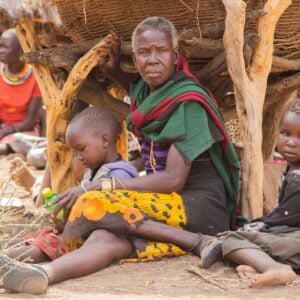
Nearly one billion people in Africa still lack access to clean cooking, relying heavily on charcoal, firewood, and kerosene. This widespread dependence exposes households to toxic smoke containing particulate matter and carbon monoxide, with women and children facing the highest health risks. In Sub-Saharan Africa, about four in five households still do not have access to clean cooking technologies, making it one of the region’s most persistent development and health challenges.
The crisis is further worsened by high fuel prices and energy insecurity, as many African countries are net importers of energy. Recent global conflicts have pushed up fuel costs, making clean cooking transitions more difficult. Despite these challenges, progress is being made, with $2.2 billion mobilised since a major 2024 summit and 30 countries committing through national energy plans aimed at expanding access.
Development partners including the World Bank Group, African Development Bank, and others are promoting large-scale energy access initiatives such as “Mission 300,” which aims to connect 300 million people to electricity while also integrating clean cooking solutions. However, experts stress that clean cooking must be treated as a central pillar of energy access, not a secondary issue.
Health and environmental impacts remain severe. Traditional cooking methods are linked to hundreds of thousands of premature deaths each year and contribute significantly to respiratory and cardiovascular diseases. They also drive deforestation and carbon emissions, with inefficient cooking practices contributing substantial greenhouse gas output and black carbon pollution.
Clean cooking solutions are being promoted not only for health but also for climate and economic benefits. Efficient stoves and cleaner fuels can significantly reduce emissions and fuel use, while also cutting the time required for cooking by up to 70 percent. This reduction in “time poverty” is especially important for women, who often spend hours collecting fuel and cooking over open fires.
However, debates continue over which technologies should be prioritised, particularly the role of fuels like liquefied petroleum gas (LPG) as a transition solution. While some view it as a practical short-term option for expanding access, others warn it could lock countries into fossil fuel dependence and argue for clearer long-term decarbonisation pathways.
Overall, stakeholders agree that clean cooking is essential for improving health, reducing environmental damage, and supporting gender equality. Without urgent investment and coordinated action, the scale of the crisis is expected to persist, leaving hundreds of millions of people exposed to preventable health and environmental risks.