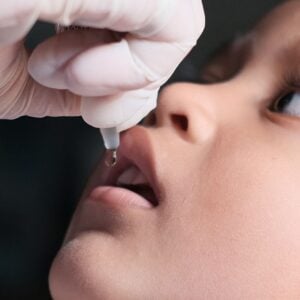
A 27-year-old mother, Godiya Tumba, travelled several kilometres with her two children to a temporary health outreach in Wuro Jabbe, Adamawa State, where both children received missed routine vaccinations. She said she had never properly understood the importance of vaccines until health workers explained it to her clearly. Her experience reflects a broader challenge in Nigeria, where healthcare outcomes depend not only on medical science but also on access, trust, and understanding.
World Health Day 2026 focused on bringing evidence-based healthcare closer to communities, particularly in areas affected by insecurity, misinformation, and limited access to routine services. Across multiple states, the initiative translated national health commitments into practical outreach, strengthening primary healthcare delivery under existing health sector reform frameworks. Health officials emphasized that evidence must be delivered through systems that people trust and can easily reach.
In Adamawa State, temporary outreach services directly reached families in underserved communities. Dozens of children received routine vaccinations, pregnant women were screened, and many children were assessed for malnutrition. Residents reported earlier care-seeking behavior and improved awareness of basic health services as a result of the outreach.
In Cross River State, more than 500 nursing students took part in community health walks across several towns, educating residents on immunization, polio prevention, and misinformation. The initiative also strengthened students’ ability to communicate health information effectively. In Rivers State, community walks, radio programmes, and repeated engagement by health workers helped rebuild trust, leading to increased uptake of routine services. In Bayelsa, collaboration with faith leaders helped deliver accurate health messages through trusted community channels.
In conflict-affected and hard-to-reach areas such as Katsina and Borno, health teams relied on surveillance data and targeted outreach to maintain essential services. In Borno, displaced populations received consultations, malaria testing, tuberculosis screening, and malnutrition checks, helping detect health issues early and reduce complications despite insecurity.
Other states also saw expanded outreach activities. In Delta State, health campaigns reached all local government areas, supporting disease prevention efforts and even assisting safe childbirth during outreach activities. Assistive devices were provided to improve mobility for people with chronic conditions. Across Plateau, Yobe, Benue, Kano, Anambra, Enugu, Oyo, and Kwara, health walks, screenings, and media engagement broadened public awareness and strengthened community participation in health programmes.
The World Health Organization supported these efforts through technical guidance, use of surveillance data, risk communication, and coordination with partners to strengthen service delivery. Health authorities stressed that data-driven planning and strong community engagement are key to improving outcomes.
Overall, World Health Day 2026 demonstrated that when scientific evidence is delivered through trusted, accessible systems, it can directly improve lives. From vaccinations to emergency care and community education, thousands of Nigerians experienced improved access to essential health services, reinforcing the importance of sustained investment in primary healthcare, health workers, and public trust in medical systems.