As conflict continues to devastate Sudan, a growing number of women and girls are living in constant fear, facing heightened risks of violence both during displacement and within camps. According to United Nations Population Fund (UNFPA), nearly three-quarters of women report feeling unsafe across multiple environments, highlighting the severe protection crisis unfolding in the country.
Fabrizia Falcione, UNFPA’s Country Representative in Sudan, shared findings from an extensive assessment involving 95 focus group discussions across 16 states. Around 1,000 women and girls participated, with 76 percent of those aged 25 to 49 stating they feel unsafe not only in displacement camps but also in public spaces such as markets, water points, and roads. The situation becomes even more dangerous at night, particularly when women must walk in complete darkness to access basic facilities like latrines.
Now in its fourth year, the conflict between the Sudanese Armed Forces (SAF) and the Rapid Support Forces (RSF) shows no sign of ending. Many women have endured prolonged exposure to shelling and violence, often being displaced multiple times. Along their journey to safety, they face harassment, sexual violence, food and water shortages, and continued insecurity even after reaching camps.
Inside these camps, women and children make up the majority of residents, yet conditions remain dire. Limited lighting, lack of secure infrastructure, and inadequate services contribute to persistent fear and vulnerability. Reporting gender-based violence is also extremely challenging due to stigma, fear of retaliation, and limited access to support services.
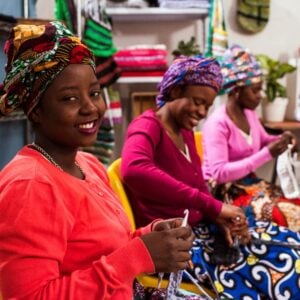
Despite these hardships, Sudanese women are clear about their priorities. Many are not seeking aid alone but opportunities to rebuild their lives. Economic empowerment and access to livelihoods rank as top needs, along with basic healthcare, education for their children, and the ability to return home safely. However, funding gaps remain critical, with protection and health sectors receiving only a fraction of the required support.
UNFPA currently operates dozens of safe spaces across Sudan, providing women and girls with a place to seek help, share their experiences, and access essential services. These centres also offer a sense of normalcy, especially for young girls affected by the war. Yet, limited funding threatens the sustainability of these initiatives.
The situation underscores an urgent call for international attention and support. Without increased funding and focused intervention, millions of women and girls in Sudan will continue to face extreme insecurity, even in places meant to offer refuge.