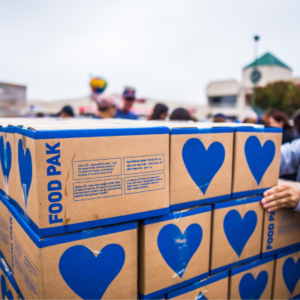
Six weeks after conflict erupted in the Middle East, its economic impact is being felt far beyond the region, with Caribbean nations facing rising food prices and deepening vulnerability. According to analysis supported by the World Food Programme (WFP), the crisis—particularly disruptions linked to the Strait of Hormuz—has triggered one of the most significant global trade shocks since the COVID-19 pandemic and the Russian invasion of Ukraine 2022.
Caribbean economies, which rely heavily on imported food and fuel, are especially exposed. Surging crude oil prices—reaching over $114 per barrel earlier this year—along with higher shipping costs, insurance fees, and delivery delays, have driven up the cost of food, electricity, and transportation. Low-income households are expected to bear the brunt of these increases, as even small price hikes can significantly impact daily living expenses.
Despite a fragile ceasefire, uncertainty in global markets remains high, and the Caribbean is already feeling the strain. Food prices in the region have risen by 55 to 60 percent since 2018, leaving many families struggling to cope and pushing food insecurity well above pre-pandemic levels.
The situation is further complicated by the growing risk of El Niño, with experts warning of a more than 60 percent chance of the climate phenomenon developing by mid-2026. Historically, El Niño has brought drought, heatwaves, and crop failures to countries such as Belize, Guyana, Suriname, Jamaica, and Trinidad and Tobago, threatening both food production and water supplies.
Compounding the crisis are recent climate disasters, including Hurricane Beryl 2024 and Hurricane Melissa 2025, which have already weakened household resilience. Many families now have limited capacity to absorb further shocks, making them more vulnerable to rising prices and reduced crop yields.
Farmers and fishers across the region are also under pressure, facing increased operational costs alongside worsening weather conditions. For low-income households, where food and transport make up a significant portion of spending, the consequences could be severe—forcing families to cut meals, switch to less nutritious options, or take on debt.
Experts warn that the coming months will be critical. Without urgent measures to stabilize markets, support incomes, and protect food production, the Caribbean risks falling into a deeper cycle of economic strain, climate shocks, and escalating food insecurity.