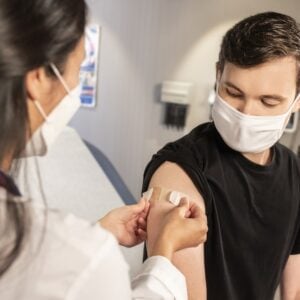
Routine childhood immunization across the Americas continued to recover in 2025, surpassing pre-pandemic vaccination levels, according to the latest WHO and UNICEF Estimates of National Immunization Coverage (WUENIC). Despite this progress, health authorities have warned that declining measles vaccination coverage is leaving communities increasingly vulnerable to outbreaks.
The latest estimates show that the number of unvaccinated children under one year of age in the region fell from 1.3 million to 1.1 million in 2025. Coverage for the first dose of the diphtheria, tetanus, and pertussis (DTP1) vaccine reached 92%, while coverage for the third dose (DTP3) remained stable at 86%, demonstrating continued recovery of routine immunization programmes following the COVID-19 pandemic.
However, measles vaccination rates have declined after improving in 2024. Coverage for the first dose of the measles-containing vaccine (MCV1) fell from 89% to 88%, while second-dose coverage (MCV2) decreased from 79% to 78%. Both figures remain well below the 95% coverage needed to prevent outbreaks of the highly contagious disease.
Health officials noted significant differences in vaccination coverage both between and within countries across the region. While some nations have consistently maintained high immunization rates, others continue to experience gaps caused by geographic, social, and economic inequalities in access to healthcare services.
Several countries in the Americas are currently responding to measles outbreaks, with most cases occurring among individuals who were either unvaccinated or had not completed the recommended vaccination schedule. Public health experts warn that even small pockets of under-immunized populations can allow the virus to spread rapidly, highlighting the importance of maintaining consistently high vaccination coverage.
Alongside improvements in routine childhood immunization, the Americas remain the global leader in human papillomavirus (HPV) vaccination, with coverage reaching 71% in 2025. Continued investment in HPV immunization programmes is helping protect adolescents against cervical cancer, which remains one of the leading causes of cancer-related deaths among women in many countries across the region.
The Pan American Health Organization (PAHO) continues to work with member countries to strengthen national immunization programmes, improve vaccine access, increase public confidence in vaccination, and enhance disease surveillance and outbreak response systems. Through the PAHO Revolving Fund, countries also receive support in securing timely and affordable access to quality-assured vaccines.
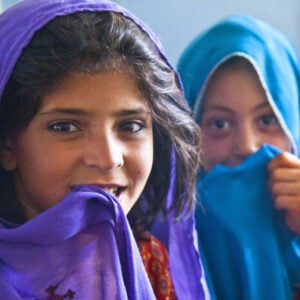
While the recovery of routine immunization represents a significant public health achievement, health authorities stress that sustained investment and higher measles vaccination coverage will be essential to prevent future outbreaks and ensure every child receives lifesaving protection against vaccine-preventable diseases.