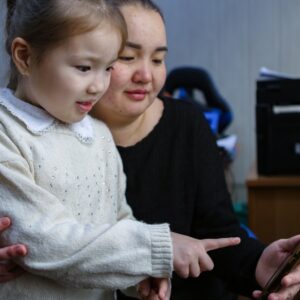
Guyana is strengthening adolescent health services through a new four-day training workshop organized by the Pan American Health Organization (PAHO/WHO) in partnership with the Ministry of Health, UNICEF, UNFPA, and the Canadian-funded C-Gaps project. The initiative aims to improve community-based healthcare services and health education for adolescents across the country.
With young people aged 10 to 24 making up nearly one-third of Guyana’s population, adolescent health remains a national priority. Although the country has made significant progress in maternal and child health, challenges such as adolescent pregnancy, limited access to comprehensive sexuality education, poverty, and school dropout continue to affect many rural and hinterland communities.
The Ministry of Health has expanded adolescent-friendly healthcare through specialized wellness clinics, antenatal services, and community parenting support groups. As part of the latest initiative, healthcare workers received specialized training, while health facilities in Regions 2, 3, 4, 6, 7, and 10 were equipped with educational materials and learning tools to improve health education and service delivery.
The programme aims to provide adolescents with better access to accurate health information, supportive healthcare services, and safe learning environments. By strengthening healthcare systems and empowering young people to make informed decisions, Guyana continues to invest in healthier communities and long-term national development while supporting progress toward the Sustainable Development Goals by 2030.