You are here: Home/cat/ Pakistan Launches First Anticipatory Action Strategy to Reduce Climate Disaster Risks
Pakistan Launches First Anticipatory Action Strategy to Reduce Climate Disaster Risks
Pakistan has announced its first national Anticipatory Action Strategy to strengthen disaster preparedness and reduce the impact of climate-related hazards on vulnerable communities. The strategy, supported by the United Nations World Food Programme (WFP), aims to shift disaster management from emergency response toward early action based on risk forecasts.
Anticipatory action allows governments and humanitarian organizations to use early warning systems to trigger funding and protective measures before disasters occur. The approach helps communities protect lives, livelihoods, and essential assets by preparing in advance for events such as floods, droughts, and extreme weather.
The new strategy builds on a joint initiative led by WFP and the Food and Agriculture Organization of the United Nations (FAO), with support from the European Union and the Government of Pakistan. The program has strengthened early warning systems, tested emergency response procedures, and integrated anticipatory approaches into national and local disaster planning.
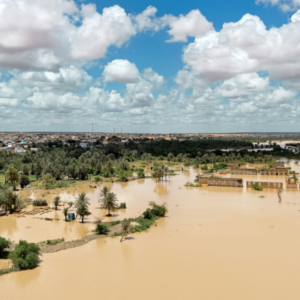
Pakistan has faced increasing climate-related risks in recent years, with disasters causing billions of dollars in damage. Major floods in 2010, 2011, and 2022 contributed to losses exceeding US$60 billion, while the 2025 monsoon floods affected approximately 6.9 million people. Climate forecasts have also raised concerns over droughts and flash floods in 2026.
The effectiveness of anticipatory action was demonstrated during the 2025 floods in Sindh province, where WFP and FAO provided early cash assistance to 15,000 vulnerable people before peak flooding. The support helped families purchase food, evacuate safely, and protect livestock and other assets before conditions worsened.
The initiative has also improved risk analysis, contingency planning, and disaster simulation exercises among national, provincial, and district authorities. According to WFP, investing in anticipatory action can significantly reduce long-term losses, with every dollar invested potentially saving up to US$7 in avoided damages.
Future efforts will focus on expanding early warning systems, strengthening coordination between provinces, and creating pre-disaster financing mechanisms that allow resources to be released before emergencies escalate. Supported by international partners including the European Union and Germany’s development cooperation agencies, the strategy aims to build stronger climate resilience across Pakistan.