The Africa Finance Corporation (AFC) has launched a €108.3 million (approximately US$123 million) financing facility to support the modernization of Togo’s agricultural sector and strengthen the country’s food security. Announced on June 23, 2026, the 10-year funding initiative forms part of the Togolese Agriculture Modernization Program (ProMAT).
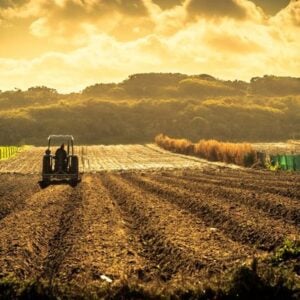
The financing will support the acquisition, assembly, and distribution of essential agricultural machinery and equipment, including 2,126 heavy trucks, 1,020 seeders and combine harvesters, 930 irrigation units, and 95 water supply systems. The investment is expected to improve farming productivity, expand mechanization, and enhance the marketing of agricultural products across the country.
According to AFC, the initiative addresses growing concerns over food security as climate change and global supply chain disruptions continue to impact agricultural production across Africa. AFC President and Chief Executive Officer Samaila Zubairu said strengthening agricultural resilience has become an urgent priority for African nations facing increasing climate-related risks.
Agriculture remains one of Togo’s most important economic sectors, employing nearly 60% of the country’s workforce and contributing around 40% of its gross domestic product (GDP). Despite its significance, the sector continues to face major challenges, including limited access to modern farming equipment, irrigation, improved seeds, and agricultural inputs.
Current estimates indicate that only 37% of farming households use fertilizers, just 8% utilize improved seeds, and less than 1% have access to irrigation systems. In addition, only about one-fifth of the country’s agricultural production reaches formal markets, limiting farmers’ incomes and overall sector growth.
Although Togo has approximately 3.6 million hectares of arable land—around 60% of its total land area—only about 1.4 million hectares are currently under cultivation. The new AFC financing is expected to help unlock the country’s agricultural potential by improving productivity, increasing cultivated land, and supporting long-term food security and rural economic development.