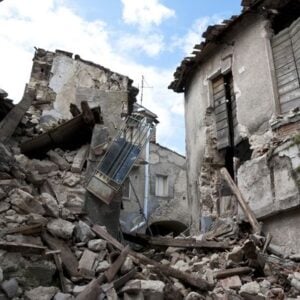
The Pan American Health Organization has activated its emergency response mechanisms to support Venezuela’s health sector following two powerful earthquakes that struck the country on June 24.
According to preliminary official reports, the earthquakes, measuring 7.2 and 7.5 magnitude, have left at least 188 people dead, more than 1,500 injured and 157 missing as of June 25. Authorities warned that these figures may rise as search, rescue and damage assessment operations continue.
The United Nations Office for the Coordination of Humanitarian Affairs reported that at least 100 buildings collapsed in La Guaira alone, highlighting the scale of destruction and the urgent need for coordinated humanitarian and health assistance.
PAHO teams on the ground are working closely with national authorities to assess priority health needs, restore essential health services and prevent further health impacts among affected communities. Rapid response teams in neighbouring countries are also on standby to support emergency operations if required.
The organization is expediting the deployment of essential medicines, medical supplies and equipment through its Regional Strategic Reserve for Emergencies and Disasters in Panama. These supplies are expected to help address urgent needs in trauma care, emergency treatment and continuity of health services.
PAHO is also supporting the Ministry of Health in strengthening health sector coordination. This includes joint assessments, mapping operational capacities and working with regional partners to mobilize technical assistance and humanitarian supplies.
Through its role in coordinating the Emergency Medical Teams Initiative in the Americas, PAHO has identified 21 international Emergency Medical Teams that could support the emergency response. Three teams from Colombia, the United States and the Dominican Republic are on standby for rapid deployment if needed.
From its Emergency Operations Center in Washington, D.C., PAHO is helping assess health facility damage and functionality. Specialists in emergency coordination, hospital safety, logistics, trauma care and mass casualty management are also ready for deployment.
Initial exposure analysis indicates that 91 emergency hospitals are located in areas affected by strong earthquake intensity, including 20 hospitals in zones with higher estimated intensity. These assessments help prioritize hospitals that require urgent checks on structural safety, oxygen availability, water and electricity supply, fuel, referral systems and trauma care capacity.
PAHO emphasized that rapid damage assessments, strong coordination and timely information-sharing are essential in a crisis of this scale. The organization said health assistance must reach affected people quickly while remaining aligned with national priorities and humanitarian principles.
The earthquakes have placed additional pressure on Venezuela’s health services, with urgent needs including medicines, medical supplies, oxygen, fuel and support for damaged facilities. Affected families also require broader humanitarian assistance, including shelter and food.
PAHO will continue working with national authorities, United Nations agencies and humanitarian partners to support life-saving health interventions and early recovery. Additional financial resources are urgently needed to restore damaged health services, protect lives and respond to the immediate needs of affected communities.