• Skip to primary navigation
  • Skip to main content
  • Skip to primary sidebar

fundsforNGOs News

Grants and Resources for Sustainability

  • Subscribe for Free
  • Premium Support
  • Premium Login
  • Premium Sign up
  • Home
  • Funds for NGOs
    • Agriculture, Food and Nutrition
    • Animals and Wildlife
    • Arts and Culture
    • Children
    • Civil Society
    • Community Development
    • COVID
    • Democracy and Good Governance
    • Disability
    • Economic Development
    • Education
    • Employment and Labour
    • Environmental Conservation and Climate Change
    • Family Support
    • Healthcare
    • HIV and AIDS
    • Housing and Shelter
    • Humanitarian Relief
    • Human Rights
    • Human Service
    • Information Technology
    • LGBTQ
    • Livelihood Development
    • Media and Development
    • Narcotics, Drugs and Crime
    • Old Age Care
    • Peace and Conflict Resolution
    • Poverty Alleviation
    • Refugees, Migration and Asylum Seekers
    • Science and Technology
    • Sports and Development
    • Sustainable Development
    • Water, Sanitation and Hygiene (WASH)
    • Women and Gender
  • Funds for Companies
    • Accounts and Finance
    • Agriculture, Food and Nutrition
    • Artificial Intelligence
    • Education
    • Energy
    • Environment and Climate Change
    • Healthcare
    • Innovation
    • Manufacturing
    • Media
    • Research Activities
    • Startups and Early-Stage
    • Sustainable Development
    • Technology
    • Travel and Tourism
    • Women
    • Youth
  • Funds for Individuals
    • All Individuals
    • Artists
    • Disabled Persons
    • LGBTQ Persons
    • PhD Holders
    • Researchers
    • Scientists
    • Students
    • Women
    • Writers
    • Youths
  • Funds in Your Country
    • Funds in Australia
    • Funds in Bangladesh
    • Funds in Belgium
    • Funds in Canada
    • Funds in Switzerland
    • Funds in Cameroon
    • Funds in Germany
    • Funds in the United Kingdom
    • Funds in Ghana
    • Funds in India
    • Funds in Kenya
    • Funds in Lebanon
    • Funds in Malawi
    • Funds in Nigeria
    • Funds in the Netherlands
    • Funds in Tanzania
    • Funds in Uganda
    • Funds in the United States
    • Funds within the United States
      • Funds for US Nonprofits
      • Funds for US Individuals
      • Funds for US Businesses
      • Funds for US Institutions
    • Funds in South Africa
    • Funds in Zambia
    • Funds in Zimbabwe
  • Proposal Writing
    • How to write a Proposal
    • Sample Proposals
      • Agriculture
      • Business & Entrepreneurship
      • Children
      • Climate Change & Diversity
      • Community Development
      • Democracy and Good Governance
      • Disability
      • Disaster & Humanitarian Relief
      • Environment
      • Education
      • Healthcare
      • Housing & Shelter
      • Human Rights
      • Information Technology
      • Livelihood Development
      • Narcotics, Drugs & Crime
      • Nutrition & Food Security
      • Poverty Alleviation
      • Sustainable Develoment
      • Refugee & Asylum Seekers
      • Rural Development
      • Water, Sanitation and Hygiene (WASH)
      • Women and Gender
  • News
    • Q&A
  • Premium
    • Premium Log-in
    • Premium Webinars
    • Premium Support
  • Contact
    • Submit Your Grant
    • About us
    • FAQ
    • NGOs.AI
You are here: Home / cat / Strengthening Minigrid Governance: AMP and AFUR Launch Regional Partnership

Strengthening Minigrid Governance: AMP and AFUR Launch Regional Partnership

Dated: January 22, 2026

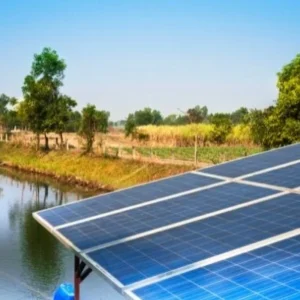
The Africa Minigrids Program (AMP), led by UNDP with support from RMI and the African Development Bank, has launched a strategic partnership with the African Forum for Utility Regulators (AFUR) to strengthen regulatory frameworks for solar minigrids in nine African countries. The collaboration aims to enhance the capacity of regulators and policymakers to expand sustainable energy access, particularly in underserved communities where electricity coverage remains critically low.

The first capacity-building workshop, held in Antananarivo, Madagascar, in November 2025, brought together representatives from Burkina Faso, Comoros, Djibouti, Eswatini, Ethiopia, Madagascar, Malawi, Mauritania, and Somalia. Nineteen participants from public institutions and private operators received training on designing effective, transparent, and inclusive regulatory frameworks. Key stakeholders included the Ministry of Energy and Hydrocarbons, the Electricity Regulatory Authority (ARELEC), and the Rural Electrification Development Agency (ADER). Madagascar’s electricity access remains below 39% nationally and under 20% in rural areas, underscoring the urgent need for distributed renewable energy (DRE) solutions such as solar minigrids.

Solar minigrids offer a practical pathway to electrifying remote communities, but challenges remain, including high tariffs that are often two to three times higher than national grid rates. These affordability issues, if unaddressed, risk undermining the long-term sustainability of projects. Strengthened regulatory frameworks are therefore critical to protect consumers, attract private investment, and ensure financial viability while maintaining accessibility for households and small businesses.

During the workshop, participants gained practical experience with AFUR’s Minigrid Tariff Tool and Model Regulation Tool, enabling them to design tariff methodologies that balance affordability with commercial sustainability. The AMP Community of Practice provides ongoing peer learning and knowledge exchange, allowing lessons from each country to inform improvements across the region.

AFUR and UNDP emphasized the importance of regulatory capacity and regional cooperation for scaling minigrids sustainably. Madagascar illustrates that technology alone is insufficient; predictable, transparent, and investment-ready regulatory frameworks are essential to address local affordability challenges and attract private sector participation. Structured capacity-building and peer learning help countries harmonize approaches, avoid fragmented policies, and accelerate regulatory convergence.

The Madagascar workshop demonstrated how regional collaboration strengthens national outcomes by equipping regulators with tools, harmonized methodologies, and comparative insights. The initiative aims to address complex energy barriers in Madagascar, including heavy reliance on biomass, gender and economic disparities, climate vulnerabilities, widespread poverty, and limited digital connectivity. By improving licensing, subsidies, and tariff-setting processes, the partnership seeks to unlock minigrids’ potential to serve an estimated 1.9 million people across the target countries by 2030.

Supported by generous contributions from the governments of Denmark and Luxembourg through UNDP’s Funding Windows, the partnership aligns with UNDP’s broader mandate to reduce inequalities, promote gender equality, and build resilience. By strengthening regulatory systems and coordinating regional action, the initiative fosters sustainable, affordable, and inclusive energy access across Africa.


Related Posts

  • $4.2M in Israeli Grants Fuel Next-Generation Energy Startup Growth
  • EU Awards €35.8M Grant to Accelerate Clean Energy Projects in Tunisia
  • $30 Million Deal: ADB, Masdar Expand Solar Energy and Storage in Uzbekistan
  • AI’s Role in Transforming the Future of Nuclear Energy
  • UK Accelerates £20 Million to Support Ukraine’s Energy Infrastructure Under Landmark Partnership

Primary Sidebar

Latest News

Nepal Education Resilience: UNESCO and IIEP Strengthen Climate Data Systems

5 Lessons for Organisations Partnering to Empower Women Farmers

NBSCALE Project Insights: How Startups Grow into International Scaleups

360 Tons of Turkish Humanitarian Aid Delivered to Lebanon Amid Israeli Strikes

Cross-Border Emergency Planning Project Launched to Improve Crisis Response

Emergency EU Funding for Fisheries and Aquaculture Hit by Middle East Conflict

IDNR and NOAA Award $1M for Lake Michigan Shoreline Protection in Illinois

African Union Signs Grants with 13 Think Tanks for Africa Think Tank Platform

How Will £3 Million in Arts and Culture Funding Be Used?

UNIDO Joins ENACT Partnership to Scale Finance for Nature-Based Industrial Solutions

Western Balkans: New Deal to Improve Nature Protection Funding

Books Delivered by Horseback to Children in Vanuatu

Save the Children Warns of Severe Child Malnutrition in Pakistan

Ireland Launches 2026 Shared Island Civic Society Fund Round

New Grant Funding Boost for Charities and Social Enterprises

Burkina Faso: Rising Crackdown on Civil Society Groups

Advancing Gender Justice in the Crimes Against Humanity Convention

Global Human Rights: The Current State of the World

Haiti Hunger Alert: More Than 50% Facing Acute Food Insecurity

EIB Group and MCC Sign €400M Deal for Italian SMEs and Mid-Caps

Ethiopia Secures €110M EIB Funding for Agri Finance and Women-Led SMEs

EIB Global and Zemen Bank Unlock €40M for Ethiopian Agriculture

EIB Group Backs €2.4 Billion Energy and Deep Tech Innovation

European Union Launches Youth Agriculture Skills Programme

Quantum Economy Blueprint in Saudi Arabia: 5 Key Lessons

Empowering Indigenous Peoples: GEF’s Leadership Commitment

Uzbekistan Rangeland Restoration Backed by GEF Funding

5 Facts About Somalia’s Humanitarian Crisis Explained

Youth Empowerment Boosts Social Cohesion in Kyrgyzstan

$10.5 Million Boost to Strengthen Health Systems

Lessons from Ethiopia on Empowering Women and Reducing Hunger

UN Warns Development Goals at Risk as Global Financing Crisis Deepens

Gaza War Sets Development Back 77 Years, $71B Needed for Recovery

UN Forum Highlights Indigenous Healthcare Inequality and Rights

Global News: AI in Healthcare, DR Congo Aid Deal, Belarus Rights Concerns, Ukraine Children Impacted

Canada Summer Jobs 2026: Application Guide and Opportunities

How to Unlock Large-Scale SDG Financing

Protecting EU Health Investments in Heart Disease and Cancer Care

How Natural Farming is Changing Agriculture in Southern India

Peru Boosts Disability Inclusion in Public Sector with ILO Support

Funds for NGOs
Funds for Companies
Funds for Media
Funds for Individuals
Sample Proposals

Contact us
Submit a Grant
Advertise, Guest Posting & Backlinks
Fight Fraud against NGOs
About us

Terms of Use
Third-Party Links & Ads
Disclaimers
Copyright Policy
General
Privacy Policy

Premium Sign in
Premium Sign up
Premium Customer Support
Premium Terms of Service

©FUNDSFORNGOS LLC.   fundsforngos.org, fundsforngos.ai, and fundsforngospremium.com domains and their subdomains are the property of FUNDSFORNGOS, LLC 1018, 1060 Broadway, Albany, New York, NY 12204, United States.   Unless otherwise specified, this website is not affiliated with the abovementioned organizations. The material provided here is solely for informational purposes and without any warranty. Visitors are advised to use it at their discretion. Read the full disclaimer here. Privacy Policy. Cookie Policy.