• Skip to primary navigation
  • Skip to main content
  • Skip to primary sidebar

fundsforNGOs News

Grants and Resources for Sustainability

  • Subscribe for Free
  • Premium Support
  • Premium Login
  • Premium Sign up
  • Home
  • Funds for NGOs
    • Agriculture, Food and Nutrition
    • Animals and Wildlife
    • Arts and Culture
    • Children
    • Civil Society
    • Community Development
    • COVID
    • Democracy and Good Governance
    • Disability
    • Economic Development
    • Education
    • Employment and Labour
    • Environmental Conservation and Climate Change
    • Family Support
    • Healthcare
    • HIV and AIDS
    • Housing and Shelter
    • Humanitarian Relief
    • Human Rights
    • Human Service
    • Information Technology
    • LGBTQ
    • Livelihood Development
    • Media and Development
    • Narcotics, Drugs and Crime
    • Old Age Care
    • Peace and Conflict Resolution
    • Poverty Alleviation
    • Refugees, Migration and Asylum Seekers
    • Science and Technology
    • Sports and Development
    • Sustainable Development
    • Water, Sanitation and Hygiene (WASH)
    • Women and Gender
  • Funds for Companies
    • Accounts and Finance
    • Agriculture, Food and Nutrition
    • Artificial Intelligence
    • Education
    • Energy
    • Environment and Climate Change
    • Healthcare
    • Innovation
    • Manufacturing
    • Media
    • Research Activities
    • Startups and Early-Stage
    • Sustainable Development
    • Technology
    • Travel and Tourism
    • Women
    • Youth
  • Funds for Individuals
    • All Individuals
    • Artists
    • Disabled Persons
    • LGBTQ Persons
    • PhD Holders
    • Researchers
    • Scientists
    • Students
    • Women
    • Writers
    • Youths
  • Funds in Your Country
    • Funds in Australia
    • Funds in Bangladesh
    • Funds in Belgium
    • Funds in Canada
    • Funds in Switzerland
    • Funds in Cameroon
    • Funds in Germany
    • Funds in the United Kingdom
    • Funds in Ghana
    • Funds in India
    • Funds in Kenya
    • Funds in Lebanon
    • Funds in Malawi
    • Funds in Nigeria
    • Funds in the Netherlands
    • Funds in Tanzania
    • Funds in Uganda
    • Funds in the United States
    • Funds within the United States
      • Funds for US Nonprofits
      • Funds for US Individuals
      • Funds for US Businesses
      • Funds for US Institutions
    • Funds in South Africa
    • Funds in Zambia
    • Funds in Zimbabwe
  • Proposal Writing
    • How to write a Proposal
    • Sample Proposals
      • Agriculture
      • Business & Entrepreneurship
      • Children
      • Climate Change & Diversity
      • Community Development
      • Democracy and Good Governance
      • Disability
      • Disaster & Humanitarian Relief
      • Environment
      • Education
      • Healthcare
      • Housing & Shelter
      • Human Rights
      • Information Technology
      • Livelihood Development
      • Narcotics, Drugs & Crime
      • Nutrition & Food Security
      • Poverty Alleviation
      • Sustainable Develoment
      • Refugee & Asylum Seekers
      • Rural Development
      • Water, Sanitation and Hygiene (WASH)
      • Women and Gender
  • News
    • Q&A
  • Premium
    • Premium Log-in
    • Premium Webinars
    • Premium Support
  • Contact
    • Submit Your Grant
    • About us
    • FAQ
    • NGOs.AI
You are here: Home / cat / Lessons Learned from the 2025 Los Angeles Wildfires

Lessons Learned from the 2025 Los Angeles Wildfires

Dated: January 8, 2026

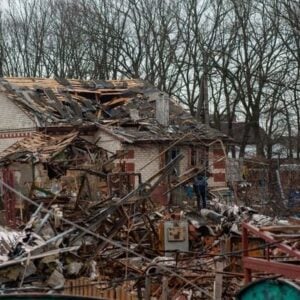
The January 2025 Los Angeles wildfires were among the most destructive in California’s history, claiming over two dozen lives and destroying thousands of structures. The Eaton Fire in Altadena and the Pacific Palisades fire were ranked the second and third most destructive in the state’s records, with total property and capital losses estimated between $76 billion and $131 billion, including up to $45 billion in insured losses. The fires burned an area more than twice the size of Manhattan Island, exposing the high risks of urban living in Southern California and highlighting institutional and policy failures that worsened the crisis. Public outrage was fueled by what many saw as inadequate preparation by city leaders and public agencies.

The wildfires were triggered by ferocious Santa Ana winds, which had been forecasted in advance, and ignited fires in multiple locations, including Altadena, Malibu, and Pacific Palisades. The Palisades Fire was linked to the reignition of a previous blaze, while the Eaton Fire was likely caused by failed power lines. The simultaneous occurrence of fires on opposite ends of Los Angeles stretched emergency response resources, limiting containment and firefighting effectiveness. Strong winds prevented aerial firefighting, and water supply issues, including dry fire hydrants, further impeded response efforts. Evacuation notifications were delayed or inaccurate, contributing to fatalities, particularly in West Altadena.

Los Angeles’s wildfire risks are amplified by its unique ecology, particularly the chaparral biome and arid climate, which foster highly flammable vegetation. Most affected areas were located in the wildland-urban interface (WUI), where residential development meets fire-prone landscapes. Rapid population growth in the WUI, fueled by single-family zoning restrictions and urban sprawl, increased exposure to fire hazards. Utility lines, both active and decommissioned, were implicated in fire ignition, and failures to monitor and extinguish earlier fires contributed to the Palisades Fire.

Infrastructure and resource challenges compounded the crisis. Water systems were insufficient for large-scale firefighting, and municipal hydrants ran dry due to high demand. The Los Angeles Department of Water and Power faced criticism for delayed shutoffs and insufficient pressure. Mismanagement of taxpayer resources and underinvestment in essential services, such as the fire department, worsened outcomes, while extensive land-use regulations limited preventive measures and housing development in safer urban areas.

Controlled burns and vegetation management were inadequately implemented, leaving forests and urban fringes overgrown and highly flammable. Homeowners often failed to maintain defensible space, and California’s insurance system, distorted by Proposition 103, reduced incentives for property-level wildfire mitigation. Zoning restrictions, CEQA, and the California Coastal Act further limited housing development in low-risk areas, pushing people into high-risk WUIs.

Experts recommend comprehensive reforms to reduce wildfire risk, including revising zoning laws to allow more housing in safer urban areas, prioritizing utility risk mitigation, removing abandoned power lines, ensuring proper fire monitoring, separating fire hydrant systems from potable water, and conducting controlled burns. Additional steps include focusing public funds on essential services, repealing Proposition 103, and streamlining permitting processes to enable housing development and wildfire prevention projects.

The 2025 Los Angeles wildfires underscored the urgent need for California to learn from past mistakes and implement proactive measures. Without significant reforms, the state remains vulnerable to future catastrophic fires, and the devastating losses experienced in January 2025 may be repeated.


Related Posts

  • Climate Mitigation in Intermediary Cities: Pathways to Sustainable and Resilient Growth
  • Asia-Pacific Cities: How Local Leadership Will Define Urban Development
  • $1 Billion Raised for Palisades and Eaton Fire Relief as Recovery Needs Continue to Grow
  • Tunisia Court Releases NGO Workers Accused of Assisting Migrants
  • United States Announces Exit from Multiple UN and Global Bodies

Primary Sidebar

Latest News

St. Charles Awards $240K in Grants to 45 Central Oregon Non-Profits

Centre Releases ₹150 Crore NHM Funds for Jammu & Kashmir Healthcare

SA-H2 Fund Invests $4M in South Africa’s First Green Methanol Plant

CapitaLand Group Pledges S$4M for Asian Youth Resilience Initiative

LCRF Unveils $600K Grassroots Grant to Fight ALK+ Lung Cancer

Maharashtra Cyber Partners with NGO to Teach School Cyber Hygiene

Over 300 Projects Across Asia to Benefit as Philanthropy Asia Alliance Mobilises $615 Million in Funding

UN & NGOs Launch $529M Plan for 2.7M Afghan Returnees

New “Igniting Futures” 2026 Grants Strengthen Youth Justice Reform Through Coalition Building Efforts

UNDP Grants 2026: Partner on Community Livelihood & Resilience

Valley Nonprofits to Benefit from $1 Million Capacity-Building Investment by Community Foundation

Radar Raises $170M Series B, Hits $1B Unicorn Valuation

CapitaLand Launches Second Community Resilience Initiative with Up to S$4M to Support Youth Across Asia

Rhode Island Foundation Awards Grants to 26 Medical Research Projects Across State Institutions

German AI Startup Secures €2.7M for Smart Epilepsy Wearables

New Sport England Funding Boost Aims to Grow Women’s and Girls’ Football Across England

Helmsley Trust Funds $5M for Advanced Cancer Care Facilities at Kaiser Permanente Hawaii Moanalua Center

LG-Backed LetinAR Secures $18.5M Ahead of 2027 Smart Glasses IPO

Cedar Falls Invites Applications for Health Trust Fund Grants to Support Community Health Initiatives

Japan and UN Launch $266K Project to Support 10,000 Congolese Refugees

Kids Help Phone Secures $3.2M Funding to Advance AI-Powered Youth Mental Health Support in Canada

San Francisco Launches Transformative Affordable Housing Investment Plan to Double Housing Trust Fund

UK Airport Security Innovation Programme Launched to Advance New Detection Technologies

UN Women Report Details Catastrophic Impact of Gaza War on Women

UN Report Warns Conflict Risks Erasing Decades of Progress for Arab Women

Gilbert Family Foundation Awards $6.4M to Detroit Startup Scene

West Midlands Unveils £3.8bn Investment “War Chest” to Drive Regeneration, Homes and Economic Growth

Dr. Seuss & San Diego Foundations Award $2M for Early Literacy

How a $50K Seed Grant Sparked Lifesaving Leukemia Breakthroughs

UN Security Council Condemns Drone Strike on UAE Nuclear Plant

Hormuz Crisis 2026: How the Chokepoint War Hits Your Wallet

Dominican Republic Launches Territorial Food Systems Shift in San Juan

UN Report: Climate Action is Key to Affordable Housing, but Progress Stalls

Ireland Opens Applications for €120M Road Transporters Support Scheme

Undocumented Migrants Shut Out of Europe’s Healthcare, Joint Study Warns

Whitmer Unveils Three Southeast Michigan Projects Driving Job Growth and $97 Million in Investment

New York Power Authority Awards Aim to Strengthen Clean Energy Economy and Create Nearly 300 Jobs

PAHO Highlights Excellence in Public Health Leadership Across Brazil, Colombia, Mexico and Uruguay

New PAHO–Google Initiative Aims to Improve Access to Reliable Health Information in the Americas

Health Authorities Boost Ebola Response Readiness Across the Americas Under PAHO Coordination

Funds for NGOs
Funds for Companies
Funds for Media
Funds for Individuals
Sample Proposals

Contact us
Submit a Grant
Advertise, Guest Posting & Backlinks
Fight Fraud against NGOs
About us

Terms of Use
Third-Party Links & Ads
Disclaimers
Copyright Policy
General
Privacy Policy

Premium Sign in
Premium Sign up
Premium Customer Support
Premium Terms of Service

©FUNDSFORNGOS LLC.   fundsforngos.org, fundsforngos.ai, and fundsforngospremium.com domains and their subdomains are the property of FUNDSFORNGOS, LLC 1018, 1060 Broadway, Albany, New York, NY 12204, United States.   Unless otherwise specified, this website is not affiliated with the abovementioned organizations. The material provided here is solely for informational purposes and without any warranty. Visitors are advised to use it at their discretion. Read the full disclaimer here. Privacy Policy. Cookie Policy.