• Skip to primary navigation
  • Skip to main content
  • Skip to primary sidebar

fundsforNGOs News

Grants and Resources for Sustainability

  • Subscribe for Free
  • Premium Support
  • Premium Login
  • Premium Sign up
  • Home
  • Funds for NGOs
    • Agriculture, Food and Nutrition
    • Animals and Wildlife
    • Arts and Culture
    • Children
    • Civil Society
    • Community Development
    • COVID
    • Democracy and Good Governance
    • Disability
    • Economic Development
    • Education
    • Employment and Labour
    • Environmental Conservation and Climate Change
    • Family Support
    • Healthcare
    • HIV and AIDS
    • Housing and Shelter
    • Humanitarian Relief
    • Human Rights
    • Human Service
    • Information Technology
    • LGBTQ
    • Livelihood Development
    • Media and Development
    • Narcotics, Drugs and Crime
    • Old Age Care
    • Peace and Conflict Resolution
    • Poverty Alleviation
    • Refugees, Migration and Asylum Seekers
    • Science and Technology
    • Sports and Development
    • Sustainable Development
    • Water, Sanitation and Hygiene (WASH)
    • Women and Gender
  • Funds for Companies
    • Accounts and Finance
    • Agriculture, Food and Nutrition
    • Artificial Intelligence
    • Education
    • Energy
    • Environment and Climate Change
    • Healthcare
    • Innovation
    • Manufacturing
    • Media
    • Research Activities
    • Startups and Early-Stage
    • Sustainable Development
    • Technology
    • Travel and Tourism
    • Women
    • Youth
  • Funds for Individuals
    • All Individuals
    • Artists
    • Disabled Persons
    • LGBTQ Persons
    • PhD Holders
    • Researchers
    • Scientists
    • Students
    • Women
    • Writers
    • Youths
  • Funds in Your Country
    • Funds in Australia
    • Funds in Bangladesh
    • Funds in Belgium
    • Funds in Canada
    • Funds in Switzerland
    • Funds in Cameroon
    • Funds in Germany
    • Funds in the United Kingdom
    • Funds in Ghana
    • Funds in India
    • Funds in Kenya
    • Funds in Lebanon
    • Funds in Malawi
    • Funds in Nigeria
    • Funds in the Netherlands
    • Funds in Tanzania
    • Funds in Uganda
    • Funds in the United States
    • Funds within the United States
      • Funds for US Nonprofits
      • Funds for US Individuals
      • Funds for US Businesses
      • Funds for US Institutions
    • Funds in South Africa
    • Funds in Zambia
    • Funds in Zimbabwe
  • Proposal Writing
    • How to write a Proposal
    • Sample Proposals
      • Agriculture
      • Business & Entrepreneurship
      • Children
      • Climate Change & Diversity
      • Community Development
      • Democracy and Good Governance
      • Disability
      • Disaster & Humanitarian Relief
      • Environment
      • Education
      • Healthcare
      • Housing & Shelter
      • Human Rights
      • Information Technology
      • Livelihood Development
      • Narcotics, Drugs & Crime
      • Nutrition & Food Security
      • Poverty Alleviation
      • Sustainable Develoment
      • Refugee & Asylum Seekers
      • Rural Development
      • Water, Sanitation and Hygiene (WASH)
      • Women and Gender
  • News
    • Q&A
  • Premium
    • Premium Log-in
    • Premium Webinars
    • Premium Support
  • Contact
    • Submit Your Grant
    • About us
    • FAQ
    • NGOs.AI
You are here: Home / cat / Responding to Climate Change and Conflict in the Sahel: Insights from Mali, Mauritania, and Niger

Responding to Climate Change and Conflict in the Sahel: Insights from Mali, Mauritania, and Niger

Dated: December 30, 2025

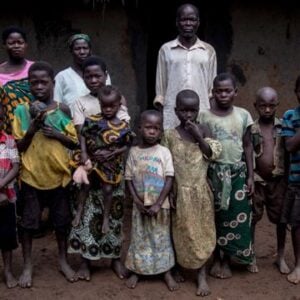
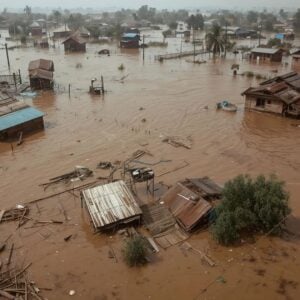
In Mali, Mauritania, and the Niger, children face compounding challenges from climate change and conflict, which together create severe economic and non-economic losses. Slow-onset processes such as changing rainfall patterns and rising temperatures, along with sudden-onset disasters like floods and storms, have gradually undermined agriculture-based livelihoods that most families rely on. At the same time, escalating conflict and fragility in the Sahel exacerbate these vulnerabilities, triggering large-scale displacement and disproportionately affecting women and children. The lack of access to essential services such as health, water, sanitation, and education further amplifies these risks, leading to food insecurity, disrupted learning, poor mental health outcomes, and heightened child protection concerns including child labour, early marriage, and exposure to violence.

To address these complex and overlapping risks, UNICEF implemented the Building Resilience in the Sahel (BRS) programme, using a humanitarian–development–peace nexus approach. Funded through flexible, multi-year support from the German Federal Ministry for Economic Cooperation and Development (BMZ), the programme strengthened resilience at individual, community, and system levels. Interventions focused on enhancing the capacity of child-critical social services—including health, nutrition, education, WASH, social protection, and child protection—while also empowering communities to plan, manage, and monitor interventions. By linking decentralized and national systems with community-based mechanisms, the programme improved equitable access to adaptive social services for children and their families, ensuring continuity of support during crises.

A participatory, bottom-up approach was central to the programme, enabling communities to identify vulnerabilities, set priorities, and design locally relevant interventions. Village committees and youth initiatives, such as Jeunes Voix du Sahel and U-Reporters, played a critical role in planning and monitoring activities, which enhanced accountability and strengthened local ownership. These approaches also allowed children and adolescents to contribute to community decision-making, ensuring that interventions were responsive to their specific needs and circumstances. Gender-responsive measures addressed girls’ differentiated access to services, including protection against child marriage and child labour, while promoting equitable access to education and health services.

The BRS programme successfully reached more than 3.5 million vulnerable people, including 2.7 million children, improving access to shock-responsive social services and mitigating both economic and non-economic losses and damages. Its integrated, long-term approach demonstrated the value of sustained funding for system-level change and illustrated the importance of partnerships with locally led organizations. By channeling resources to nearly 300 community-based partners, the programme strengthened grassroots capacity to deliver child-responsive and conflict-sensitive interventions. The experience underlines the critical role of international actors like UNICEF in bridging funding gaps, supporting local solutions, and ensuring that aid reaches children and communities in fragile and conflict-affected contexts.

This programme highlights the necessity of linking immediate humanitarian assistance with long-term resilience-building, investing in local capacity, and sustaining flexible, conflict-sensitive funding to protect children from the compounded impacts of climate change and conflict in the Sahel.
Related Posts

  • Lao PDR Case Study: Facilitating Child-Focused Psychosocial Support During Flood Recovery in Sanamxay District
  • Insights from Peru: Child-Focused Social Protection Approaches to Mitigate Loss and Damage
  • Year Ahead 2026: Five Deadly Diseases Threatening Children’s Health
  • Pakistan Case Study: Integrated Early Recovery Assistance for Children Affected by 2022 Floods
  • Youth-Led Organizations Safeguard Children in Flood-Affected Kisumu, Kenya

Primary Sidebar

Latest News

St. Charles Awards $240K in Grants to 45 Central Oregon Non-Profits

Centre Releases ₹150 Crore NHM Funds for Jammu & Kashmir Healthcare

SA-H2 Fund Invests $4M in South Africa’s First Green Methanol Plant

CapitaLand Group Pledges S$4M for Asian Youth Resilience Initiative

LCRF Unveils $600K Grassroots Grant to Fight ALK+ Lung Cancer

Maharashtra Cyber Partners with NGO to Teach School Cyber Hygiene

Over 300 Projects Across Asia to Benefit as Philanthropy Asia Alliance Mobilises $615 Million in Funding

UN & NGOs Launch $529M Plan for 2.7M Afghan Returnees

New “Igniting Futures” 2026 Grants Strengthen Youth Justice Reform Through Coalition Building Efforts

UNDP Grants 2026: Partner on Community Livelihood & Resilience

Valley Nonprofits to Benefit from $1 Million Capacity-Building Investment by Community Foundation

Radar Raises $170M Series B, Hits $1B Unicorn Valuation

CapitaLand Launches Second Community Resilience Initiative with Up to S$4M to Support Youth Across Asia

Rhode Island Foundation Awards Grants to 26 Medical Research Projects Across State Institutions

German AI Startup Secures €2.7M for Smart Epilepsy Wearables

New Sport England Funding Boost Aims to Grow Women’s and Girls’ Football Across England

Helmsley Trust Funds $5M for Advanced Cancer Care Facilities at Kaiser Permanente Hawaii Moanalua Center

LG-Backed LetinAR Secures $18.5M Ahead of 2027 Smart Glasses IPO

Cedar Falls Invites Applications for Health Trust Fund Grants to Support Community Health Initiatives

Japan and UN Launch $266K Project to Support 10,000 Congolese Refugees

Kids Help Phone Secures $3.2M Funding to Advance AI-Powered Youth Mental Health Support in Canada

San Francisco Launches Transformative Affordable Housing Investment Plan to Double Housing Trust Fund

UK Airport Security Innovation Programme Launched to Advance New Detection Technologies

UN Women Report Details Catastrophic Impact of Gaza War on Women

UN Report Warns Conflict Risks Erasing Decades of Progress for Arab Women

Gilbert Family Foundation Awards $6.4M to Detroit Startup Scene

West Midlands Unveils £3.8bn Investment “War Chest” to Drive Regeneration, Homes and Economic Growth

Dr. Seuss & San Diego Foundations Award $2M for Early Literacy

How a $50K Seed Grant Sparked Lifesaving Leukemia Breakthroughs

UN Security Council Condemns Drone Strike on UAE Nuclear Plant

Hormuz Crisis 2026: How the Chokepoint War Hits Your Wallet

Dominican Republic Launches Territorial Food Systems Shift in San Juan

UN Report: Climate Action is Key to Affordable Housing, but Progress Stalls

Ireland Opens Applications for €120M Road Transporters Support Scheme

Undocumented Migrants Shut Out of Europe’s Healthcare, Joint Study Warns

Whitmer Unveils Three Southeast Michigan Projects Driving Job Growth and $97 Million in Investment

New York Power Authority Awards Aim to Strengthen Clean Energy Economy and Create Nearly 300 Jobs

PAHO Highlights Excellence in Public Health Leadership Across Brazil, Colombia, Mexico and Uruguay

New PAHO–Google Initiative Aims to Improve Access to Reliable Health Information in the Americas

Health Authorities Boost Ebola Response Readiness Across the Americas Under PAHO Coordination

Funds for NGOs
Funds for Companies
Funds for Media
Funds for Individuals
Sample Proposals

Contact us
Submit a Grant
Advertise, Guest Posting & Backlinks
Fight Fraud against NGOs
About us

Terms of Use
Third-Party Links & Ads
Disclaimers
Copyright Policy
General
Privacy Policy

Premium Sign in
Premium Sign up
Premium Customer Support
Premium Terms of Service

©FUNDSFORNGOS LLC.   fundsforngos.org, fundsforngos.ai, and fundsforngospremium.com domains and their subdomains are the property of FUNDSFORNGOS, LLC 1018, 1060 Broadway, Albany, New York, NY 12204, United States.   Unless otherwise specified, this website is not affiliated with the abovementioned organizations. The material provided here is solely for informational purposes and without any warranty. Visitors are advised to use it at their discretion. Read the full disclaimer here. Privacy Policy. Cookie Policy.