Analesha Gurung, a tenth grader at Tsirangtoe School in Bhutan, carries buckets each morning not for experiments, but in the hope of collecting water from taps that often run dry. The lack of reliable water has affected daily life for 767 students and 78 staff members, creating unhygienic conditions, locked toilets, and difficult choices between… [Read More]
WHO
Implementing Accelerated Learning in South African Schools: Insights and Lessons
The Accelerated Learning Project in South Africa was initiated as a key component of the Zero Dropout Campaign, funded by DGMT, to address the pervasive problem of learner dropout. Recognizing that students who fall behind in early grades often struggle to catch up, the project developed an after-school programme based on the internationally recognized Teaching… [Read More]
From Vision to Action: Zimbabwe Launches National Public Health Institute
Zimbabwe has taken a significant step in strengthening its health system with the launch of the National Public Health Institute (NPHI), aligned with global best practices and the African Union’s New Public Health Order. This semi-autonomous, science-driven institution is designed to enhance the country’s public health capacity and resilience, transforming an ambitious vision into a… [Read More]
Invisible but Dangerous: How Antimicrobial Resistance Could Redefine Health

Antimicrobial resistance (AMR) is quietly creating a world where previously treatable infections, such as pneumonia or poorly healed wounds, could become fatal. Highlighted during World AMR Awareness Week, held between 18 and 24 November by the World Health Organization (WHO) and partners, the issue underscores the urgency of action. Antibiotics, which have saved millions of… [Read More]
UN Marks 10 Years of Progress on Youth, Peace and Security Agenda
Nila Ibrahimi’s story reflects both the challenges and resilience of young people working for peace and human rights in crisis settings. After the Taliban takeover in 2021, she and her family fled Afghanistan due to the risks she faced as a prominent youth rights advocate. Known internationally for leading a successful campaign as a teenager… [Read More]
Human Rights Abuses in Russia: EU Sanctions Two More Individuals
The European Union has imposed restrictive measures on two Russian judiciary officials, Dmitry Gordeev and Lyudmila Balandina, for their roles in serious human rights violations, the repression of civil society and democratic opposition, and undermining democracy and the rule of law in Russia. Dmitry Gordeev, a judge of the Moscow City Court, has repeatedly issued… [Read More]
Sri Lanka Flood Crisis: More Than a Million Affected by Cyclone Ditwah Await Relief

Cyclone Ditwah made landfall on Sri Lanka’s eastern coast on 28 November, causing widespread flooding and deadly landslides across all 25 districts. While some displaced families have returned home, recent heavy rains have triggered fresh flooding, landslides, and road closures, particularly in the central districts of Kandy, Nuwara Eliya, and Polonnaruwa. UN assessments indicate that… [Read More]
Sudan Civil War Pushes Health System to the Verge of Collapse

The World Health Organization (WHO) has highlighted a dire health crisis in Sudan, revealing alarming figures on attacks against healthcare facilities. The country currently records the highest global percentage of deaths linked to targeting of the health sector, in blatant violation of international humanitarian law. Since the war began in April 2023, Sudan has faced… [Read More]
Nepal Launches National Campaign to Integrate Informal Workers into Social Security System
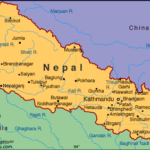
Nepal has launched a National Campaign on Social Security for Informal Workers and the Self-Employed, marking a major step toward extending social protection to millions of workers outside formal safety nets. The initiative aims to provide access to social security throughout the life cycle, promoting equity, economic resilience, and inclusive development. The scale of the… [Read More]
$8.7 Million Federal Education Innovation and Research Grant Awarded to Delaware Department of Education
The Delaware Department of Education (DDOE) has been awarded $8.7 million through the U.S. Department of Education’s Education Innovation and Research (EIR) program, a competitive federal initiative that funds evidence-based solutions to persistent educational challenges. This award is part of a $256 million national investment supporting 24 new EIR projects in Fiscal Year 2025, including… [Read More]
From Crisis to Recovery: Advancing Stability and Peace in Syria
During a visit to seven of Syria’s fourteen governorates last October, Syrians expressed that their greatest needs were access to health services, education, housing, and employment. After over a decade of conflict, approximately 7.4 million people remain internally displaced, and 1.2 million refugees who have returned lack the means to sustain livelihoods. Support from the… [Read More]
UNDP and Swiss Insurers Collaborate to Enhance Local Resilience
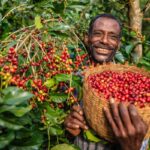
The climate crisis is intensifying, and its impacts are disproportionately borne by communities in the Global South, who are the most vulnerable yet least responsible for climate change. For the United Nations Development Programme (UNDP), the focus is not on whether disasters will occur, but on how to help these communities recover quickly and build… [Read More]
Youth Empowerment in Review: Major Lessons and Insights from the Year
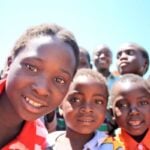
As the year concludes, one thing is evident: youth empowerment is a practice, not just a concept. Across East Africa, young people have demonstrated the possibilities that emerge when opportunity meets preparation, education is paired with action, and communities invest in their own future. Through Asante Africa Foundation’s programs, 2025 has offered valuable lessons on… [Read More]
OECMs and the One Health Approach: Advancing the Global Biodiversity Framework

As countries work to implement the Global Biodiversity Framework (GBF), increasing attention is being paid to how area-based conservation can support biodiversity while also benefiting human and animal health. The 1Health4Nature webinar, Beyond Protected Areas: understanding the role of Other Effective Area-Based Conservation Measures (OECMs), held on 9 December 2025, explored how OECMs can complement… [Read More]
Year Ahead 2026: Five Deadly Diseases Threatening Children’s Health

In 2026, five deadly diseases—cholera, measles, malaria, tuberculosis, and diarrhoea—pose a major threat to children, as aid cuts, climate change, and conflict converge to reverse years of progress, according to Save the Children. Global health funding for low- and middle-income countries fell by at least 20% in 2025, hitting sub-Saharan Africa hardest. Health systems in… [Read More]
Stronger Together: Key Milestones and Achievements That Shaped 2025
Looking back on 2025, the year presented both remarkable achievements and significant challenges for global health. Despite major funding cuts and increasing threats to science and solidarity, WHO continued to lead global efforts, advocating for evidence-based health policies, pandemic preparedness, and expanded access to life-saving medicines. Governments advanced major initiatives, including the adoption of the… [Read More]
UN Warns of Widespread Pressure on Civilians Ahead of Myanmar Elections

The UN High Commissioner for Human Rights, Volker Türk, has warned that Myanmar’s upcoming military-controlled elections are being conducted amid heightened violence, intimidation, and arbitrary arrests, leaving no room for free or meaningful participation. He highlighted that the current environment suppresses fundamental rights, including freedom of expression, association, and peaceful assembly. The first phase of… [Read More]
WHO South-East Asia Region: 2024 Overview of Influenza Preparedness and Response Activities
In 2024, Member States in the WHO South-East Asia Region (SEAR) continued implementing influenza preparedness measures in alignment with the WHO Global Influenza Strategy (2019–2030) and the Pandemic Influenza Preparedness (PIP) framework, in accordance with the International Health Regulations (2005). WHO’s efforts focused on achieving two key outcomes: ensuring the availability of improved global tools… [Read More]
Suicide Awareness: How Media Engagement Can Change the Narrative

The Ministry of Health and Social Services in Namibia reported that 1,474 Namibians have lost their lives to suicide over the past three years, highlighting the urgent need for responsible media reporting on the issue. This engagement with media houses was prompted by concerns over a possible suicide contagion following coverage of suicides by influential… [Read More]
WFP Expands Assistance to Displaced Communities in Eastern DRC Amid Funding Shortfalls
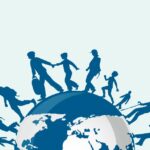
The United Nations World Food Programme is scaling up life-saving assistance for people displaced by escalating violence in eastern Democratic Republic of the Congo, with more than 210,000 of the most vulnerable individuals targeted for immediate support. Although some food supplies have already been pre-positioned in affected areas, WFP has warned that additional funding is… [Read More]
€16.4 Million Boost for Diaspora Projects Announced by Ministers McEntee and Richmond

Minister for Foreign Affairs and Trade Helen McEntee TD and Minister of State for International Development and Diaspora Neale Richmond TD have announced the allocation of €16.4 million in Emigrant Support Programme funding to more than 530 projects worldwide in 2025. The funding reinforces the Government’s commitment to strengthening connections with Irish citizens and communities… [Read More]
Minister for Mental Health Highlights Christmas Mental Health Supports and Services

Minister for Mental Health Mary Butler T.D. has reminded the public that mental health support is available throughout the Christmas period, acknowledging that the festive season can be particularly challenging for many people. Pressures related to family expectations, financial strain, grief, and emotional stress can have a significant impact on mental wellbeing, making it especially… [Read More]
Innovations Bringing Safe Water to 1.9 Million People Worldwide

In 2021, the Safe Water initiative set out to provide professional, sustainable, affordable, and safe water services to 1 million people in low-income households, health facilities, and schools across sub-Saharan Africa. By 2025, the program not only met its goal but surpassed it, reaching 1.95 million people across rural communities in Ethiopia, Ghana, and Uganda…. [Read More]


