
The United Nations World Food Programme (WFP) has received a generous contribution of DKK 15 million (approximately USD 2.3 million) from the Government of Denmark to provide vital food assistance to nearly 80,000 newly arrived refugees in Uganda. The funding will be used to deliver cash transfers over three months, enabling families to purchase food,… [Read More]
WHO
ADB Approves $32 Million to Boost Mongolia’s Disaster Preparedness Through Technology and Innovation
The Asian Development Bank (ADB) has approved a $32 million financing package to help Mongolia strengthen disaster preparedness and build climate resilience by modernizing its disaster early warning systems. The initiative will enhance the country’s capacity to respond effectively to natural hazards such as floods, storms, wildfires, earthquakes, and dzud—a severe winter condition that causes… [Read More]
Racialized Migrant Workers in France Face Rights Violations Amid Dysfunctional Permit System

The French short-term residence permit system systematically violates the human rights of racialized migrant workers, leaving them trapped in precarious, exploitative, and abusive conditions. Amnesty International’s research highlights that this system exposes migrant workers, particularly women, to labor exploitation, homelessness, poverty, and various forms of discrimination. The administrative structure of these permits, intended to allow… [Read More]
Ongoing Conflict in Sudan Hinders Advancements in Abyei Peace Negotiations

Relations between Sudan and South Sudan remain strained as the ongoing war in Sudan continues to obstruct progress toward resolving the status of Abyei, a disputed oil-rich border region. The conflict between Sudan’s national army and the Rapid Support Forces (RSF), which began in April 2023, has severely affected regional stability and hampered peace efforts…. [Read More]
WHO Highlights Financial Strain of Health Costs on Low-Income Families in Greece

A new World Health Organization (WHO) study reveals that out-of-pocket payments are causing catastrophic health spending for nearly 10% of households in Greece. Families facing such financial strain often struggle to afford basic necessities like food, housing, and utilities. The report highlights that the burden of these expenses is disproportionately concentrated among the poorest fifth… [Read More]
EU Marks 20 Years of Tobacco Control: How Close Are We to a Tobacco-Free Generation?

Twenty years after the European Union (EU) ratified the WHO Framework Convention on Tobacco Control (WHO FCTC), a new WHO/Europe report highlights both notable progress and persistent challenges in curbing tobacco use. While the EU has made significant strides in implementing strong tobacco control policies, tobacco consumption still claims over half a million lives annually…. [Read More]
20 Years of the Pan-European Protocol on Water and Health: Advancing Resilience in a Changing World
The pan-European region, which includes the 53 Member States of the WHO European Region and Liechtenstein, is placing resilience at the heart of its water, sanitation, and hygiene (WASH) agenda in response to intensifying global challenges such as climate change, conflict, and evolving disease patterns. As the Protocol on Water and Health marks its 20th… [Read More]
PAHO Promotes Digital Tools to Improve Vaccination Tracking in Areas with Limited Connectivity

The Pan American Health Organization (PAHO), in collaboration with Peru’s Ministry of Health, has developed a new digital tool to strengthen vaccination data management in areas with limited internet access. The Offline Immunization Digital Application, known as “Vacuna Offline”, allows health workers to record vaccination data directly at the point of care, even without internet… [Read More]
Jamaica: PAHO/WHO Appeals for Urgent Donor Aid Following Hurricane Melissa’s Destruction
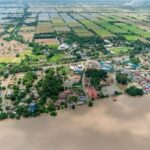
Hurricane Melissa has caused catastrophic damage across the Caribbean, leaving Jamaica, Cuba, Haiti, and the Dominican Republic reeling from its impact. In response, the Pan American Health Organization/World Health Organization (PAHO/WHO) has issued a donor alert calling for urgent international support to mobilize critical resources for the ongoing health response. The alert details the most… [Read More]
Hope and Healing: Youngest Ebola Patient Recovers in the Democratic Republic of the Congo
Ebola virus disease remains a life-threatening illness that, despite medical advances, continues to devastate families and communities when detected late. The Democratic Republic of the Congo (DRC) is currently facing its sixteenth Ebola outbreak in Bulape Health Zone, Kasai Province. Following the discharge of the last patient on 19 October 2025, authorities have begun the… [Read More]
Ukraine’s Universities Embrace Digital Transformation and Emerging Technologies
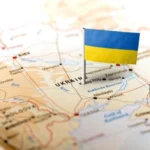
At I.I. Mechnikov Odesa National University in Ukraine, master’s student Anna Brodarska is working with a newly commissioned liquid chromatograph—an advanced scientific instrument that will play a central role in her future PhD research on chromatography. The new equipment represents a major leap in technical modernization for the university, benefiting both chemistry and biology students…. [Read More]
WFP Receives Chinese Support to Assist Communities Facing Severe Drought in Zambia

The United Nations World Food Programme (WFP) has received a contribution from the Government of the People’s Republic of China to locally procure over 5,600 metric tonnes of maize to provide food assistance to drought-affected communities in Zambia. Through China’s Global Development and South-South Cooperation Fund, the support will enable WFP to purchase maize from… [Read More]
Stepwise Agribusiness Programme Transforms Mozambique’s Smallholder Farmers into Agripreneurs
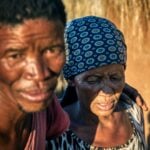
Johannesburg, South Africa: The Food and Agriculture Organization of the United Nations (FAO), in collaboration with the Government of Mozambique and the European Union, is helping smallholder farmers transition from subsistence farming to inclusive agribusiness through the PROMOVE Agribiz programme. Implemented in Nampula and Zambézia provinces, the initiative strengthens rural resilience and food security by… [Read More]
Nature-Based Horticulture in Eswatini Enhances Climate Resilience and Supports Rural Communities

The Food and Agriculture Organization of the United Nations (FAO), in partnership with the Government of Eswatini and the National Agricultural Marketing Board (NAMBOARD), is supporting smallholder farmers to adopt climate-smart horticulture solutions that improve food security, strengthen resilience, and create economic opportunities in rural communities. The initiative equips farmers with protected cultivation technologies, including… [Read More]
Climate-Smart Practices Transform Small-Scale Fisheries in Namibia

Namibia is advancing climate-smart and inclusive development in small-scale fisheries through innovative post-harvest practices that empower coastal and riverine communities. Under FAO’s Small-Scale Fisheries Guidelines Phase 2, the country is enhancing value addition, promoting gender equality, and strengthening adaptive governance to build resilient, equitable food systems while improving livelihoods across its fishing communities. This approach… [Read More]
WHO and Bayer AG Strengthen Collaboration to Eliminate Key Neglected Tropical Diseases
The World Health Organization (WHO) and Bayer AG have renewed their longstanding collaboration to support endemic countries in scaling up free-of-charge treatment for three deadly neglected tropical diseases (NTDs). This renewed partnership, spanning 2025 to 2030, continues Bayer’s contributions of quality-assured medicines and financial support for global programs targeting Chagas disease, human African trypanosomiasis (sleeping… [Read More]
New HPV Vaccination Drive in Angola Aims to Prevent Cervical Cancer in Girls

Angola has launched one of the largest public health campaigns in its history, focusing on vaccination against Human Papillomavirus (HPV), the main cause of cervical cancer. The campaign aims to protect more than two million girls aged 9 to 12 across the country between October 27 and November 7. Cervical cancer is a leading cause… [Read More]
New Child Maltreatment Clinical Guidelines Launched in Namibia
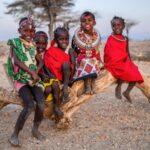
Violence against children in Namibia remains alarmingly high, despite the government’s ongoing commitment to eradicating it. The 2019 Namibia Violence Against Children and Youth Survey revealed that nearly 40% of girls and 45% of boys experienced physical, sexual, or emotional abuse during childhood, with physical violence being the most prevalent. Before turning 18, 32.9% of… [Read More]
World Bank to Support Nigeria’s ACE Project with $150 Million Funding Request

The Nigerian government has launched a new initiative to secure $150 million in development funding from the World Bank to implement the Africa Centres of Excellence (ACE) Innovate Project, aimed at strengthening research, innovation, and postgraduate education in the country’s universities. The proposed fund marks the next phase of the World Bank-supported ACE programme, which… [Read More]
Syria Faces Uncertain Future as Severe Funding Gaps Deepen Crisis
Nearly a year after Syria’s devastating civil war ended with the fall of the Assad regime and the rise of President Ahmad Al-Sharaa, the country remains in a state of deep humanitarian distress. As thousands of Syrians return home, they are met with a nation crippled by widespread shortages of medicine, power, equipment, and foreign… [Read More]
Conflict and Access Restrictions Drive Rising Hunger and Malnutrition in South Sudan
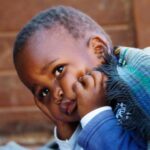
The United Nations has warned that South Sudan is facing a worsening food and nutrition crisis that could escalate further without urgent humanitarian intervention. According to the latest Integrated Food Security Phase Classification (IPC) report, over half of the population—approximately 7.56 million people—are projected to experience crisis or worse levels of hunger during the 2026… [Read More]
Sudan Faces Famine in El Fasher and Kadugli, While Hunger Eases in Peaceful Areas
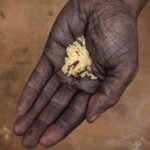
The Food and Agriculture Organization (FAO), the World Food Programme (WFP), and UNICEF have warned that famine conditions have been confirmed in Sudan’s El Fasher and Kadugli, where conflict and siege have cut communities off from humanitarian aid and food supplies. The latest Integrated Food Security Phase Classification (IPC) report highlights stark contrasts across the… [Read More]
Ontario Announces $26.7 Million Investment to Strengthen Support for Gender-Based Violence Survivors

The Ontario government has announced an additional investment of $26.7 million over two years to expand shelter spaces and strengthen support programs for survivors of gender-based violence. The funding aims to enhance accessibility at emergency shelters across the province and improve assistance for victims navigating the family court system. This initiative is part of Ontario’s… [Read More]


