Countries and partners have reported significant progress toward the World Bank Group’s goal of delivering affordable, quality health services to 1.5 billion people by 2030, a target announced in April 2024. Building on this momentum, 15 countries have introduced National Health Compacts, which outline practical five-year reforms aimed at expanding primary health care, improving affordability,… [Read More]
WHO
Nepali Migrant Workers to Benefit as ILO Strengthens Social Protection in GCC Countries
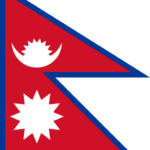
The ILO’s new STREAM Programme has begun consultations in Nepal to strengthen social protection, promote fair recruitment, and improve decent work conditions for Nepali migrant workers in GCC countries. Nepal has around 4.5 million migrants employed abroad, many of whom continue to face preventable risks such as unfair recruitment practices, unsafe working environments, and limited… [Read More]
New Federal Initiatives Aid Women with Disabilities Facing Gender-Based Violence
Since mid-November 2025, South and Southeast Asia have been severely affected by overlapping tropical storms and intensified monsoon systems, causing widespread floods and landslides across Sri Lanka, Indonesia, Thailand, Malaysia, and Viet Nam. The United Nations has been actively supporting government-led emergency operations with food, health, water, sanitation aid, medical teams, and early recovery assessments… [Read More]
Madagascar Youth Drive Hope in Tackling Antimicrobial Resistance
In Antananarivo, Lalaina Mihobintsoa, a veterinary medicine student, is raising awareness about antimicrobial resistance (AMR) in his community. As an AMR ambassador, he emphasizes simple preventive measures, such as consulting doctors before taking antibiotics, following prescriptions, and maintaining good hygiene, to protect health and prevent resistant infections. His work reflects a broader push to educate… [Read More]
A New Era for Gavi: Prioritizing Country Ownership and Aid for the Most Vulnerable
The Board of Gavi, the Vaccine Alliance, concluded its final meeting before the start of its next strategic period (2026–2030, Gavi 6.0) with a series of landmark decisions placing country ownership at the core of its operating model. Nearly 90% of the budget for vaccine procurement will be allocated directly to countries through “country vaccine… [Read More]
3rd Annual EU Media Forum Brings Together Journalists, Policymakers, and Media Experts
The Delegation of the European Union to Kazakhstan, in partnership with Maqsut Narikbayev University and with cooperation from EU Member States France, Germany, and Lithuania, successfully held the third annual Media Forum titled “The Digital Frontline: Online Presence in Times of AI and Information Manipulation.” The one-day regional event brought together over 100 participants, including… [Read More]
Global Action Tackles Online Gender-Based Violence and Promotes Safe Digital Space
In Bangkok on 27–28 November 2025, UNDP and the Korean National Police Agency (KNPA) convened the Global Policy Dialogue on Technology-Facilitated Gender-Based Violence (TFGBV) and cybersecurity, addressing the rising misuse of technology to perpetrate digital violence against women and marginalized groups. The two-day event brought together governments, law enforcement, civil society, UN partners, and private… [Read More]
How 30+ Volunteers Are Driving UNDP Knowledge Project Success in 2025

In 2025, UNDP’s Knowledge Project engaged over 30 dedicated volunteers who contributed their time, expertise, and passion to support the mission of empowering nations and individuals through knowledge. Their collective efforts further UNDP’s mandate of helping countries eliminate poverty and achieve sustainable development while promoting innovation and strengthening communities. Volunteers play a vital role in… [Read More]
From Crisis to Recovery: WFP Drives Relief and Resilience in Hurricane Melissa’s Wake
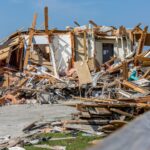
One month after Hurricane Melissa devastated the Caribbean, the United Nations World Food Programme (WFP) has reached over half a million people with emergency food assistance and is now pivoting toward long-term recovery. Working closely with governments and communities, WFP is not only providing immediate relief but also laying the groundwork for resilience through cash-based… [Read More]
Brazil’s Northeast Poised to Drive Jobs, Growth, and Clean Energy Opportunities
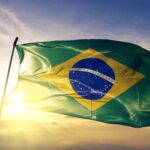
Brazil’s Northeast has the potential to become a major engine of national growth, job creation, and sustainable development, according to a new World Bank report, “Routes to the Northeast: Productivity, Jobs, and Inclusion.” Home to 54 million people—80 percent of whom are of working age—the region offers one of the country’s largest and most dynamic… [Read More]
Empowering Women and Rebuilding Communities: ILO Vocational Training Spurs Post-Earthquake Recovery in Myanmar
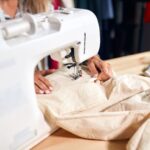
In the wake of the devastating March 2025 earthquake in Myanmar, the International Labour Organization (ILO) is equipping women with essential skills to earn incomes, rebuild livelihoods, and contribute to community recovery. Two training courses launched in late November 2025 in Southern Shan State—a two-week computer literacy course and a two-month advanced sewing techniques programme—enrolled… [Read More]
Sri Lanka Faces Worst Floods in Decades as IFRC Launches $5 Million Emergency Appeal
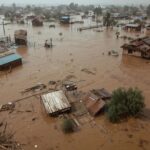
The International Federation of Red Cross and Red Crescent Societies (IFRC) has launched a CHF 5 million Emergency Appeal to support the Sri Lanka Red Cross Society (SLRCS) in responding to devastating floods and landslides caused by Cyclone Ditwah, which struck the island nation on 27 November 2025. The cyclone unleashed over 350 mm of… [Read More]
Faroe Islands Take Key Step Toward Safe and Legal Abortion

The Faroese parliament, the Lagtinget, has voted to amend the territory’s restrictive abortion law, permitting access to abortion on request up until the end of the twelfth week of pregnancy. The decision, welcomed by Amnesty International Faroe Islands, marks a significant step toward ensuring safe and legal abortion services in the region. Turið Maria, Director… [Read More]
New Malaria Tools Saved One Million Lives in 2024, But Drug Resistance Threatens Hard-Won Progress

New prevention tools against malaria—including dual-ingredient mosquito nets and WHO-recommended vaccines—helped avert an estimated 170 million cases and save 1 million lives in 2024, according to the latest World Malaria Report released by the World Health Organization (WHO). Despite these achievements, growing drug resistance and funding shortfalls threaten to reverse progress. Since WHO approved the… [Read More]
Breaking Barriers: Thai Language Classes Empower Migrant Workers to Access Rights and Services

Basic language skills are proving to be a critical lifeline for migrant workers in Thailand, offering them greater confidence, independence and access to essential services such as healthcare and labour protections. A new series of Thai language classes is helping workers overcome daily communication challenges, from speaking with supervisors to navigating medical appointments. Migrant workers—many… [Read More]
When Finance Meets Innovation: Lessons from the Joint SDG Fund
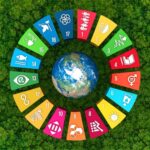
In recent years, the Joint SDG Fund set out to test a bold idea: instead of distributing grants in the traditional way, what if UN resources were used as catalytic investments to mobilize far greater levels of private and commercial capital for sustainable development? Working with various UN agencies, the Fund deployed $70 million across… [Read More]
AfDB Approves $19.7 Million Grant to Boost Urban Resilience for Displaced Communities in Somalia
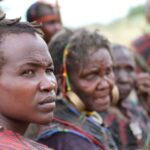
The African Development Fund (ADF) has approved a $19.7 million grant to improve living conditions for 20,000 vulnerable households and support the local integration of over 128,000 internally displaced people (IDPs) in Doolow, one of Somalia’s most fragile border towns. The funding, part of the Transition Support Facility for Somalia’s Strengthening Urban Resilience Project, will… [Read More]
Sudan’s Civilians Struggle Amid Siege Conditions as Aid Falls Short
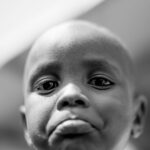
Civilians across Sudan’s Kordofan region are enduring extreme hardship as conflict escalates, the UN Office for the Coordination of Humanitarian Affairs (OCHA) warned on Wednesday. Communities in Dilling and Kadugli in South Kordofan are effectively trapped in “siege conditions,” while sustained attacks in West Kordofan further threaten safety, UNICEF reports. The situation remains dire in… [Read More]
Philippines Turns the Tide on Typhoon Losses with Anticipatory Action
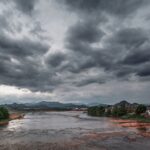
Every typhoon season in the Philippines brings a familiar cycle of devastation: flattened fields, destroyed boats, disrupted markets, and families forced into years of recovery. But amid this recurring pattern, a quiet yet transformative policy shift is taking hold. The Philippines is moving beyond reactive disaster response, embracing a governance model that acts before disaster… [Read More]
Africa Charts a Bold 10-Year Path to Affordable, Quality Medicines

African leaders and global partners have unveiled a bold 10-year regional vision to transform how essential health products are financed, produced, and delivered, aiming to ensure that everyone in the African Region can access affordable, quality-assured medicines and health technologies. The vision emerged from the Blue-Sky Visioning and Think Tank Workshop held in Johannesburg from… [Read More]
Mauritius Strengthens Health Security with WHO-Led Evaluation

Mauritius has taken a decisive step to safeguard public health by undertaking its second Joint External Evaluation (JEE) of International Health Regulation (IHR) capacities in November 2025, with support from the World Health Organization (WHO). By voluntarily engaging in this evaluation, the country has demonstrated leadership, foresight, and commitment to ensuring the health and safety… [Read More]
Congo Leads Africa with First Antimicrobial Resistance Simulation Exercise
Health officials from the Republic of the Congo, together with World Health Organization (WHO) experts, have conducted Africa’s first simulation exercise on antimicrobial resistance (AMR), providing a practical, hands-on experience for assessing how countries detect, report, and respond to drug-resistant infections. The exercise placed participants from human and animal health sectors in a realistic outbreak… [Read More]
Bridging the Gap: WHO/Europe Highlights Proven Practices for Disability-Inclusive Health
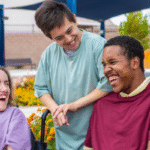
On this year’s International Day of Persons with Disabilities (3 December), WHO/Europe launched a new resource showcasing real-world strategies to advance disability-inclusive health across the Region. The report, “Good practices on disability-inclusive health”, highlights how countries are working to close persistent health gaps affecting over 135 million people with disabilities in Europe and Central Asia…. [Read More]


