
The International Water Management Institute (IWMI) and the Nile Basin Initiative (NBI) have launched plans to develop a pioneering digital twin for the Nile Basin, marking a major step toward improving water management, forecasting, and regional cooperation across one of Africa’s most important river systems. The initiative was advanced during a three-day consultative workshop held… [Read More]
Professional Elder Care Emerges as a Growing Employment Sector in Ecuador

Ecuador is taking significant steps to professionalize elder care through a comprehensive training and labor certification program designed to prepare caregivers for formal employment while addressing the growing demand for long-term care services. The initiative, supported by the Inter-American Development Bank (IDB), Ecuador’s Ministry of Labor, and the Public Enterprise of the Eloy Alfaro Lay… [Read More]
Global Refugee Numbers Decline for First Time in a Decade, UNHCR Reports

Global forced displacement has fallen for the first time in more than a decade, according to a new report from the United Nations refugee agency. Despite the decline, millions of people remain displaced worldwide, with many facing years of uncertainty and limited opportunities to rebuild their lives. The latest Global Trends Report from the UN… [Read More]
UN Rights Chief Calls for Rethink of US Immigration Policies Ahead of 2026 World Cup

The United Nations High Commissioner for Human Rights, Volker Türk, has urged the United States to undertake a major review of its immigration and security policies ahead of the 2026 FIFA World Cup, warning that current practices could overshadow one of the world’s largest sporting events. Speaking to journalists on June 10, Türk expressed concern… [Read More]
Women’s Economic Participation and Fiscal Reform Key to The Gambia’s Future Growth, Says World Bank

The World Bank Group has released two major reports examining The Gambia’s economic performance, fiscal outlook, and development priorities. The reports emphasize that strengthening public finances and increasing women’s participation in the economy are critical to sustaining economic growth, creating jobs, and improving living standards for the country’s rapidly growing population. Together, the studies provide… [Read More]
Building Decarbonization Gains Momentum as Cities Seek Lower Energy Costs and Cleaner Air

Building decarbonization is receiving increased attention as communities look for ways to reduce greenhouse gas emissions, lower energy costs, and improve public health. According to Alex Dews, CEO of the Institute for Market Transformation, investing in building energy efficiency delivers significant returns while helping address some of the most pressing environmental and economic challenges facing… [Read More]
Innovative Finance to Strengthen Energy Sustainability in the Kyrgyz Republic
The World Bank Group has approved the Innovative Finance for Resilient and Sustainable Energy Transition Project (iFIRST) for the Kyrgyz Republic, a landmark initiative designed to improve energy efficiency, strengthen energy sector reforms, and reduce greenhouse gas emissions. The project introduces an innovative financing approach that links financial support to measurable environmental and policy outcomes,… [Read More]
Building Resilient Cities: South Sudan’s Urban Future Takes Center Stag

The World Bank Group, in collaboration with the Government of South Sudan, has launched the South Sudan Urbanization Review: Cities as Anchors of Recovery and Resilience, highlighting the critical role that urbanization can play in supporting the country’s recovery, economic development, and long-term resilience. The report calls for coordinated action and strategic investments to ensure… [Read More]
$5 Million World Bank Support Boosts Solomon Islands Disaster Recovery and Resilience
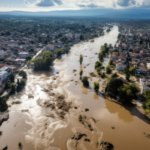
The World Bank has approved and released US$5 million in financing to assist the Solomon Islands in its ongoing response and recovery efforts following the devastating impact of Tropical Cyclone Maila. The funding was provided after the Government of Solomon Islands formally requested assistance and declared a State of Disaster in April 2026. The financial… [Read More]
West Africa Accelerates Tax Reform with Digital VAT Systems and Regional Cooperation

The African Development Bank Group convened a regional seminar in Abidjan, Côte d’Ivoire, to advance discussions on Value Added Tax (VAT) digitalization and its role in strengthening domestic resource mobilization across West Africa. Supported by the Government of Japan through the Policy and Human Resource Development Grant, the event brought together more than 230 participants… [Read More]
PAHO Highlights Fleming Fund Impact on AMR Surveillance and Laboratory Systems

The Caribbean region has achieved significant progress in combating antimicrobial resistance (AMR) through the support of the Fleming Fund, demonstrating the value of regional collaboration, laboratory strengthening, and workforce development. Over the past year, participating countries have enhanced their ability to generate reliable AMR data, improving both clinical decision-making and national surveillance systems. These advancements… [Read More]
Belize Strengthens Sepsis Care Pathways to Combat Antimicrobial Resistance

Belize has taken significant steps to strengthen its healthcare system’s response to sepsis through a National Workshop on Sepsis Care Pathways Implementation, held in April 2026. The initiative was supported by the Pan American Health Organization (PAHO/WHO) and the Society of Critical Care Medicine (SCCM) as part of broader regional efforts to improve sepsis management… [Read More]
Puerto Rico Enhances Critical Care Training to Improve Severe Dengue Treatment

Puerto Rico has taken important steps to strengthen its healthcare system’s ability to manage severe dengue cases by enhancing the technical capacity of healthcare professionals working in intensive care units. The initiative was carried out through collaboration between the Pan American Health Organization (PAHO), the Puerto Rico Department of Health, and the U.S. Centers for… [Read More]
U.S. Economic Development Administration Offers Disaster Recovery Grants for Local Communitie

The U.S. Economic Development Administration (EDA) has opened applications for its Disaster Supplemental Funding program, designed to support long-term economic recovery in regions affected by natural disasters such as hurricanes, wildfires, tornadoes, and floods that occurred during 2023 and 2024. The program focuses on helping impacted communities rebuild and strengthen their local economies through targeted… [Read More]
£1.9 Million NRS Grant Program Strengthens Communities Near Nuclear Decommissioning Sites
Nuclear Restoration Services (NRS), part of the Nuclear Decommissioning Authority group, has announced significant socio-economic funding support for communities across the United Kingdom. In the 2025–26 funding cycle, nearly £2 million—totalling £1,979,721—was invested in local initiatives aimed at improving social, economic, and environmental wellbeing near 14 nuclear decommissioning sites. The funding supported 129 community projects… [Read More]
$276,500 Available for Youth-Focused Community Projects in Newfoundland and Labrador

The Government of Newfoundland and Labrador has announced that applications are now open for the 2026–27 Grants to Youth Organizations program, aimed at strengthening youth development and community engagement across the province. The initiative is led by the Department of Social Supports and Well-Being under Minister Joedy Wall. The program provides a total of $276,500… [Read More]
Regional Youth Sporting Events Program Receives $400,275 Investment for 2026–2027

The Government of the Northwest Territories (GNWT) has announced a total investment of $400,275 through its Regional Youth Sporting Events (RYSE) Program for the 2026–2027 funding cycle. The initiative is designed to strengthen youth participation in sports and recreation activities across communities throughout the territory, with a focus on improving access, encouraging healthy lifestyles, and… [Read More]
$40,000 Community Development Fund Now Open for Wellington North Organizations
The Township of Wellington North has opened applications for its 2027 Community Development Fund, offering approximately $40,000 in financial support for local organizations and community-led initiatives. The funding aims to encourage community development projects, events, programs, and activities that directly benefit residents across the township. The fund is designed to support initiatives that address local… [Read More]
Pennsylvania DCED Emphasizes Innovation Economy Growth at AlphaLab Health Tour

The Shapiro Administration has emphasized the importance of continued investment in Pennsylvania’s innovation economy during a visit to AlphaLab Health in Pittsburgh. The initiative is part of Governor Josh Shapiro’s proposed 2026–27 state budget, which focuses on expanding funding for key sectors including life sciences, robotics, technology, energy, manufacturing, and agriculture to strengthen long-term economic… [Read More]
Rotary Charities Expands Community Investment with Spring 2026 Grant Awards in Michigan

Rotary Charities of Traverse City has announced its Spring 2026 grant awards, distributing a total of $444,000 to seven nonprofit organizations and public partners across Northwest Michigan. The funding is aimed at strengthening community infrastructure, expanding access to essential services, and supporting long-term regional development efforts across Antrim, Benzie, Grand Traverse, Kalkaska, and Leelanau counties…. [Read More]
Active Thames Supports 28 Community Projects with New Long-Term Investment Plan
Active Thames, the community sport and wellbeing programme led by the Port of London Authority (PLA), has announced a major expansion of its funding model to support long-term community development along the River Thames. The programme has awarded over £210,000 to 28 community projects across London, Kent, and Essex, marking a significant increase in investment… [Read More]
$78 Million DEC Grant Program Targets Water Pollution, Algal Blooms, and Climate Resilience in New York
The New York State Department of Environmental Conservation (DEC) has announced more than $78 million in grant funding aimed at strengthening water quality protection and improving environmental infrastructure across the state. The funding is being made available through competitive programs designed to support municipalities in upgrading water systems, reducing pollution, and enhancing resilience against climate-related… [Read More]
FY2027 Appropriations Bill Includes $15 Million for Milner Dam Restoration
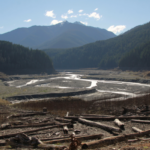
U.S. Representative Mike Simpson has highlighted the inclusion of $15 million in federal funding for the Milner Dam Rehabilitation Project in south-central Idaho. The funding was secured through the Community Project Funding (CPF) program and incorporated into the Fiscal Year 2027 Transportation, Housing and Urban Development, and Related Agencies Appropriations Bill. The project aims to… [Read More]


