
Cameroon generated CFA15.1 billion in transit fee revenue from the transportation of Chadian crude oil between January and May 2026, highlighting the continued importance of the Chad-Cameroon pipeline to the country’s public finances. Data reviewed by Business in Cameroon shows that monthly revenues remained steady during the period, with CFA2.94 billion collected in January, CFA3.52… [Read More]
Sub-Saharan Africa Becomes France’s Top Agricultural Export Market in 2025
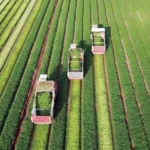
Sub-Saharan Africa has overtaken North Africa as the largest African destination for French agricultural exports in 2025, marking a major shift in France’s agricultural trade patterns across the continent. According to a report from the French Ministry of Agriculture and FranceAgriMer, countries in Sub-Saharan Africa imported €2.2 billion ($2.5 billion) worth of French agricultural and… [Read More]
Ghana Keeps Cocoa Farmgate Price at $3,728 to Support Farmers

Ghana has decided to maintain its cocoa farmgate price for the 2025/26 mid-crop season, aiming to support farmers and protect the country’s cocoa sector amid falling global market prices. The Ghana Cocoa Board (Cocobod) announced that cocoa producers will continue receiving 41,392 cedis, equivalent to about $3,728 per tonne, when the mid-crop season begins on… [Read More]
Kenya Connects Konza Smart City to National Grid With New 400 kV Power Line
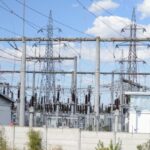
Kenya has strengthened its technology and infrastructure ambitions with the completion of a new 400 kV transmission line and substation connecting Konza Technopolis to the national electricity grid. The project is expected to improve power reliability and support economic growth in southeastern Kenya. The Kenya Electricity Transmission Company (KETRACO) has energized the Isinya–Konza transmission line… [Read More]
Burkina Faso Aligns Research Priorities With Development and Skills Needs

Burkina Faso is reshaping its national research strategy to better address economic and social challenges by identifying priority areas where scientific work can support development, innovation, and job creation. The government has identified 207 priority research topics aimed at improving the connection between universities, research institutions, businesses, and community needs. The initiative seeks to ensure… [Read More]
New Women’s Center in Aného to Support Economic Empowerment and Skills Development

A new Women’s Center is being developed in Aného, Togo, to strengthen women’s economic opportunities through training, entrepreneurship support, and access to resources. The facility is expected to help women build sustainable livelihoods and increase their participation in the local economy. Construction of the center began in Glidji through a 70 million CFA franc financing… [Read More]
Scientists Explore Nanomaterials to Treat Chronic Wounds and Fight Antibiotic Resistance

Researchers are developing a new approach to treating difficult-to-heal wounds using light-activated nanomaterials that could help fight infections and improve recovery. The technology may offer a promising alternative for patients with chronic wounds linked to diabetes, severe burns, and antibiotic-resistant bacteria. Slow-healing wounds often create the ideal environment for bacterial biofilms, protective layers that allow… [Read More]
WHO and Brazil Call for Final Push to Complete Global Pandemic Agreement

The World Health Organization (WHO) and Brazil are urging global leaders to finalize a major international agreement designed to strengthen preparedness and cooperation against future pandemics. In a joint appeal, Brazilian President Luiz Inácio Lula da Silva and WHO Director-General Tedros Adhanom Ghebreyesus highlighted the urgent need for countries to prevent a repeat of the… [Read More]
WHO Praises Uganda’s Ebola Response and Calls for Continued Regional Cooperation
The World Health Organization (WHO) has praised Uganda’s response to an Ebola outbreak linked to cases in the neighbouring Democratic Republic of Congo (DRC), while warning that continued vigilance and cross-border cooperation are essential to prevent further spread. The outbreak, confirmed in both Uganda and the DRC in May 2026, involves the Bundibugyo species of… [Read More]
EBRD Provides €57 Million Financing to Modernise Romania’s Energy Network

The European Bank for Reconstruction and Development (EBRD) is supporting Romania’s energy security with a RON 300 million financing package for Delgaz Grid SA, aimed at upgrading and modernising the electricity distribution network in north-eastern Romania. The loan, valued at approximately €57 million, will help finance Delgaz Grid’s 2026–2030 investment programme focused on improving energy… [Read More]
Global Leaders Gather in Bilbao to Mobilize $340 Million for Sustainable Development Goals

Nearly 200 global leaders have gathered in Bilbao for the second Bilbao Bootcamp, an international initiative focused on turning local development priorities into investment-ready projects that support the Sustainable Development Goals (SDGs). Held from June 9 to 11 at the University of Deusto, the event brings together representatives from governments, development finance institutions, investors, philanthropic… [Read More]
WHO and Brazil Call on Leaders to Finalise Global Pandemic Agreement
The World Health Organization (WHO) and Brazil are urging global leaders to complete a landmark international agreement designed to strengthen the world’s ability to prevent and respond to future pandemics. In a joint appeal, Brazilian President Luiz Inácio Lula da Silva and WHO Director-General Tedros Adhanom Ghebreyesus highlighted the need for countries to avoid repeating… [Read More]
Moldova Joins Global FAO Agreement to Combat Illegal Fishing
The Republic of Moldova has joined a major international agreement aimed at fighting illegal, unreported, and unregulated fishing, strengthening global efforts to protect aquatic resources and promote responsible trade. Moldova has officially become a party to the Agreement on Port State Measures to Prevent, Deter and Eliminate Illegal, Unreported and Unregulated Fishing, known as the… [Read More]
Uncertainty Grows Over US Role in Ebola Response Amid Funding Concerns
Questions are increasing over the United States’ role in the ongoing Ebola response as health organizations and affected countries seek clarity on funding commitments and international coordination. The United States has stated that it has allocated more than $270 million for the Ebola Bundibugyo outbreak response, but response leaders say they remain unclear about how… [Read More]
New Zealand Invests in Recycling Project to Divert Concrete Waste From Landfill
Thousands of tonnes of concrete waste from construction and demolition projects will be diverted from landfill each year following new funding support from New Zealand’s Waste Minimisation Fund. The investment aims to increase recycling and promote more sustainable waste management practices across the country. National waste concrete processor Envirocon has received nearly $700,000 to expand… [Read More]
Human Rights Watch Warns Against Renewed Anti-LGBT Proposals in Türkiye

Human Rights Watch has raised concerns over renewed legal proposals in Türkiye that could increase restrictions and criminal penalties targeting LGBT people. The organization is calling on the government to withdraw the proposed amendments, warning that they could violate fundamental human rights protections. Reports from Turkish media indicate that the government has circulated proposed legal… [Read More]
New Zealand Funds Investigation Into Historic Mine Impacts in Marlborough Sounds
The New Zealand Government has announced funding to investigate the environmental impacts of a historic mine site located on conservation land in the Marlborough Sounds. The project aims to assess risks from the former Endeavour Inlet antimony mine and develop plans for possible remediation. The site was mined for antimony between the 1870s and early… [Read More]
Domestic Workers in Thailand Deserve Stronger Rights and Decent Work Protection

Fifteen years after the adoption of the Domestic Workers Convention, Thailand has made important progress in improving labour rights and protections for domestic workers. However, further action is needed to ensure that all domestic workers receive fair treatment, security, and access to decent work. Domestic workers across Thailand, including both Thai nationals and migrant workers,… [Read More]
Action Against Hunger Calls for New Investigation 20 Years After Muttur Massacre

Twenty years after the killing of 17 humanitarian workers in Muttur, Sri Lanka, Action Against Hunger has renewed its call for a new investigation and justice for the victims. The organization is urging authorities to address the long-standing lack of accountability surrounding one of the deadliest attacks against humanitarian workers. On August 4, 2006, seventeen… [Read More]
UNFPA Donates 1,800 Blood Pressure Monitors to Strengthen Emergency Medical Services in Moldova
The United Nations Population Fund (UNFPA) has donated 1,800 manual blood pressure monitors to the National Centre for Pre-Hospital Emergency Medical Care (CNAMUP) in the Republic of Moldova, reinforcing the country’s emergency healthcare system and improving patient care nationwide. Valued at MDL 356,000, the donation will equip pre-hospital emergency medical teams across Moldova with essential… [Read More]
Egypt and EU Launch €690 Million Clean Energy Grid Investment to Boost Renewable Power Integration

Egypt and the European Union have announced a major €690 million investment package aimed at modernising and expanding the country’s electricity transmission network. The initiative combines a €600 million loan from EIB Global, the development arm of the European Investment Bank (EIB), with up to €90 million in grants from the European Commission. The project,… [Read More]
Madagascar Inaugurates Strategic RN13 Highway to Boost Development in the South

The Government of Madagascar officially inaugurated the modernized RN13 National Road on June 12 and 13, 2026, marking a significant milestone in the country’s infrastructure development efforts. The strategic highway connects Ambovombe and Tolagnaro, improving connectivity across the southern regions of Androy and Anosy while supporting economic growth and regional integration. The RN13 modernization is… [Read More]
UNIDIR Fellowship Promotes Women’s Leadership in AI, Security, and Ethics

UNIDIR’s Women in AI Fellowship brought together 33 women diplomats from 32 countries and one regional organization for a week-long training programme at the United Nations Office in Geneva from 8 to 12 June. The fellowship aimed to strengthen women’s participation in shaping global discussions on artificial intelligence, particularly in areas linked to international peace,… [Read More]


