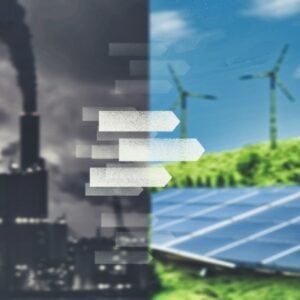
The Philippines faces persistent energy challenges, including high electricity costs, reliance on imported fuels, and vulnerability to climate-related disruptions. In response, the United Nations is working closely with the government and local communities to build a more secure, affordable, and inclusive energy system. These efforts aim to reduce dependency on fossil fuels while strengthening resilience against economic and environmental shocks.
Efforts to transform the transport sector are being led by United Nations Industrial Development Organization, which supports the development of electric vehicle strategies, energy planning, and charging infrastructure. At the same time, UN Women promotes gender-inclusive transport systems to ensure accessibility and safety, helping increase adoption of low-carbon mobility solutions.
Renewable energy development is another major focus, with United Nations Office for Project Services supporting offshore wind planning and regulatory frameworks that could significantly expand electricity capacity. Meanwhile, United Nations Development Programme and partners are modernizing power systems through smart grids, improved regulations, and digital technologies, enhancing grid stability and reducing exposure to fuel price volatility.
Efforts to improve energy efficiency extend to industries and public services, where World Health Organization promotes green healthcare facilities and International Labour Organization encourages sustainable business practices. These initiatives not only reduce environmental impact but also support job creation and better working conditions, contributing to a more inclusive transition to a low-carbon economy.
In remote and disaster-prone areas, UN-Habitat is supporting solar-powered, climate-resilient housing, improving energy access for vulnerable communities. These solutions reduce dependence on unreliable grid connections and serve as scalable models for sustainable housing development across the country.
The transition to clean energy is also being linked to workforce development, with International Labour Organization supporting skills training and apprenticeships aligned with renewable energy sectors. At the same time, UN Women and United Nations Environment Programme are helping women access green jobs, ensuring that the benefits of the energy transition are shared more equitably.
Energy resilience in food systems is being strengthened through initiatives led by Food and Agriculture Organization and World Food Programme. These include solar-powered facilities, local food production systems, and climate-resilient agricultural practices that reduce energy use while improving livelihoods and food security.
To address inefficiencies in supply chains, Food and Agriculture Organization and United Nations Industrial Development Organization are working to modernize cold storage systems and reduce energy waste. These improvements help stabilize food supply chains, lower emissions, and reduce pressure on the national grid.
Finally, social protection systems are being strengthened by UNICEF to help households cope with energy and climate shocks. By providing timely financial support during crises, these programs protect vulnerable families and ensure continued access to essential services, contributing to a more resilient and inclusive energy future.