Amnesty International’s latest report on The State of the World’s Human Rights highlights a deepening global crisis in 2025, warning that multilateralism, international law, and civil society are under unprecedented attack. According to the report, powerful states, corporations, and anti-rights movements are driving a shift toward an unequal, authoritarian, and exclusionary global order. Amnesty argues that this is no longer a gradual erosion of human rights but a direct assault on the foundations of the international rules-based system.
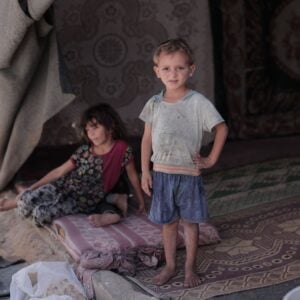
The organization reports widespread violations of international law and escalating global conflicts that have intensified civilian suffering. Situations in Gaza, Ukraine, Sudan, Myanmar, and the Democratic Republic of Congo are cited as examples of unlawful warfare, mass civilian harm, and systemic impunity. Amnesty also points to rising geopolitical tensions and retaliatory strikes between states that have further destabilized entire regions, worsening humanitarian conditions and undermining global stability.
The report also highlights the weakening of international accountability mechanisms, particularly the International Criminal Court, amid sanctions, political pressure, and withdrawals from key treaties. It notes that many governments have failed to respond collectively to violations of international law, with some even appearing to tolerate or enable them. This lack of coordinated action, Amnesty warns, is accelerating the breakdown of global legal norms designed to protect human rights.
At the same time, the report documents a global crackdown on civil society, protests, and dissent. Governments across multiple regions have used violent repression, surveillance technologies, restrictive laws, and counterterrorism frameworks to silence activists, journalists, and protest movements. Amnesty also raises concern over shrinking civic space due to legal restrictions on NGOs, digital censorship, and the misuse of spyware to monitor and intimidate critics.
Economic and policy decisions are also contributing to the crisis, with reductions in international aid and weakened regulation of corporate and financial actors limiting support for vulnerable populations. The report links these trends to worsening inequality, climate inaction, and reduced funding for humanitarian and development programmes, all of which further strain human rights protections worldwide.
Despite this grim outlook, the report also highlights global resistance and efforts to defend human rights. It points to widespread protests, legal action, and international cooperation aimed at holding violators accountable and strengthening multilateral institutions. Civil society movements, youth-led protests, and some governments and international bodies continue to push back against authoritarian trends and advocate for justice, accountability, and equality.
Amnesty International concludes that the current trajectory is not inevitable. It calls for urgent collective action to resist the erosion of human rights, reject political appeasement, and rebuild a global order rooted in equality, international law, and human dignity.