• Skip to primary navigation
  • Skip to main content
  • Skip to primary sidebar

fundsforNGOs News

Grants and Resources for Sustainability

  • Subscribe for Free
  • Premium Support
  • Premium Login
  • Premium Sign up
  • Home
  • Funds for NGOs
    • Agriculture, Food and Nutrition
    • Animals and Wildlife
    • Arts and Culture
    • Children
    • Civil Society
    • Community Development
    • COVID
    • Democracy and Good Governance
    • Disability
    • Economic Development
    • Education
    • Employment and Labour
    • Environmental Conservation and Climate Change
    • Family Support
    • Healthcare
    • HIV and AIDS
    • Housing and Shelter
    • Humanitarian Relief
    • Human Rights
    • Human Service
    • Information Technology
    • LGBTQ
    • Livelihood Development
    • Media and Development
    • Narcotics, Drugs and Crime
    • Old Age Care
    • Peace and Conflict Resolution
    • Poverty Alleviation
    • Refugees, Migration and Asylum Seekers
    • Science and Technology
    • Sports and Development
    • Sustainable Development
    • Water, Sanitation and Hygiene (WASH)
    • Women and Gender
  • Funds for Companies
    • Accounts and Finance
    • Agriculture, Food and Nutrition
    • Artificial Intelligence
    • Education
    • Energy
    • Environment and Climate Change
    • Healthcare
    • Innovation
    • Manufacturing
    • Media
    • Research Activities
    • Startups and Early-Stage
    • Sustainable Development
    • Technology
    • Travel and Tourism
    • Women
    • Youth
  • Funds for Individuals
    • All Individuals
    • Artists
    • Disabled Persons
    • LGBTQ Persons
    • PhD Holders
    • Researchers
    • Scientists
    • Students
    • Women
    • Writers
    • Youths
  • Funds in Your Country
    • Funds in Australia
    • Funds in Bangladesh
    • Funds in Belgium
    • Funds in Canada
    • Funds in Switzerland
    • Funds in Cameroon
    • Funds in Germany
    • Funds in the United Kingdom
    • Funds in Ghana
    • Funds in India
    • Funds in Kenya
    • Funds in Lebanon
    • Funds in Malawi
    • Funds in Nigeria
    • Funds in the Netherlands
    • Funds in Tanzania
    • Funds in Uganda
    • Funds in the United States
    • Funds within the United States
      • Funds for US Nonprofits
      • Funds for US Individuals
      • Funds for US Businesses
      • Funds for US Institutions
    • Funds in South Africa
    • Funds in Zambia
    • Funds in Zimbabwe
  • Proposal Writing
    • How to write a Proposal
    • Sample Proposals
      • Agriculture
      • Business & Entrepreneurship
      • Children
      • Climate Change & Diversity
      • Community Development
      • Democracy and Good Governance
      • Disability
      • Disaster & Humanitarian Relief
      • Environment
      • Education
      • Healthcare
      • Housing & Shelter
      • Human Rights
      • Information Technology
      • Livelihood Development
      • Narcotics, Drugs & Crime
      • Nutrition & Food Security
      • Poverty Alleviation
      • Sustainable Develoment
      • Refugee & Asylum Seekers
      • Rural Development
      • Water, Sanitation and Hygiene (WASH)
      • Women and Gender
  • News
    • Q&A
  • Premium
    • Premium Log-in
    • Premium Webinars
    • Premium Support
  • Contact
    • Submit Your Grant
    • About us
    • FAQ
    • NGOs.AI
You are here: Home / cat / How Panama Turned Market Waste into Circular Economy Action

How Panama Turned Market Waste into Circular Economy Action

Dated: March 18, 2026

In Panama City, a quiet but transformative shift has taken place within the municipal market network, turning traditional public markets into platforms for sustainable urban innovation. Supported by catalytic seed funding from the Joint SDG Fund and the UN Food Systems Coordination Hub, the United Nations partnered with the Municipality of Panama to reduce food waste and promote circular economy practices. What began as a targeted initiative has grown into a much broader model for urban regeneration, positioning public markets as drivers of environmental innovation, social inclusion, and local economic development.

A major change has been in how food waste is handled. Unsold but still edible food is now redistributed to vulnerable households and community kitchens through partnerships with organizations such as the Food Rescue Foundation, while organic waste is converted into compost and other circular economy products. For market vendors, this has transformed the role of the market from a purely commercial space into one that actively supports both environmental sustainability and community well-being. The shift reflects a broader move across Panama’s markets from waste-generating infrastructure to systems of sustainability and solidarity.

The initiative, known as Sustainable Transformation of Public Markets: Circular Economy and Zero Waste, introduced innovative models of food recovery, composting, and biotechnology in municipal markets. It also created a regulatory innovation sandbox that brought together government institutions, private companies, market associations, universities, and civil society organizations to test new approaches and encourage systemic change. This collaborative process generated more than 50 potential partnerships and innovation pathways to strengthen circular economy practices in the market system.

Technology and data management were also central to the transformation. New digital dashboards and data systems were introduced to improve evidence-based management across the municipal market network, allowing city authorities to make real-time operational decisions and improve transparency. As a result, markets are increasingly being redefined not as aging infrastructure, but as dynamic spaces where food systems, entrepreneurship, urban culture, and environmental sustainability intersect.

The project quickly expanded beyond a pilot into a broad ecosystem of collaboration. Public institutions, including the Municipality of Panama, national ministries, and innovation agencies, joined with private-sector companies such as PedidosYa and Grupo Rey, as well as research and academic institutions including the Georgia Tech Innovation and Logistics Research Center, UDELAS, and the Smithsonian Tropical Research Institute. Together, these actors helped turn markets into spaces where surplus food supports communities, food waste becomes compost, and new circular economy enterprises can emerge. This has demonstrated that systems change is most effective when governments, businesses, communities, and knowledge institutions work together.

The transformation has also strengthened the cultural and social role of public markets in Panama City. As a UNESCO Creative City of Gastronomy, Panama City is using its markets to connect food systems with cultural heritage, tourism, and local entrepreneurship. Through partnerships with museums, cultural institutions, and gastronomy networks, markets are being revitalized as lively public spaces where residents and visitors can experience Panama’s culinary traditions, diversity, and identity. This has elevated markets beyond their economic role, making them central to the city’s cultural and tourism landscape.

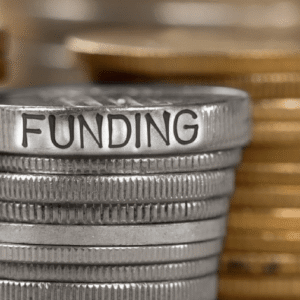
One of the clearest indicators of success is that the initiative is already attracting new investment and replication. Following the pilot, Mercado San Felipe Neri and the Municipality of Panama committed nearly $1 million in public funding to continue the transformation, including expanded circular economy practices, energy efficiency, and sustainable infrastructure upgrades. The model is already spreading to MercaPanamá, the country’s largest wholesale market, which has begun implementing its own circular economy strategy inspired by the project. International development banks such as the Inter-American Development Bank and CAF are also exploring opportunities to support further expansion, showing how small catalytic funding can unlock much larger investment flows.

Panama’s experience demonstrates that municipal markets are powerful yet often underused entry points for food systems transformation and urban sustainability. Because markets sit at the intersection of food supply chains, waste management, livelihoods, culture, and tourism, transforming them creates wide-ranging benefits—from reducing food waste and greenhouse gas emissions to supporting small producers and strengthening local economies. With relatively modest initial investment, Panama has shown that public markets can become scalable platforms for circular economy innovation, climate action, and inclusive economic growth.

The next phase is replication. Municipalities across the country, including San Miguelito, are already exploring how to adapt the model to their own contexts, especially in areas facing serious waste management challenges. With strategic support from development partners, Panama’s municipal market transformation could become a regional example of how local SDG innovation can evolve from pilot projects into public policy, broader investment, and large-scale implementation. What began as a zero-waste initiative has become a multi-stakeholder movement, showing how local action can turn global sustainability goals into tangible results in everyday community spaces.

Related Posts

  • USDA Launches Funding to Boost Local Farm Markets
  • Warwickshire's New Plan to Combat Food Poverty: Key Steps
  • South Korea Sends 5,000 Tons of Rice to Namibia
  • ADB and WFP Launch Food Systems Partnership in Asia-Pacific
  • ADB Expands Food System Support Beyond $14 Billion

Primary Sidebar

Latest News

Building Disability Inclusion Into the Design Process

Poland’s Pension Reform: Lessons for Future Labour Supply

Community Consultation: Insights and Lessons Learned

Lebanon War Sparks Hidden Health Crisis Beyond Frontlines

Unlocking Human Security Through Digital Wallets

UNDP Study: Ukrainian Youth Optimistic Despite Conflict

Promoting Women’s Leadership in East Asia’s Humanitarian Sector

Energy Resilience Project Hits the Shoreline

Thailand Forum: Youth Activists Drive Environmental Solutions

Largest Corporate Watchdog Faces Funding Loss in Sweden

NZ Boosts Tonga’s Fight Against Drug Trafficking

How Women, Youth, and Civil Society Drive SDG Progress

Technology Driving Impact for Asia-Pacific Nonprofits

Barbados Launches BB$5,000 Child Wealth Fund for Newborns

CSW70 Conclusions Adopted: ACT Alliance Calls for Justice Access

IICA Helps Grenada Boost Agricultural Development

Colombia Flood Crisis: Heavy Rains Force Mass Evacuations

Environmental Initiatives Drive European Security and Prosperity

Lessons from Europe’s Biopharma Leadership Loss

IFRC Alerts: Sudan Conflict Fuels Cross-Border Humanitarian Crisis

HardTech Innovation Accelerated by mHUB and Rockefeller Foundation for U.S. Growth

Labour’s £1 Billion Plan: What SMEs Stand to Gain

New Strategy Strengthens Domestic Abuse Services Across Devon

US Links HIV Aid to Zambia’s Mineral Access Controversy

Global Efforts by Islamic Relief on Orphan Day to Aid Vulnerable Children

Lebanon Crisis Deepens as Regional Violence Surges

PNG Advances New Waste-to-Energy Policy

EIB Backs €507 Million Solar and Storage Programme in Italy

EIB Global Backs PATRIZIA With $70 Million in Asia

Czech and Slovak Mid-Caps Get €400 Million EIB Boost

EU Commission Delivers €189 Million to Moldova

Foundation Expands Support With Leeds Fund Investment

Humanitarian Funding Review for Future Crisis Response

The Great Unrooting: Rights & Wrongs Special Season

US Lifts Sanctions on Wagner-Linked Mali Officials

Algeria Urged to Reverse SOS Disappeared Closure

Ananguié Farmer Builds a Better Future in Côte d’Ivoire

ARC34: Civil Society Calls for Inclusive Agrifood Systems

Building Health System Resilience in Amuru District

45 Million More at Risk of Acute Hunger in Middle East

Funds for NGOs
Funds for Companies
Funds for Media
Funds for Individuals
Sample Proposals

Contact us
Submit a Grant
Advertise, Guest Posting & Backlinks
Fight Fraud against NGOs
About us

Terms of Use
Third-Party Links & Ads
Disclaimers
Copyright Policy
General
Privacy Policy

Premium Sign in
Premium Sign up
Premium Customer Support
Premium Terms of Service

©FUNDSFORNGOS LLC.   fundsforngos.org, fundsforngos.ai, and fundsforngospremium.com domains and their subdomains are the property of FUNDSFORNGOS, LLC 1018, 1060 Broadway, Albany, New York, NY 12204, United States.   Unless otherwise specified, this website is not affiliated with the abovementioned organizations. The material provided here is solely for informational purposes and without any warranty. Visitors are advised to use it at their discretion. Read the full disclaimer here. Privacy Policy. Cookie Policy.