• Skip to primary navigation
  • Skip to main content
  • Skip to primary sidebar

fundsforNGOs News

Grants and Resources for Sustainability

  • Subscribe for Free
  • Premium Support
  • Premium Login
  • Premium Sign up
  • Home
  • Funds for NGOs
    • Agriculture, Food and Nutrition
    • Animals and Wildlife
    • Arts and Culture
    • Children
    • Civil Society
    • Community Development
    • COVID
    • Democracy and Good Governance
    • Disability
    • Economic Development
    • Education
    • Employment and Labour
    • Environmental Conservation and Climate Change
    • Family Support
    • Healthcare
    • HIV and AIDS
    • Housing and Shelter
    • Humanitarian Relief
    • Human Rights
    • Human Service
    • Information Technology
    • LGBTQ
    • Livelihood Development
    • Media and Development
    • Narcotics, Drugs and Crime
    • Old Age Care
    • Peace and Conflict Resolution
    • Poverty Alleviation
    • Refugees, Migration and Asylum Seekers
    • Science and Technology
    • Sports and Development
    • Sustainable Development
    • Water, Sanitation and Hygiene (WASH)
    • Women and Gender
  • Funds for Companies
    • Accounts and Finance
    • Agriculture, Food and Nutrition
    • Artificial Intelligence
    • Education
    • Energy
    • Environment and Climate Change
    • Healthcare
    • Innovation
    • Manufacturing
    • Media
    • Research Activities
    • Startups and Early-Stage
    • Sustainable Development
    • Technology
    • Travel and Tourism
    • Women
    • Youth
  • Funds for Individuals
    • All Individuals
    • Artists
    • Disabled Persons
    • LGBTQ Persons
    • PhD Holders
    • Researchers
    • Scientists
    • Students
    • Women
    • Writers
    • Youths
  • Funds in Your Country
    • Funds in Australia
    • Funds in Bangladesh
    • Funds in Belgium
    • Funds in Canada
    • Funds in Switzerland
    • Funds in Cameroon
    • Funds in Germany
    • Funds in the United Kingdom
    • Funds in Ghana
    • Funds in India
    • Funds in Kenya
    • Funds in Lebanon
    • Funds in Malawi
    • Funds in Nigeria
    • Funds in the Netherlands
    • Funds in Tanzania
    • Funds in Uganda
    • Funds in the United States
    • Funds within the United States
      • Funds for US Nonprofits
      • Funds for US Individuals
      • Funds for US Businesses
      • Funds for US Institutions
    • Funds in South Africa
    • Funds in Zambia
    • Funds in Zimbabwe
  • Proposal Writing
    • How to write a Proposal
    • Sample Proposals
      • Agriculture
      • Business & Entrepreneurship
      • Children
      • Climate Change & Diversity
      • Community Development
      • Democracy and Good Governance
      • Disability
      • Disaster & Humanitarian Relief
      • Environment
      • Education
      • Healthcare
      • Housing & Shelter
      • Human Rights
      • Information Technology
      • Livelihood Development
      • Narcotics, Drugs & Crime
      • Nutrition & Food Security
      • Poverty Alleviation
      • Sustainable Develoment
      • Refugee & Asylum Seekers
      • Rural Development
      • Water, Sanitation and Hygiene (WASH)
      • Women and Gender
  • News
    • Q&A
  • Premium
    • Premium Log-in
    • Premium Webinars
    • Premium Support
  • Contact
    • Submit Your Grant
    • About us
    • FAQ
    • NGOs.AI
You are here: Home / cat / Japan 2011: Key Lessons from the Earthquake and Tsunami

Japan 2011: Key Lessons from the Earthquake and Tsunami

Dated: March 11, 2026

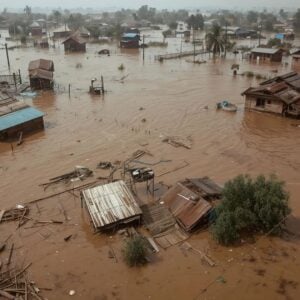
In April 2012, a Harley-Davidson motorcycle belonging to Ikuo Yokoyama, a survivor of Japan’s 2011 earthquake and tsunami, was found on Graham Island in the Haida Gwaii archipelago. Yokoyama had lost his home and three family members in the disaster. Fifteen years after the magnitude-9.0 earthquake off Japan’s northeastern coast, which triggered a devastating tsunami and severely damaged the Fukushima Daiichi nuclear power plant, the catastrophe remains a key reference point for discussions on risk, responsibility, and preparedness. Nearly 20,000 people were killed, and economic losses exceeded US$235 billion.

Yokoyama’s motorcycle has become part of a memorial culture dedicated to the disaster, now exhibited at the Harley-Davidson Museum in Milwaukee as a tribute to those affected. Objects like this motorcycle have sparked broader discussions in Japan about what survives after disasters and the lessons these remnants can teach. Despite Japan’s advanced disaster risk reduction infrastructure—including seismic engineering, early warning systems, and coastal defenses—the 2011 tsunami demonstrated that physical protections alone cannot eliminate risk. Individual and community awareness, preparedness, and rapid action are equally critical to saving lives.

Reconstruction in tsunami-affected areas involved relocating neighborhoods to higher ground, redesigning residential zones, and converting vulnerable low-lying areas into green buffers, agricultural spaces, or memorial sites. These planning decisions, combined with local knowledge and disaster education, played a decisive role in resilience and survival. The “Life is a Miracle” initiative in Yamamoto town emphasizes this understanding, using Yokoyama’s motorcycle to symbolize the fragility of life and highlight the factors that influence tsunami survival, including infrastructure, warning systems, land use, housing location, and pre-disaster institutional choices.

Japan’s approach to disaster memory integrates past catastrophes into public life, shaping urban planning, education, and commemoration. The Life is a Miracle project uses numbered clothing items linked to dialogue-based activities, fostering conversations about loss, displacement, rebuilding, and disaster preparedness. Across Tohoku, memorial museums, monuments, and preserved school buildings provide tangible accounts of evacuation decisions and reconstruction, anchoring memory in place and encouraging proactive disaster readiness. The 3.11 Densho Road project connects over 300 of these sites through a regional network, offering workshops, guided tours, and educational programs.

At the national level, the NIPPON Disaster Prevention Assets framework certifies facilities and initiatives that convey past disaster experiences effectively, reinforcing personal responsibility and preparedness. Community-based storytelling by Kataribe survivors further enriches disaster memory, conveying emotional and situational insights that formal exhibitions cannot fully capture. The Life is a Miracle project is one node in Japan’s broader memory infrastructure, ensuring that disaster remnants serve as ongoing educational tools and platforms for dialogue.

Japan’s model demonstrates that sustaining lessons from disasters requires deliberate, organized efforts to maintain public attention, preserve memory, and integrate experiences into educational and policy frameworks. While life is indeed a miracle, the ability of societies to learn from catastrophes depends on intentional strategies to translate experience into enduring preparedness practices.
Related Posts

  • Asia-Pacific Schools Lead in Disaster Preparedness Education
  • Grants Open to Support Community Disaster Recovery Initiatives
  • UN Adopts New Global Framework to Improve Disaster Statistics
  • World Bank Supports Tunisia’s Urban Flood Resilience Plans
  • Canada Invests $1M+ to Boost Innovation and Economic Growth in Northern Ontario

Primary Sidebar

Latest News

UNDP and Italy Back Green Climate Projects in Senegal

West Africa Faces Lassa Fever Crisis as Cases Go Undetected

$1.76M Grants Announced for Women Entrepreneurs by WEIDE Fund

£2.2 Million Funding Boost to Strengthen Volunteering in Scotland

CSOs Lead Solutions to Tech-Facilitated Gender-Based Violence

Water Security Boost: Govt Teams Up with Civil Society and Financial Sector

Rockefeller Foundation: Food as Medicine Can Generate $45 Billion for States

Women, Elections, and Peace: How Civil Society Drives Change in Gabon

UNHCR Reports Nearly 700,000 Displaced in Lebanon in One Week Amid Worsening Crisis

Over 70 NGOs Warn of Worsening Hunger Crisis in Somalia

Lessons from Lumina Foundation’s FutureReady States Initiative

Houston Hosts Watershed Roundtable on Conservation Partnerships April 8

Western Balkans Regional Soil Pollution Conference 2026: Tackling Contamination

Asia-Pacific Quadripartite Webinar on Nipah Virus

Japan 2011: Key Lessons from the Earthquake and Tsunami

Kyrgyzstan Prepares Second Biennial Transparency Report & Fifth National Communication

Commission Unveils New Strategy to Boost Clean Energy Investment

South Africa in Talks with Gilead for Local HIV Drug Production

What Justice Means to Women and How to Make It Real

Promoting Heritage Preservation for Sustainable Tourism in Egypt

Red Cross Takes Eight Key Actions to Protect Women and Girls in the Americas

IFAD, EU and Hamkorbank Partner to Boost Rural Businesses in Uzbekistan

EU–Thailand Trade Talks Must Protect Migrant Worker Rights

Sudan Atrocity Prevention Coalition Urged to Act Fast

FAO: Rangelands and Pastoralists Part of Climate Crisis Solutions

Can Youth Power Agricultural Mechanization in Africa?

WHO Delivers Emergency Health Support to Burundi

Ontario Announces $47 Million for Community Non-Profit Programs

Oil Depot Strikes Trigger ‘Toxic Rain’ Warning in Middle East Conflict

Global Update: South Sudan Ceasefire Call, Ukraine Strikes, Gaza Food Alert

Cyberbullying on the Rise: Two-Thirds of Children Report Alarming Increase

How Digital Access Empowers Rural Women and Girls in Chile

Ireland Announces €3M Humanitarian Aid for Lebanon

Applications Open for 2026 Nurturing Skills Learner Fund

EIF Backs DaVinci Growth Capital Fund with €20M for Italian Innovation

EU Sends 45 Tons of Emergency Supplies to Lebanon

ILO Report: Over Half of Workers Face Violence in West Africa

World Bank Backs Social Protection and Jobs in São Paulo

Fiji’s Health System Overhaul Backed by ADB

ADB Supports Nepal’s Digital Shift to Improve Citizen Services

Funds for NGOs
Funds for Companies
Funds for Media
Funds for Individuals
Sample Proposals

Contact us
Submit a Grant
Advertise, Guest Posting & Backlinks
Fight Fraud against NGOs
About us

Terms of Use
Third-Party Links & Ads
Disclaimers
Copyright Policy
General
Privacy Policy

Premium Sign in
Premium Sign up
Premium Customer Support
Premium Terms of Service

©FUNDSFORNGOS LLC.   fundsforngos.org, fundsforngos.ai, and fundsforngospremium.com domains and their subdomains are the property of FUNDSFORNGOS, LLC 1018, 1060 Broadway, Albany, New York, NY 12204, United States.   Unless otherwise specified, this website is not affiliated with the abovementioned organizations. The material provided here is solely for informational purposes and without any warranty. Visitors are advised to use it at their discretion. Read the full disclaimer here. Privacy Policy. Cookie Policy.