Rice production in Mali is increasingly threatened by climate-related stresses such as unpredictable rainfall, droughts, flooding, and a higher incidence of pests and diseases. These challenges exacerbate the vulnerability of rice monoculture systems, which depend on consistent water supply and fertile soils, leading to declining soil health, increased production risks, and greater reliance on agricultural inputs. Such conditions not only compromise rice yields but also threaten national food and nutrition security, leaving rural households exposed to environmental and market risks.
To address these challenges, diversification within rice-based systems has emerged as a critical adaptation strategy. Integrating legumes, vegetables, trees, off-season crops, fish farming, and value-added activities helps improve soil fertility, enhances nutrition, spreads economic risk, and ensures a year-round food supply. Legumes contribute to biological nitrogen fixation, rice–fish systems provide animal-source protein, and vegetable cultivation increases the availability of essential micronutrients, particularly benefiting women and children.
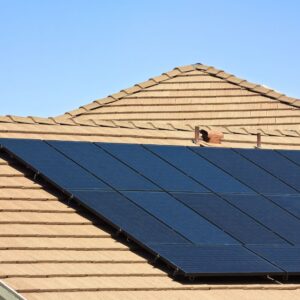
Between 2022 and 2025, the AICCRA Mali project promoted multiple diversification approaches, including rice–legume, rice–vegetable, rice–fish, and rice–agroforestry systems, across key rice-growing zones. Farmers were also introduced to solar-powered irrigation pumps through pay-as-you-go models, supporting off-season vegetable production while reducing dependency on fuel amid a national fuel crisis. These innovations align with climate-smart agriculture principles by promoting efficient resource use, environmental sustainability, and resilience among smallholder farmers.
Capacity-building workshops, such as the one held in November 2025, played a central role in consolidating lessons from four years of diversification interventions. These workshops equipped farmers, extension agents, researchers, and service providers with the knowledge and skills required to adopt and scale diversified production systems. Through participatory sessions, field demonstrations, and experience-sharing, stakeholders explored the practical benefits and constraints of various diversification pathways.
Rice–legume systems were highlighted for improving soil fertility, reducing dependence on mineral fertilizers, and enhancing household nutrition. Rice–vegetable systems, facilitated by solar-powered irrigation, were shown to increase income and dietary diversity while providing off-season employment opportunities. Integrated rice–fish systems demonstrated benefits in nutrient recycling, pest management, water productivity, and household protein availability. Rice–agroforestry systems improved soil organic matter, erosion control, and microclimate regulation, supporting long-term land productivity and resilience.
Varietal diversification using local, improved, drought-tolerant, and flood-tolerant rice varieties helped stabilize yields amid erratic climatic conditions, while value addition to rice by-products such as bran, husk, and straw generated additional income and reduced post-harvest losses. Across intervention sites, diversification strategies increased rice yields, strengthened household nutrition, enhanced soil fertility, and bolstered resilience to climatic shocks.
Despite these successes, constraints persist, including limited access to quality seeds, inadequate irrigation and drainage infrastructure, pest and disease challenges, limited technical capacity for integrated systems, labor shortages, weak market linkages, and restricted access to finance, especially for women and youth. Key lessons emphasize that off-season vegetable production and rice–fish systems offer high returns, agroforestry improves long-term soil health, and diversification must be carefully planned to prevent resource conflicts. Gender-responsive strategies and equitable access to land and inputs are essential for inclusive scaling.
The experience from 2022 to 2025 underscores that diversification in rice-based systems is a powerful lever for climate resilience, income generation, and improved nutrition in Mali. Sustainable scaling of these systems requires strengthened extension support, targeted financial mechanisms, access to quality inputs, and gender-inclusive approaches. Investing in diversified rice systems ultimately contributes to the long-term stability, productivity, and resilience of Mali’s rural rice-farming communities.