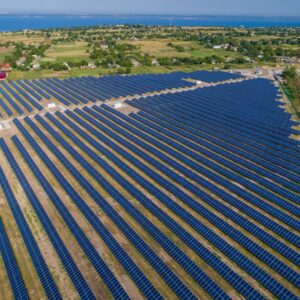
Djibouti’s abundant sunshine has long stood in contrast to its high electricity costs and limited energy access, with families and businesses facing some of the highest power prices in Africa due to complex and expensive generation systems. This situation has constrained economic opportunity, strained household budgets and limited reliable access to electricity, particularly in rural and underserved areas.
In recent years, the country has begun a significant shift toward solar self-consumption, marking a turning point in its energy landscape. In Djibouti City, households and businesses are increasingly generating their own clean power through rooftop solar, while in rural regions solar-powered mini grids are bringing electricity to communities that previously had none, improving daily life and opening new economic possibilities.
This transition has been supported through coordinated efforts between national institutions and international partners, including United Nations agencies, to build the foundations of a sustainable solar sector. Training programmes have strengthened local technical capacity, the private sector has been engaged to develop supply chains and maintenance services, and new regulations and quality standards have been introduced to ensure safe and reliable installations.
The impact has been rapid and visible. Within a single year, Djibouti has moved from minimal solar capacity to hosting multiple solar companies, trained national engineers and even a facility assembling the country’s first locally made solar panels. These developments signal the emergence of a domestic renewable energy industry with strong growth potential.
Momentum was further reinforced by the country’s first National Forum on Solar Energy, which provided a platform for local, youth-led businesses to showcase innovations and connect with decision makers and the wider public. The forum highlighted the role of entrepreneurship and skills development in driving the energy transition and building confidence in locally developed solutions.
Looking ahead, additional measures are underway to expand access and affordability, including the development of green financing mechanisms to help households and businesses invest in solar systems, the expansion of solar mini grids in rural areas and new planning tools to support urban solar deployment. These initiatives aim to ensure that the benefits of clean energy reach a wider share of the population.
Beyond energy, the expansion of solar self-consumption is expected to deliver broad economic and social benefits. Lower electricity costs can help families save and reinvest locally, enable small businesses to grow, attract new investment and create jobs, while also reducing carbon emissions and supporting national climate goals. Through continued collaboration with the Government and communities, solar energy is positioned to become a key driver of sustainable development and economic resilience in Djibouti.