Increased exports, foreign investment, and tourism have helped the Lao PDR begin emerging from a prolonged economic slowdown, according to a World Bank economic update. The report notes that further reforms in the business, finance, and infrastructure sectors are needed to sustain this progress and strengthen economic resilience.
The World Bank’s Consolidating Recent Reform Momentum for Stability and Growth highlights that strong foreign investment and a current account surplus are gradually rebuilding Laos’ foreign currency reserves, stabilizing the exchange rate and reducing inflation. GDP growth is estimated at 4.2% in 2025, supported by expansion in energy, mining, and manufacturing, while a growing regional economy boosts exports. This activity is helping offset the impacts of low public expenditure and high debt repayments.
Khwima Nthara, World Bank Country Manager for Lao PDR, emphasized that the economy has emerged from four difficult years due to effective reforms and stronger fiscal management. He noted that continuing the reform agenda could allow the country to increase public spending on essential services such as education, health, and roads.
Growth is expected to remain stable in 2026, driven by services and resource-based sectors. However, medium-term prospects are constrained by low productivity, skill shortages, and infrastructure gaps. The report recommends sustained reforms and deeper regional integration, including curbing tax exemptions, establishing a strong legal framework for public–private partnerships, strengthening public debt management, improving supervision of commercial banks, and enhancing the business environment.
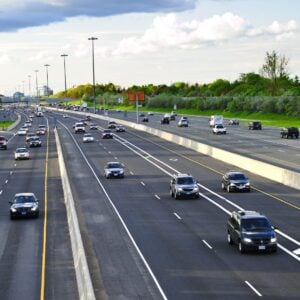
A special section of the report focuses on preserving Lao road assets, highlighting the importance of a well-functioning road sector for growth, competitiveness, and fiscal sustainability. Reliable roads reduce transport costs, improve market access, and strengthen links between production hubs and borders, while deteriorating road networks increase logistics costs, reduce private sector activity, and raise fiscal burdens through frequent repairs.
The report notes that Lao roads face accelerated wear due to climate impacts, heavy truck traffic, fragmented maintenance efforts, insufficient weight controls, and lack of targeted investment. To address these challenges, it recommends a unified asset management system and preservation strategies, stabilizing revenues to fund repairs, protecting priority road assets, implementing better overloading controls, and improving governance and efficiency through higher quality assurance and transparency.