The Food and Agriculture Organization of the United Nations (FAO) has launched the second phase of the Programme on Resilient and Inclusive Markets in the Republic of Moldova, aimed at strengthening both competitiveness and climate resilience among smallholder farmers. Implemented jointly by FAO and UNDP with support from Switzerland, the project focuses on helping farmers meet stricter quality, safety and sustainability requirements as the country advances its European Union integration efforts.
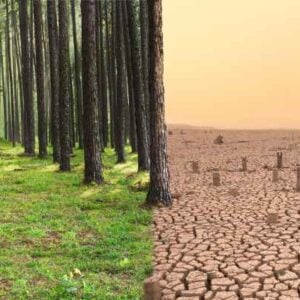
The initiative comes at a critical time, as Moldovan smallholders continue to face severe challenges such as recurring droughts and the socioeconomic impacts of the war in Ukraine. During the project’s launch in Chisinau, national authorities and partners emphasized the need for long-term systemic changes rather than temporary relief. Officials stressed that Moldova’s agricultural vulnerabilities are structural, and that the programme’s shift from crisis management to building long-term resilience is essential for a competitive and sustainable agrifood sector.
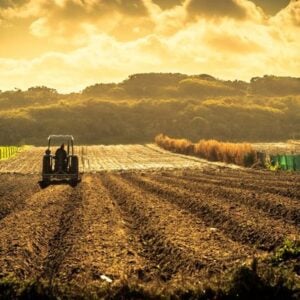
Building on the achievements of the first phase, which supported 17 000 smallholders, the new phase aims to reach more than 25 000 small-scale farmers and family farms. The project seeks to help these farmers transition from subsistence-level production to more commercially oriented agriculture. FAO representatives highlighted that the programme reflects the Organization’s long-standing commitment to supporting vulnerable rural communities and strengthening Moldova’s agrifood systems.
Switzerland’s continued financial support reinforces the programme’s long-term vision. Swiss officials noted that the new four-year phase will contribute to inclusive economic development, resilience to climate and market shocks, and improved competitiveness of local products. This support complements ongoing emergency assistance related to the war in Ukraine and climate change.
The project will contribute to making Moldova’s agriculture more inclusive, competitive and aligned with EU standards, while helping farmers withstand climate, economic and market-related pressures. It is designed using a participatory, farmer-led approach that builds knowledge and capacities at every level—from individuals and farmer organizations to national institutions.
Key activities include developing four priority value chains, establishing Farmer Field Schools to support peer learning, and strengthening farmer clusters. At the policy level, the project will collaborate closely with government institutions, NGOs, the private sector and development partners to promote sustainable rural development. It will also help refine subsidy and grant procedures for small farmers and support local administrations in integrating climate adaptation into local planning.
To strengthen resilience further, the project will implement the FAO Agricultural Stress Index System at the regional level and train hydrometeorology staff to deliver accurate early warnings for drought conditions. A major focus is also on improving competitiveness, with targets that include integrating 500 small farmers into market systems and promoting contract farming, higher quality standards, diversified markets and increased sales.