Governments, international organizations and development partners are advancing new initiatives aimed at strengthening economies, improving public health, expanding social protection and creating opportunities for communities worldwide.
Recent developments across Europe, Africa, Asia, Latin America and the Caribbean highlight a growing focus on inclusive investment, climate resilience, digital transformation and stronger public services.
The European Investment Bank Group is expanding cooperation with partner countries to support economic reforms, infrastructure investment and private sector growth. In Hungary, the EIB Group is working with national partners to improve access to finance for businesses, strengthen innovation ecosystems and support investments in education, energy, transport and social infrastructure.
Across the Mediterranean, a long-standing partnership between the Spanish Agency for International Development Cooperation and the European Investment Bank has helped mobilize private investment through investment funds. The initiative has supported companies in sectors including healthcare, technology, manufacturing and services while contributing to job creation and economic resilience.
In Africa, the African Development Bank Group continues to expand support for small businesses and entrepreneurs. A new trade finance facility in Djibouti will help improve financing access for small and medium-sized enterprises, including women-owned businesses, while supporting imports linked to renewable energy, manufacturing and telecommunications.
Health agencies are intensifying efforts to protect communities through emergency response, vaccination programmes and disease elimination initiatives.
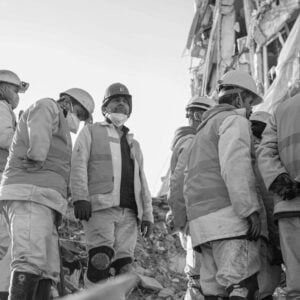
Following a devastating earthquake in Venezuela, the Pan American Health Organization and the World Health Organization delivered medical supplies, medicines and specialized equipment to support hospitals and emergency health services. The assistance aims to improve trauma care and maintain essential health services for affected populations.
New immunization data from WHO and UNICEF shows that vaccination programmes in the Americas have recovered from pandemic disruptions, although measles vaccination gaps remain a concern. Health authorities are urging countries to strengthen immunization systems and reach communities with lower vaccine coverage.
Similar concerns are emerging in the Western Pacific region, where millions of children remain without access to routine vaccinations. Health leaders are calling for sustained investment, stronger primary healthcare systems and improved community engagement to achieve global immunization goals.
International organizations are also highlighting the importance of investing in people through education, employment opportunities and social protection.
The International Labour Organization welcomed BRICS cooperation on expanding social security, increasing women’s workforce participation, improving skills development and preparing labour markets for digital transformation. The initiative emphasizes the need for inclusive employment opportunities and stronger protections for workers in emerging sectors.
Youth empowerment remains a major development priority. Programmes supported by the Joint SDG Fund are helping young people gain digital skills, vocational training and entrepreneurship opportunities in countries including Kenya, Albania and Colombia. These efforts aim to connect education with employment and support young people in building sustainable livelihoods.
In Georgia, FAO research highlights the challenges facing rural youth, including limited employment opportunities, access to finance barriers and migration pressures. New initiatives are supporting agricultural skills, entrepreneurship and greater youth participation in rural development.
Sustainable development efforts are also accelerating through climate-focused partnerships and industrial transformation programmes.
The United Nations Industrial Development Organization and Uruguay have strengthened cooperation on green industrial development, circular economy solutions and long-term industrial transformation. The partnership aims to support clean production, innovation and sustainable economic growth.
Meanwhile, international organizations are emphasizing stronger cooperation over shared water resources. New approaches to transboundary water management are focusing on inclusive decision-making, climate adaptation and collaboration between governments, communities and environmental partners.
From healthcare and climate action to investment, employment and youth development, recent global initiatives demonstrate a shared commitment to inclusive and sustainable progress.
International partnerships are increasingly focused on combining financial resources, technical expertise and local knowledge to address complex challenges. By strengthening institutions, expanding opportunities and investing in people, these efforts aim to create more resilient economies and healthier communities worldwide.