The Government of Japan and the United Nations World Food Programme (WFP) are strengthening efforts to improve child nutrition and education in Somalia through a new contribution aimed at supporting vulnerable communities affected by hunger and insecurity.
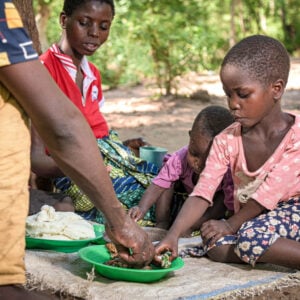
Japan has provided USD 1.2 million to enable WFP to deliver daily nutritious school meals to more than 14,000 children in Somalia’s Southwest and Jubaland states through February 2027. The initiative will support home-grown school meal programmes that use value vouchers, allowing schools to purchase food from local retailers and farmer cooperatives.
The programme is designed not only to improve children’s access to nutritious meals but also to strengthen local economies by creating demand for locally produced food. By connecting schools with farmers and markets, the initiative supports both education and community livelihoods.
WFP highlighted the important role of school meals in keeping children engaged in education, particularly during humanitarian crises. In WFP-supported schools, retention rates reached 98 percent in 2025, demonstrating the impact of consistent access to food on children’s ability to remain in school and continue learning.
Somalia continues to face a severe hunger crisis, with millions of people experiencing crisis-level food insecurity due to drought, insecurity, reduced humanitarian funding and wider regional challenges. Around six million people are estimated to be facing crisis-level hunger or worse, while nearly two million people are experiencing emergency hunger conditions.
Funding shortages have affected the scale of school feeding programmes across the country. WFP’s school meals coverage has declined from nearly 200,000 students in 2023 to just over 120,000 children currently, while millions of children remain out of school.
Japan has been a long-term partner of WFP’s humanitarian and development efforts in Somalia, providing approximately USD 37 million since 2021 to support emergency assistance, nutrition programmes, school meals and livelihood initiatives.
The latest contribution reinforces international efforts to address hunger, improve educational outcomes and build stronger community resilience in Somalia. Through continued investment in nutrition and education, partners aim to help children access the support they need to learn, grow and contribute to a more stable future.