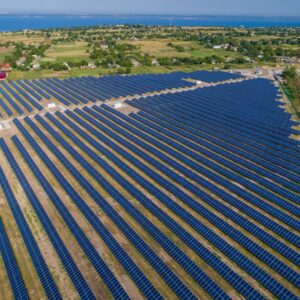
ARC Power has signed an initial US$60 million agreement with Kiyona Energy to develop solar power infrastructure in Zambia. The investment is expected to support the country’s efforts to expand clean electricity generation and reduce dependence on hydropower.
According to ARC Power, the agreement represents the first phase of a longer-term programme designed to accelerate the deployment of reliable and renewable electricity across Zambia. The project comes as the country increases investment in solar energy to strengthen energy security and respond to climate-related power challenges.
The partnership will use ARC Power’s Future Utility and Strategic Electrification model, known as FUSE. Under this financing approach, ARC Power designs, finances and builds power infrastructure before transferring it to public utilities or national authorities.
The FUSE model allows energy assets to be transferred through long-term repayment arrangements or operated under power purchase agreements that can last up to 20 years. ARC Power said the model is designed to help overcome financing barriers that often delay energy infrastructure development across Africa.
The company also noted that the approach supports the goals of Mission 300, an electricity access initiative backed by the World Bank and the African Development Bank. The initiative aims to expand access to power across the continent.
The agreement comes at a time when Zambia is seeing rising investment in solar energy. Recent projects include the Itimpi II solar plant, the Chisamba solar park, the Siavonga solar project and a solar facility developed by Kiyona Energy for the Natural Resources Development College.
These investments form part of Zambia’s broader strategy to diversify its electricity mix. Hydropower still accounts for about 80% of national electricity generation, leaving the country exposed to drought-related disruptions.
By expanding solar infrastructure, Zambia aims to build a more resilient energy system, improve electricity access and support long-term economic development. The ARC Power and Kiyona Energy agreement is expected to contribute to this shift by increasing clean power capacity and reducing pressure on the hydropower-dependent grid.