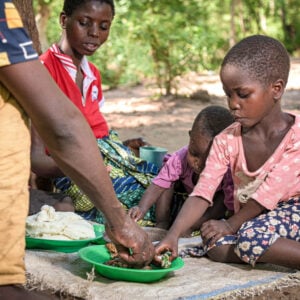
The humanitarian situation in Sudan is rapidly deteriorating as the United Nations warns that millions of people are now facing acute food shortages amid escalating conflict and economic instability. Widespread displacement, disrupted supply chains, and ongoing violence have severely limited access to food, pushing vulnerable populations closer to famine-like conditions in several regions.
According to humanitarian assessments, the crisis is being driven by a combination of armed conflict, collapsing infrastructure, and restricted humanitarian access. Agricultural production has been significantly impacted, with many farmers unable to plant or harvest crops due to insecurity and lack of resources. As a result, local food availability has sharply declined, increasing reliance on external aid that is often difficult to deliver.
The UN has highlighted that children, pregnant women, and displaced families are among the most affected groups, with rising levels of malnutrition reported across multiple states. Health systems are also under extreme pressure, with limited capacity to treat severe acute malnutrition and related health complications.
Humanitarian agencies warn that without urgent and sustained international support, the situation could worsen further, leading to a large-scale famine risk in parts of the country. Funding shortages and access constraints are making it increasingly difficult for aid organizations to reach populations in need.
The United Nations has called for immediate action to scale up humanitarian assistance, ensure safe access for relief operations, and support efforts to stabilize food systems. It emphasizes that addressing the crisis requires coordinated global intervention to prevent further loss of life and to mitigate one of the world’s most severe ongoing hunger emergencies.