
Brazzaville — The World Health Organization (WHO) in the African Region and the African Union Institute for Statistics (STATAFRIC) are strengthening collaboration to improve how African countries measure health spending and monitor financial protection. By enhancing the quality of health data, the partnership aims to help governments make informed decisions, allocate resources effectively, and advance… [Read More]
World Bank
Boosting Kenya’s Economic Progress Through Accelerated Procompetitive Reforms
Kenya’s economy is projected to grow by an average of 4.9% between 2025 and 2027, reflecting stronger-than-expected momentum supported by easing monetary policy and a rebound in the construction sector. Inflation remains within target, the exchange rate is stable, and foreign exchange reserves have reached record highs. Private sector credit is also recovering, growing 5%… [Read More]
How Job Creation Can Power Egypt’s Economic Growth and Prosperity

Every year, approximately 1.3 million young Egyptians enter the labor market, yet only about half a million jobs are created, leaving a significant gap in employment opportunities. Addressing this imbalance could have a transformative impact on Egypt’s economy, with full youth employment potentially increasing GDP by 36 percent and closing the gender employment gap raising… [Read More]
How Productivity Growth Drives GDP and Job Creation in Europe and Central Asia
Countries in Europe and Central Asia (ECA) need to make more efficient use of existing economic assets and invest in the capabilities of firms and workers to accelerate growth, according to the World Bank report TIDES of Change: Igniting Productivity Growth in Europe and Central Asia. The report emphasizes that simply adding more capital and… [Read More]
How Procompetitive Reforms Can Drive Job Creation and Productivity in Kenya

Procompetitive reforms in key sectors could significantly boost Kenya’s economic growth and job creation, with the potential to raise the country’s GDP by 1.35 percentage points annually and generate up to 400,000 jobs per year at the average wage. These reforms focus on creating a level playing field between state-owned and private enterprises, reducing trade… [Read More]
How Solar Energy Is Keeping Ukraine’s Health Clinics Operational During Power Cuts
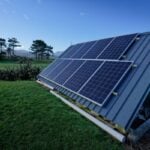
Amid Russia’s invasion, Ukraine’s healthcare system has faced significant challenges due to unreliable and intermittent power supply, which has affected both the quality and availability of medical care. Frontline and rural healthcare facilities have increasingly turned to solar energy to enhance energy efficiency, maintain resilience during outages, and ensure uninterrupted access to essential services. Supported… [Read More]
How Economic Diversification Can Drive Sustainable Growth in Mauritania

Achieving Mauritania’s goal of reaching upper-middle-income status by 2050 will require accelerated economic diversification, according to the World Bank Group’s Growth and Jobs Report released in November 2025. The report provides an analytical framework to support the government’s efforts to foster inclusive, sustainable, and resilient growth. Over the past twenty years, Mauritania’s economy has grown… [Read More]
Expanding Access to Maternal and Child Health Services in Somaliland

Since its launch in Somaliland in 2024, the Damal Caafimaad Project has significantly strengthened the region’s maternal and child healthcare services, supporting 49 health facilities and serving over 425,000 outpatients. Female outpatient attendance reached 76,527, representing 56.5% of the targeted population, while more than 16,000 pregnant women completed at least four antenatal care visits, reflecting… [Read More]
World Bank’s IFC Partners with PDT and Ditrolic Energy on Major Renewable Energy Corridor in Johor

Johor has taken a major step toward becoming a leading clean energy hub with the launch of the Southern Johor Renewable Energy Corridor (SJREC), a large-scale solar and battery storage initiative covering 2,000 square kilometres. The World Bank Group’s IFC, Johor’s strategic investment arm Permodalan Darul Ta’zim (PDT), and Ditrolic Energy have signed a collaboration… [Read More]
16 Days of Activism: Tackling Gender-Based Violence Worldwide

The 16 Days of Activism against Gender-Based Violence is an annual global campaign observed from November 25, the International Day for the Elimination of Violence against Women, to December 10, International Human Rights Day. During this period, individuals and organizations worldwide, including the World Bank Group (WBG), unite to raise awareness and advocate for the… [Read More]
National Biopharma Mission in India Accelerates Health Innovation with World Bank Support

A quiet revolution is underway in India’s biotechnology sector, led by young entrepreneurs who are driving transformative health innovations. Arjun Arunachalam, founder of Voxel Grids Innovations Private Ltd in Bangalore, developed India’s first indigenously manufactured MRI scanner that matches global standards at a fraction of the cost of imported machines. These lightweight, energy-efficient scanners are… [Read More]
Climate Resilience in Somalia: Ensuring Communities Access Safe Water
The Holhol Dam in Somaliland has been rehabilitated under the World Bank-supported Somalia Water for Rural Resilience Project, locally known as Barwaaqo, to provide clean water to over 6,000 people and support thousands of livestock. The upgraded dam now holds up to 70,000 cubic meters of water and serves surrounding villages, including Asha-ado, Abuqeys, and… [Read More]
Private Sector to Drive Climate Resilience in Bangladesh and South Asia
South Asia, characterized by dense populations, high temperatures, and exposed geography, is among the world’s most climate-vulnerable regions, with Bangladesh facing some of the highest risks. By 2030, nearly 90 percent of the region’s population is projected to be exposed to extreme heat, and almost a quarter at risk of severe flooding. Rising water and… [Read More]
Equatorial Guinea’s Path to Inclusive Growth: Reducing Poverty and Expanding the Middle Class
A new World Bank Group report highlights that Equatorial Guinea is at a critical juncture. Despite its oil wealth, which has positioned the country as an upper-middle-income economy and one of the richest in Sub-Saharan Africa, nearly half of the population still lives in poverty according to the national poverty line. As oil revenues decline… [Read More]
How Public Finance Reforms Can Accelerate Albania’s Economic Growth and Adapt to Demographic Shifts
Albania is steadily advancing toward a fully functioning market economy and EU membership, having recently achieved upper-middle-income status. To sustain and accelerate growth, a new World Bank Public Finance Review emphasizes the importance of strengthening public finances to attract quality jobs, invest in critical sectors like education, healthcare, and infrastructure, and respond effectively to demographic… [Read More]
Strengthening Competition to Drive Inclusive Economic Growth in Armenia
Armenia’s newly released World Bank report highlights that stronger market competition is critical for accelerating the country’s economic growth. According to the analysis, concentrated markets undermine efficiency and fairness, limiting consumer choice and reducing opportunities for small producers. The report argues that improving the enforcement of competition rules and ensuring fairer supplier-retailer relationships would help… [Read More]
Neuquén’s Economic Growth Set to Soar with World Bank-Backed Infrastructure and Tourism Projects

The World Bank has approved a US$150 million project in Neuquén province aimed at improving infrastructure, promoting sustainable tourism, and strengthening regional economic development. The initiative, titled “Resilient Infrastructure for Regional Economic Development and Job Creation,” is expected to benefit around one million residents and visitors, particularly nearly 300,000 people in Pehuén, Southern Lakes, and… [Read More]
Climate-Smart Growth: A Pathway to Sri Lanka’s Economic Recovery

In April 2024, Sri Lanka experienced a severe heatwave, with temperatures soaring into the mid-30s °C, affecting daily life for residents like Malani in Colombo. Working two part-time jobs and navigating the city on foot, she faced the physical strain of extreme heat, highlighting how climate change is already shaping livelihoods and routines across the… [Read More]
Syria Recovery Boost: World Bank Group Confirms Continued Support

A World Bank Group delegation led by Dr. Ousmane Dione, Vice President for the Middle East, North Africa, Afghanistan, and Pakistan (MENAAP) region, visited Damascus on November 19, 2025, to advance discussions on supporting Syria’s development priorities and recovery efforts. The delegation met with Syrian President Ahmed Al-Sharaa, Foreign Minister Asaad Al-Shaibani, and Finance Minister… [Read More]
Lebanon’s Energy, Finance, and Manufacturing Get a Boost Through IFC Initiatives

Beirut, Lebanon, November 20, 2025 — The International Finance Corporation (IFC), a member of the World Bank Group, announced five new investments and engagements aimed at expanding access to finance and energy, supporting the growth of Lebanon’s manufacturing sector, and creating employment opportunities across the country. The announcements were made during the Beirut One investor… [Read More]
How Grant Funding Helped a Kenyan Recycler Create Jobs from Waste
A Nairobi-based glass recycling company has rapidly expanded over the past five years, growing its workforce from 60 to 140 employees and reaching an annual revenue of $800,000. Its growth was supported by a $36,000 grant from the World Bank-funded Kenya Youth Employment and Opportunities Project (KYEOP), which, through the MbeleNaBiz initiative, has helped 750… [Read More]
Building Lasting Growth: How Good Governance Is Transforming Sarawak
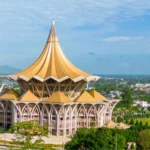
Thirty-eight-year-old journalist Norman Goh, originally from Kuching in Sarawak, reflects on how the state has evolved and how good governance can unlock its potential. Now based in Kuala Lumpur, he believes Sarawak can attract high-impact investments by improving efficiency, strengthening human capital, and focusing on key industries. For Goh, transparency and sound governance are essential… [Read More]
Nepal Transforms Forest Management Through Data-Driven Action
Nepal is taking major strides toward empowering every municipality to manage its forests sustainably by developing detailed biophysical forest data and strengthening local governance. For many years, forest data existed only at national and provincial levels, creating a gap that limited effective management under the country’s federal structure. To address this, the Ministry of Forests… [Read More]


