
Mira Sarker grew up along the Kapotaksha River in southern Bangladesh, where her childhood was shaped by frequent cyclones, disasters, and displacement. Living near the coast, she and her community have faced persistent challenges, reflecting a broader trend: in the past three decades, Bangladesh has experienced over 200 natural hazards. Extreme weather events are becoming… [Read More]
UNFPA Partners with ACAI to Address Ageing Issues Across ASEAN

JAKARTA, 24 February 2026 – The ASEAN Centre for Active Ageing and Innovation (ACAI) and the United Nations Population Fund (UNFPA) Asia-Pacific Regional Office have signed a Memorandum of Understanding (MOU) to strengthen regional cooperation on population ageing and promote active, healthy, and productive ageing across ASEAN. The signing took place during a high-level roundtable,… [Read More]
BESTLIFE2030 Launches €8M Call for 81 EU Overseas Biodiversity Projects
The second call for proposals under the BESTLIFE2030 Programme will allocate over €8 million to support 81 locally led biodiversity projects across the European Union’s outermost regions (ORs) and Overseas Countries and Territories (OCTs). This achievement highlights strong interest in the Programme and marks an important step in delivering its overall €23.4 million budget, which… [Read More]
Breaking Barriers in HIV Treatment for People with Disabilities

The International Disability Alliance and the World Health Organization are hosting a webinar titled “Breaking Barriers: Advancing Health Equity for Persons with Disabilities in HIV Care and Treatment” on 26 February 2026, from 11:00 to 12:30 CET. The event aims to address persistent health inequities faced by persons with disabilities, a group that makes up… [Read More]
Kenya’s Melting Glacier: A Global Climate Concern
Climbing Mount Kenya in December, I visited the Lewis Glacier near the summit and was struck by how small and vulnerable it appeared. This glacier, one of Africa’s last, has persisted for 10,000 to 30,000 years but is now reduced to the size of just two football fields. Scientists predict it will disappear within three… [Read More]
How Viet Nam Is Reducing Environmental Toxins Through GEF Projects
In Viet Nam, a comprehensive initiative is underway to eliminate harmful substances from the healthcare and manufacturing sectors, ensuring that the country’s fast-growing industries develop without threatening public health or the environment. The four-year project, Reduce the Impact and Release of Mercury and POPs in Viet Nam through Lifecycle Approach and Ecolabel, targets mercury, persistent… [Read More]
Pacific Nations Boost Environmental Action through GEF Partnership
Pacific countries have emphasized the critical need for strengthened international partnerships and financing to help Small Island Developing States (SIDS) address escalating climate and environmental challenges. This commitment was highlighted at the opening of a regional meeting hosted by the Government of Fiji in collaboration with the Global Environment Facility (GEF). Deputy Prime Minister and… [Read More]
$6B World Bank Partnership Expands Finance Access in Emerging Markets

The World Bank Group has launched a $6 billion insurance-backed facility to expand lending to micro, small, and medium-sized enterprises (MSMEs) in emerging markets, supporting job creation and private sector growth. Through this initiative, participating insurers share credit risk on a portion of eligible loans made by IFC, the World Bank Group’s private sector arm,… [Read More]
IFC Invests in Seraya Partners Fund II for Sustainable Southeast Asia Infrastructure

On 25 February 2026, the International Finance Corporation (IFC), a member of the World Bank Group, announced a USD 25 million equity commitment to Seraya Partners Fund II, a private equity infrastructure fund managed by Seraya Partners. This commitment anchors the Fund’s Southeast Asia Emerging Markets sleeve, targeting critical infrastructure investments across Indonesia, Malaysia, the… [Read More]
Bangladesh Unveils Third National Faunal Red List
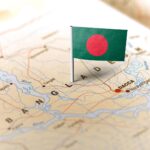
On 14 January 2026, the Bangladesh Forest Department (BFD) and IUCN Bangladesh officially launched the project “Updating the Faunal Red List of Bangladesh,” marking a key step in strategic national conservation planning. This initiative aims to provide an up-to-date assessment of the conservation status of the country’s wildlife, supporting evidence-based policymaking and biodiversity protection efforts…. [Read More]
Driving Nature-Positive Agriculture: IUCN and CGIAR Join Forces

The International Union for Conservation of Nature (IUCN) and CGIAR have signed a Memorandum of Understanding (MoU) to strengthen collaboration in transforming global food and agricultural systems towards a nature-positive approach. The partnership will focus on promoting sustainable production landscapes, land restoration, and the integration of biodiversity conservation into food and agricultural practices. With billions… [Read More]
BESTLIFE2030: €8M for 81 EU Biodiversity Projects

The second call for proposals under the BESTLIFE2030 Programme will channel over €8 million to support 81 locally led biodiversity projects across the European Union’s outermost regions (ORs) and Overseas Countries and Territories (OCTs). This milestone reflects strong interest in the Programme and contributes to the overall €23.4 million budget, which is expected to fund… [Read More]
Aid Groups Denied Entry to Gaza and West Bank by Israel

Israeli authorities plan to bar 37 international nongovernmental organizations (INGOs) from operating in Gaza and the West Bank starting March 1, 2026, after the groups refused to provide lists of their staff and biodata under new registration requirements. Humanitarian organizations argue that these rules undermine the principles of neutrality and independence, threatening the delivery of… [Read More]
Marriage in Iraq: The Impact of the Personal Status Code

Iraq’s recently amended Personal Status Code has significantly weakened legal protections for women and girls, particularly by facilitating child marriage and creating a parallel religious legal system. Drawing on court observations and survivor testimonies, it is evident that unregistered religious marriages, previously illegal, are now legitimized, exposing underage brides to abuse and undermining state oversight…. [Read More]
Budget Bill C-15 Faces Scrutiny in Open Letter to Federal MPs

The resilience of Canadian democracy and the rule of law is both fragile and invaluable, serving as a cornerstone for protecting communities, sovereignty, and the economy. Bill C-15, presented as the federal government’s response to economic challenges, contains provisions that pose a direct threat to this constitutional framework, undermining the principles of democratic governance. Within… [Read More]
Angola Faces Backlash Over Bill Limiting Civil Society

Human Rights Watch has raised concerns over a bill passed by Angola’s parliament on January 22, 2026, aimed at regulating nongovernmental organizations (NGOs). The legislation, formally titled the Law on the Statute of Non-Governmental Organizations, grants broad administrative powers to the government, allowing authorities to authorize, monitor, suspend, and impose financial restrictions on NGOs. Human… [Read More]
Sudan Crisis: People with Disabilities Targeted in North Darfur
Human Rights Watch has documented systematic targeting, abuse, and killings of people with disabilities by Sudan’s Rapid Support Forces (RSF) during and after their takeover of El Fasher, the capital of North Darfur, on October 26, 2025. Survivors and witnesses reported that RSF fighters singled out people because of physical or cognitive disabilities, accused them… [Read More]
Acute Hunger in Somalia Doubles Over the Past Year, Says Report
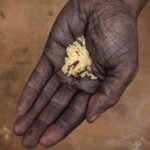
According to the latest analysis by the IPC food security monitoring platform, more than 1.8 million children under five in Somalia are at risk of acute malnutrition between now and June 2026. This alarming situation follows the failed October–December Deyr rains, which sharply reduced crop production, leaving poor farmers, pastoralists, and internally displaced people particularly… [Read More]
Concerns Grow Over Forced Returns of Burundian Refugees in Tanzania

As of November 2025, over 140,000 Burundian refugees were residing in neighbouring Tanzania, having fled years of civil unrest in Burundi. While thousands continue to return voluntarily, UNHCR officials warn that many still require international protection, particularly those fearing for their safety or political persecution, including members of the opposition and former military personnel. Up… [Read More]
Gaza Children Share Their Hopes for a Safe and Peaceful Future

Thousands of children in Gaza have participated in the “The Gaza We Want” initiative, expressing their hopes for peace and a better future through art, poetry, and models made from rubble caused by the ongoing conflict. Supported by UNICEF, the initiative engages children aged five to 18 to share their vision for rebuilding Gaza, which… [Read More]
$13.5 Million Granted for Preservation of Black Churches

The African American Cultural Heritage Action Fund, a division of the National Trust for Historic Preservation, has awarded $8.5 million in grants to 33 historically Black churches through its fourth annual Preserving Black Churches (PBC) program. This funding supports the preservation, stewardship, and long-term sustainability of sacred spaces that are central to Black faith, culture,… [Read More]
CEB and Türkiye Sign Loans to Boost Earthquake Resilience and Mobility
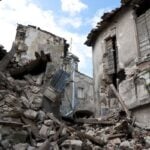
During Governor Carlo Monticelli’s first visit to Türkiye, the Council of Europe Development Bank (CEB) and the Ministry of Treasury and Finance signed two loan agreements totaling €280 million to enhance earthquake preparedness and sustainable urban transport in Istanbul. A €230 million loan will continue financing the Istanbul Seismic Risk Mitigation and Emergency Preparedness Project… [Read More]
Japan, UN-Habitat, JICA Partner to Boost School Disaster Resilience in KPK

The Government of Japan, UN-Habitat, and the Japan International Cooperation Agency (JICA) signed an Exchange of Notes and a Grant Agreement on 11 February 2026 to strengthen the disaster resilience of educational infrastructure in Khyber Pakhtunkhwa Province. The initiative is funded through a grant of JPY 427 million (approximately USD 2.7 million) from the Government… [Read More]


