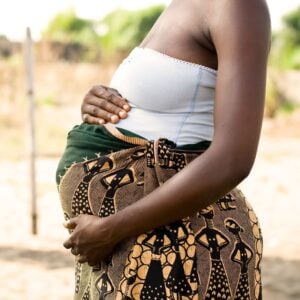
Nearly 5 million children die each year and around 700 women die daily from pregnancy-related causes, most of them in low- and middle-income countries. These deaths are largely preventable, making maternal and child health central to the World Bank Group’s ambition to reach 1.5 billion people with health services by 2030.
During the recent World Bank Group–IMF Spring Meetings, leaders from governments, donors, philanthropies, the private sector, and civil society reaffirmed their support for the Global Financing Facility for Women, Children and Adolescents (GFF). More than $800 million was committed on the first day of the 2026–2030 investment round, underscoring the urgency of scaling maternal and child health interventions.
In Accra, Ghana, ministers from Western and Central Africa met to discuss how to reach 200 million people with better health services under the regional “Fit to Prosper” approach. The focus is on strengthening frontline services, securing sustainable financing, and building resilience in health delivery systems. Ministers emphasized that healthcare is not only about health outcomes but also about human capital, job creation, prosperity, and national health security.
The GFF, created in 2015, is distinctive because of how it works with the World Bank Group to leverage financing. Every dollar of GFF grant funding unlocks about $7 in World Bank financing, aligning with national budgets and plans while engaging civil society and communities to ensure accountability and last-mile delivery. This model has helped countries expand access to essential services and improve outcomes faster than comparable nations.
Through its Transform 2030 strategy, the GFF is focused on securing smarter financing, scaling cost-effective interventions to end preventable maternal and child deaths, and strengthening primary health care systems that can withstand shocks. By identifying and replicating solutions with the greatest impact, the partnership aims to accelerate progress toward the 1.5 billion health target.
While risks remain, the opportunity is significant. Investing in the GFF will expand access to lifesaving care for hundreds of millions of people and bring the goal of ending preventable maternal and child deaths within reach.