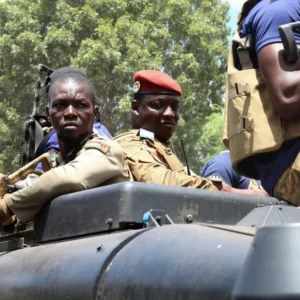
Violence erupted across Mali on 25 and 26 April, with Islamist and separatist rebels launching large‑scale attacks on multiple cities, including the capital Bamako. The clashes resulted in heavy civilian casualties and mass displacement. Fighting has continued in central regions between Malian security forces and armed groups such as the Tuareg‑led Azawad Liberation Front and Al‑Qaeda‑linked JNIM, with devastating consequences for civilians.
The UN has expressed deep concern over the worsening human rights situation, with reports of extrajudicial killings and abductions following the attacks. On 2 May, lawyer and politician Mountaga Tall was abducted from his home, highlighting the growing insecurity. Authorities have announced investigations, and the UN has urged that inquiries comply fully with international human rights law and due process.
Humanitarian conditions are deteriorating rapidly, with blockades imposed by armed groups restricting food supplies in Mopti and Bamako. OHCHR stressed that such blockades have unacceptable consequences for civilians and called for safe humanitarian access.
Children are bearing the brunt of the crisis. UNICEF reported that schools and health facilities have been directly affected, with armed elements and explosive devices disrupting education for hundreds of children and attacks undermining healthcare access for thousands more. The agency emphasized that civilian infrastructure must never be targeted.
Hospitals are overwhelmed by the influx of casualties. The International Committee of the Red Cross has stepped up support, delivering medical kits, fuel, and technical assistance to hospitals in Bamako, Kati, Mopti, and Gao to keep them operational amid the escalating conflict.