• Skip to primary navigation
  • Skip to main content
  • Skip to primary sidebar

fundsforNGOs News

Grants and Resources for Sustainability

  • Subscribe for Free
  • Premium Support
  • Premium Login
  • Premium Sign up
  • Home
  • Funds for NGOs
    • Agriculture, Food and Nutrition
    • Animals and Wildlife
    • Arts and Culture
    • Children
    • Civil Society
    • Community Development
    • COVID
    • Democracy and Good Governance
    • Disability
    • Economic Development
    • Education
    • Employment and Labour
    • Environmental Conservation and Climate Change
    • Family Support
    • Healthcare
    • HIV and AIDS
    • Housing and Shelter
    • Humanitarian Relief
    • Human Rights
    • Human Service
    • Information Technology
    • LGBTQ
    • Livelihood Development
    • Media and Development
    • Narcotics, Drugs and Crime
    • Old Age Care
    • Peace and Conflict Resolution
    • Poverty Alleviation
    • Refugees, Migration and Asylum Seekers
    • Science and Technology
    • Sports and Development
    • Sustainable Development
    • Water, Sanitation and Hygiene (WASH)
    • Women and Gender
  • Funds for Companies
    • Accounts and Finance
    • Agriculture, Food and Nutrition
    • Artificial Intelligence
    • Education
    • Energy
    • Environment and Climate Change
    • Healthcare
    • Innovation
    • Manufacturing
    • Media
    • Research Activities
    • Startups and Early-Stage
    • Sustainable Development
    • Technology
    • Travel and Tourism
    • Women
    • Youth
  • Funds for Individuals
    • All Individuals
    • Artists
    • Disabled Persons
    • LGBTQ Persons
    • PhD Holders
    • Researchers
    • Scientists
    • Students
    • Women
    • Writers
    • Youths
  • Funds in Your Country
    • Funds in Australia
    • Funds in Bangladesh
    • Funds in Belgium
    • Funds in Canada
    • Funds in Switzerland
    • Funds in Cameroon
    • Funds in Germany
    • Funds in the United Kingdom
    • Funds in Ghana
    • Funds in India
    • Funds in Kenya
    • Funds in Lebanon
    • Funds in Malawi
    • Funds in Nigeria
    • Funds in the Netherlands
    • Funds in Tanzania
    • Funds in Uganda
    • Funds in the United States
    • Funds within the United States
      • Funds for US Nonprofits
      • Funds for US Individuals
      • Funds for US Businesses
      • Funds for US Institutions
    • Funds in South Africa
    • Funds in Zambia
    • Funds in Zimbabwe
  • Proposal Writing
    • How to write a Proposal
    • Sample Proposals
      • Agriculture
      • Business & Entrepreneurship
      • Children
      • Climate Change & Diversity
      • Community Development
      • Democracy and Good Governance
      • Disability
      • Disaster & Humanitarian Relief
      • Environment
      • Education
      • Healthcare
      • Housing & Shelter
      • Human Rights
      • Information Technology
      • Livelihood Development
      • Narcotics, Drugs & Crime
      • Nutrition & Food Security
      • Poverty Alleviation
      • Sustainable Develoment
      • Refugee & Asylum Seekers
      • Rural Development
      • Water, Sanitation and Hygiene (WASH)
      • Women and Gender
  • News
    • Q&A
  • Premium
    • Premium Log-in
    • Premium Webinars
    • Premium Support
  • Contact
    • Submit Your Grant
    • About us
    • FAQ
    • NGOs.AI
You are here: Home / cat / Lebanon: Nearly One-Quarter Face Acute Food Insecurity Amid Escalation

Lebanon: Nearly One-Quarter Face Acute Food Insecurity Amid Escalation

Dated: April 30, 2026

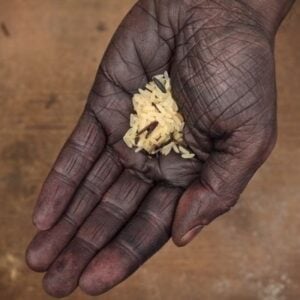
A sharp escalation in violence in Lebanon has reversed recent improvements in food security and pushed the country back into crisis, according to the latest Integrated Food Security Phase Classification (IPC) analysis released by the Ministry of Agriculture in collaboration with the FAO and WFP. The report estimates that 1.24 million people, nearly one in four of the population analysed, are expected to face acute food insecurity at Crisis level (IPC Phase 3) or worse between April and August 2026, a significant rise from 874,000 people (17%) recorded in the previous period from November 2025 to March 2026.

The worsening situation is being driven by ongoing conflict, displacement, economic instability, rising inflation, and sharply increasing food prices, all of which are reducing household purchasing power. Humanitarian assistance shortfalls and disrupted supply chains are further limiting coping capacity, while agricultural production has been heavily affected by damaged farmland, restricted access to rural areas, and rising input costs. Key farming and livestock systems remain under strain, with missed planting seasons expected to deepen future production losses and food shortages.

The most severe deterioration is concentrated in conflict-affected districts such as Bent Jbeil, Marjeyoun, Sour, and Nabatiyeh, followed by Baalbeck El Hermel, where displacement and market disruptions are most intense. The crisis is affecting all population groups, including Lebanese households, Syrian refugees, Palestinian refugees, and newly arrived populations from Syria, with refugees facing particularly high levels of acute food insecurity. Many households are now reducing food intake, skipping meals, and relying on negative coping strategies such as debt or selling assets.

Officials and humanitarian agencies warn that Lebanon’s food security situation remains highly fragile and could deteriorate further if conflict, economic pressure, and funding gaps persist. They stress that sustained humanitarian assistance and urgent support to agriculture and livelihoods are critical to prevent a deeper and more prolonged food crisis.

Related Posts

  • South Sudan Faces Severe Hunger Crisis Affecting Millions
  • South Sudan Food Crisis Deepens with Millions Facing Acute Hunger
  • Crisis from Hormuz to Lebanon Disrupts Trade and Aid Networks
  • Lifesaving Food Aid in Somalia Supported by Flexible WFP Funding
  • EU Pledges €235M Humanitarian Aid for West and Central Africa

Primary Sidebar

Latest News

Supply Chain Finance Boost for African Businesses by IFC and Standard Chartered

Nigeria Energy Access Boosted by IFC and Norfund Initiative

New FIFA Rule Grants Recognition to Afghan Women’s Team

US Court Upholds Right to Seek Asylum

Transgender Rights in Nepal Face Stagnation

Middle East Crisis: Call for Sustainable Ceasefire and Civilian Protection

UN: Fossil Fuel Energy System ‘Inherently Volatile and Unstable’

Iran Crackdown Intensifies, UN Rights Chief Issues Warning

Ontario Invests $20M+ in Local Festivals and Events

Minister Heydon Unveils €100m Fuel Aid for Farmers, Contractors, Fishers

Four Green Financing Trends Shaping Development Finance

IOM and Norway Strengthen Migration Cooperation

ILO-EU-Sweden Programme Expands Jobs and Entrepreneurship in Bosnia

Indonesia Promotes Trade-Investment Policy Alignment for Jobs

Ukraine and ILO Strengthen Institutional Partnership

Brazil and ILO Boost South–South Cooperation on Care Economy

Jobs Grow in Ghana’s Agriculture Sector but Gaps Remain

Pakistan Introduces New Safety Code for Construction Industry

Cameroon Youth Jobs Boosted by ILO Initiative

World Bank Project Aims to Modernize Panama Cadastre and Attract Investment

Western Balkans Growth Slows as Job Creation Becomes Key Priority

Solomon Islands and World Bank Sign Six-Year Development Partnership

Lebanon: Nearly One-Quarter Face Acute Food Insecurity Amid Escalation

Italy MUR Allocates €30 Million for International Joint Research Projects

Tripartite Experts Agree on Protecting Workers and Businesses from Climate Risks

South Africa Boosts Labour Inspection System Amid Rising Psychosocial Risk Concerns

Syria Strengthens Labour Market Data and Public Works for Recovery

South Sudan Faces Severe Hunger Crisis Affecting Millions

Increasing Private Investment in Climate Resilience

UNDP Boosts Community Livelihoods and Commerce in Jamaica

South Sudan Food Crisis Deepens with Millions Facing Acute Hunger

Lifesaving Food Aid in Somalia Supported by Flexible WFP Funding

EU Supports Reopening of Hostomel Primary School in Ukraine

EBRD and EU Boost Support for Ukrainian Railways

IRC and Gavi ZIP Programme Delivers 30M Vaccine Doses

Urgent Action Needed on Fertiliser Shortages in Africa

Strengthening SMEs in Mozambique’s Expanding Energy Value Chain

South Sudan: Nearly 8 Million at Risk of Acute Hunger

Landmark Deal: EBRD Sells Giurgiulesti Port to Constanța

EBRD and EU Boost Support for Ukrainian Railways

Funds for NGOs
Funds for Companies
Funds for Media
Funds for Individuals
Sample Proposals

Contact us
Submit a Grant
Advertise, Guest Posting & Backlinks
Fight Fraud against NGOs
About us

Terms of Use
Third-Party Links & Ads
Disclaimers
Copyright Policy
General
Privacy Policy

Premium Sign in
Premium Sign up
Premium Customer Support
Premium Terms of Service

©FUNDSFORNGOS LLC.   fundsforngos.org, fundsforngos.ai, and fundsforngospremium.com domains and their subdomains are the property of FUNDSFORNGOS, LLC 1018, 1060 Broadway, Albany, New York, NY 12204, United States.   Unless otherwise specified, this website is not affiliated with the abovementioned organizations. The material provided here is solely for informational purposes and without any warranty. Visitors are advised to use it at their discretion. Read the full disclaimer here. Privacy Policy. Cookie Policy.