You are here: Home/cat/ Qurbani: A Sacred Duty in Islam Explained
Qurbani: A Sacred Duty in Islam Explained
Sobhia, a 73-year-old Syrian refugee, lives in Lebanon with her daughter, two sons, and six grandchildren as part of a community of over one million Syrian refugees in the country. Her family depends on the income of her sons, who work as day labourers, but rising living costs, currency instability, and Lebanon’s prolonged economic crisis make it difficult to meet basic needs such as food, rent, and childcare essentials.
The family lives in a small tent in Jiyeh and survives mainly on affordable staples like bread, rice, vegetables, and lentils, as meat has become increasingly unaffordable. Sobhia explains that financial hardship has directly affected their nutrition and health, with frequent illness among children and ongoing concerns about malnutrition and growth due to a lack of protein and iron.
Despite these challenges, the family received a qurbani meat parcel last year through Islamic Relief’s distribution programme, which reached tens of thousands of vulnerable people in Lebanon and millions globally. The assistance allowed them to prepare a proper Eid meal, easing financial pressure and bringing a sense of dignity and inclusion during the holiday.
Sobhia described the support as deeply meaningful, not only because it provided food but also because it brought emotional relief, hope, and a feeling of being remembered during difficult times. She highlighted that such aid helps families experience the spirit of Eid despite ongoing hardship and crisis conditions.
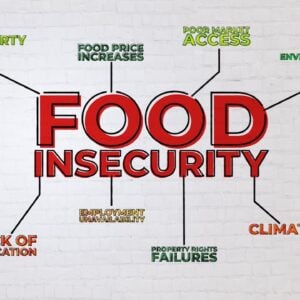
The broader context in Lebanon remains severe, with ongoing economic collapse, widespread food insecurity, and recent escalations in regional violence leading to mass displacement and additional strain on health and infrastructure systems. Many families continue to struggle to access basic services and sufficient nutrition.
The qurbani appeal continues to support vulnerable families like Sobhia’s, aiming to provide food relief during Eid and strengthen solidarity with communities affected by poverty, displacement, and conflict.