• Skip to primary navigation
  • Skip to main content
  • Skip to primary sidebar

fundsforNGOs News

Grants and Resources for Sustainability

  • Subscribe for Free
  • Premium Support
  • Premium Login
  • Premium Sign up
  • Home
  • Funds for NGOs
    • Agriculture, Food and Nutrition
    • Animals and Wildlife
    • Arts and Culture
    • Children
    • Civil Society
    • Community Development
    • COVID
    • Democracy and Good Governance
    • Disability
    • Economic Development
    • Education
    • Employment and Labour
    • Environmental Conservation and Climate Change
    • Family Support
    • Healthcare
    • HIV and AIDS
    • Housing and Shelter
    • Humanitarian Relief
    • Human Rights
    • Human Service
    • Information Technology
    • LGBTQ
    • Livelihood Development
    • Media and Development
    • Narcotics, Drugs and Crime
    • Old Age Care
    • Peace and Conflict Resolution
    • Poverty Alleviation
    • Refugees, Migration and Asylum Seekers
    • Science and Technology
    • Sports and Development
    • Sustainable Development
    • Water, Sanitation and Hygiene (WASH)
    • Women and Gender
  • Funds for Companies
    • Accounts and Finance
    • Agriculture, Food and Nutrition
    • Artificial Intelligence
    • Education
    • Energy
    • Environment and Climate Change
    • Healthcare
    • Innovation
    • Manufacturing
    • Media
    • Research Activities
    • Startups and Early-Stage
    • Sustainable Development
    • Technology
    • Travel and Tourism
    • Women
    • Youth
  • Funds for Individuals
    • All Individuals
    • Artists
    • Disabled Persons
    • LGBTQ Persons
    • PhD Holders
    • Researchers
    • Scientists
    • Students
    • Women
    • Writers
    • Youths
  • Funds in Your Country
    • Funds in Australia
    • Funds in Bangladesh
    • Funds in Belgium
    • Funds in Canada
    • Funds in Switzerland
    • Funds in Cameroon
    • Funds in Germany
    • Funds in the United Kingdom
    • Funds in Ghana
    • Funds in India
    • Funds in Kenya
    • Funds in Lebanon
    • Funds in Malawi
    • Funds in Nigeria
    • Funds in the Netherlands
    • Funds in Tanzania
    • Funds in Uganda
    • Funds in the United States
    • Funds within the United States
      • Funds for US Nonprofits
      • Funds for US Individuals
      • Funds for US Businesses
      • Funds for US Institutions
    • Funds in South Africa
    • Funds in Zambia
    • Funds in Zimbabwe
  • Proposal Writing
    • How to write a Proposal
    • Sample Proposals
      • Agriculture
      • Business & Entrepreneurship
      • Children
      • Climate Change & Diversity
      • Community Development
      • Democracy and Good Governance
      • Disability
      • Disaster & Humanitarian Relief
      • Environment
      • Education
      • Healthcare
      • Housing & Shelter
      • Human Rights
      • Information Technology
      • Livelihood Development
      • Narcotics, Drugs & Crime
      • Nutrition & Food Security
      • Poverty Alleviation
      • Sustainable Develoment
      • Refugee & Asylum Seekers
      • Rural Development
      • Water, Sanitation and Hygiene (WASH)
      • Women and Gender
  • News
    • Q&A
  • Premium
    • Premium Log-in
    • Premium Webinars
    • Premium Support
  • Contact
    • Submit Your Grant
    • About us
    • FAQ
    • NGOs.AI
You are here: Home / cat / Liberia Focuses on Safety and Economic Growth

Liberia Focuses on Safety and Economic Growth

Dated: April 10, 2026

In rural Montserrado County’s Morris Farm in Liberia, community activist Betty Moore walks through her neighborhood using illustrated posters to spark conversations about household relationships, decision-making, and power dynamics. As one of 250 activists supported by the Liberia Women Empowerment Project (LWEP), she works to promote a vision where women are not only safe but also empowered to work, earn, and thrive. Her effectiveness is rooted in local trust and her understanding of community dynamics, which helps her guide sensitive discussions with care and credibility.

Across Liberia, LWEP engages community leaders, activists, traditional authorities, and religious figures to foster dialogue on respect, partnership, and gender equality. This approach recognizes that women’s safety is closely linked to their economic participation. In Liberia, over half of ever-partnered women report experiencing intimate partner violence, and evidence shows that gender-based violence significantly reduces women’s earnings and economic activity while also imposing broader national economic costs.

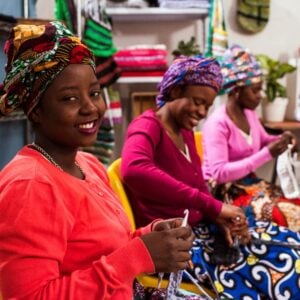
In communities such as Dougee Town in Grand Gedeh County, participants in LWEP sessions have highlighted how empowerment and protection are interconnected. Women have shared ideas for small businesses and local solutions that strengthen both their safety and economic independence, reflecting the program’s focus on community-led change and women’s leadership.

Launched in 2022 with World Bank support and implemented by the Government of Liberia, LWEP combines livelihood support with efforts to shift social norms and strengthen women’s agency. Through training, business support, livelihood grants, and the SASA! methodology, the project engages hundreds of communities to encourage behavior change and expand opportunities for women and men alike. Thousands of enterprises have been supported, hundreds of women-led groups have received financing, and many beneficiaries have gained business and financial skills to improve income and productivity.

Beyond economic support, LWEP also strengthens national systems to ensure sustainability. It builds capacity among service providers, supports school-based clubs that promote safe spaces for youth, and enhances government services such as a national GBV call center that offers psychosocial support and referrals. The project also maps service gaps to improve coordination and access to essential services across the country.

Overall, LWEP demonstrates that addressing gender-based violence alongside women’s economic empowerment is key to inclusive growth in Liberia. By linking safety with opportunity and strengthening both community engagement and national systems, the initiative is helping women build sustainable livelihoods while contributing to stronger local economies and long-term development.

Related Posts

  • Women’s Health Crisis: How Lack of Knowledge Drives Illness
  • Empowering Women for Peace in Rural Indonesia: Volunteer Stories
  • National Policy Dialogue Boosts Cambodia’s Disaster Resilience
  • Misdiagnosis and Bias: Why Women Live Longer but Suffer More
  • Namibia: AfDB Backs Women-Owned Enterprises with Credit Facility

Primary Sidebar

Latest News

UN Declaration on Enslavement: Three Key Lessons

Norway Boosts Support for Humanitarian Aid Efforts

Sudanese Refugees in Chad Face Aid Funding Crisis

Meaning of a Socially Responsible Business Explained

EU Judiciary Defends LGBTQ+ Rights in Key Ruling

UN Warns of Child Trafficking Crisis in South Sudan

Russia: UN Experts Condemn Abuse of Extremism Laws

Portugal Contributes €70,000 to OPCW Activities

Fragile Economies: Why They Keep Falling Behind

Liberia Focuses on Safety and Economic Growth

SHAPE’s Role in Age-Inclusive Humanitarian Action

Angola Celebrates World Health Day with Focus on Equity

Ghana Launches Maternal Mental Health Policy

Niger Makes Major Progress Against Polio

Angola Enhances Cholera Response with UN Support

OECD Data Shows Record Drop in Aid, Rockefeller Calls for Response

Saint Vincent Hot Pepper Value Chain Gets FAO Training Boost

Multi-Million Dollar Boost for Zambezi River Basin Projects

European Union Funds Accredited Solar Skills Training

India, IFAD Sign $46M Deal for Climate Farming in Mizoram

Mexico Advances Sovereign Path for Trans Rights

Israeli Pressure Silences Palestinian Child Rights Group

Russia Criminalizes Human Rights Work with Memorial Ban

Belarus Mirrors Russia’s Propaganda Strategy

Social Protection Must Adapt to Changing World of Work: ILO

Strengthening Inclusive Organizing in Malaysian Trade Unions

Sudan Refugees, Child Trafficking, Burundi Illness: World News Update

Israeli Strikes Leave Lebanon Health System Overwhelmed

Global Development Finance Gap Risks Reversing Progress

Ireland Allocates €4.4M for Heritage Building Conservation

Rural Chile Digital Divide: Progress and Challenges in La Araucanía

Yemen Floods Worsen Humanitarian and Economic Crisis

Nepal Growth to Moderate in FY26 Amid Global and Domestic Risks

India Growth Slows but Remains Among Fastest-Growing Economies

Bhutan Growth Outlook Strong, But Job Creation Needs Acceleration

Mongolia Economy Shows Resilience Despite Growing Risks: World Bank

First WHO Forum Brings Together 800+ Collaborating Centres

WFP Sudan Office Returns to Khartoum After Three Years of War

Sudanese Refugees in Chad at Risk as Funding Gaps Widen

ADB: Middle East Conflict to Drag Down Maldives Economic Growth

Funds for NGOs
Funds for Companies
Funds for Media
Funds for Individuals
Sample Proposals

Contact us
Submit a Grant
Advertise, Guest Posting & Backlinks
Fight Fraud against NGOs
About us

Terms of Use
Third-Party Links & Ads
Disclaimers
Copyright Policy
General
Privacy Policy

Premium Sign in
Premium Sign up
Premium Customer Support
Premium Terms of Service

©FUNDSFORNGOS LLC.   fundsforngos.org, fundsforngos.ai, and fundsforngospremium.com domains and their subdomains are the property of FUNDSFORNGOS, LLC 1018, 1060 Broadway, Albany, New York, NY 12204, United States.   Unless otherwise specified, this website is not affiliated with the abovementioned organizations. The material provided here is solely for informational purposes and without any warranty. Visitors are advised to use it at their discretion. Read the full disclaimer here. Privacy Policy. Cookie Policy.