• Skip to primary navigation
  • Skip to main content
  • Skip to primary sidebar

fundsforNGOs News

Grants and Resources for Sustainability

  • Subscribe for Free
  • Premium Support
  • Premium Login
  • Premium Sign up
  • Home
  • Funds for NGOs
    • Agriculture, Food and Nutrition
    • Animals and Wildlife
    • Arts and Culture
    • Children
    • Civil Society
    • Community Development
    • COVID
    • Democracy and Good Governance
    • Disability
    • Economic Development
    • Education
    • Employment and Labour
    • Environmental Conservation and Climate Change
    • Family Support
    • Healthcare
    • HIV and AIDS
    • Housing and Shelter
    • Humanitarian Relief
    • Human Rights
    • Human Service
    • Information Technology
    • LGBTQ
    • Livelihood Development
    • Media and Development
    • Narcotics, Drugs and Crime
    • Old Age Care
    • Peace and Conflict Resolution
    • Poverty Alleviation
    • Refugees, Migration and Asylum Seekers
    • Science and Technology
    • Sports and Development
    • Sustainable Development
    • Water, Sanitation and Hygiene (WASH)
    • Women and Gender
  • Funds for Companies
    • Accounts and Finance
    • Agriculture, Food and Nutrition
    • Artificial Intelligence
    • Education
    • Energy
    • Environment and Climate Change
    • Healthcare
    • Innovation
    • Manufacturing
    • Media
    • Research Activities
    • Startups and Early-Stage
    • Sustainable Development
    • Technology
    • Travel and Tourism
    • Women
    • Youth
  • Funds for Individuals
    • All Individuals
    • Artists
    • Disabled Persons
    • LGBTQ Persons
    • PhD Holders
    • Researchers
    • Scientists
    • Students
    • Women
    • Writers
    • Youths
  • Funds in Your Country
    • Funds in Australia
    • Funds in Bangladesh
    • Funds in Belgium
    • Funds in Canada
    • Funds in Switzerland
    • Funds in Cameroon
    • Funds in Germany
    • Funds in the United Kingdom
    • Funds in Ghana
    • Funds in India
    • Funds in Kenya
    • Funds in Lebanon
    • Funds in Malawi
    • Funds in Nigeria
    • Funds in the Netherlands
    • Funds in Tanzania
    • Funds in Uganda
    • Funds in the United States
    • Funds within the United States
      • Funds for US Nonprofits
      • Funds for US Individuals
      • Funds for US Businesses
      • Funds for US Institutions
    • Funds in South Africa
    • Funds in Zambia
    • Funds in Zimbabwe
  • Proposal Writing
    • How to write a Proposal
    • Sample Proposals
      • Agriculture
      • Business & Entrepreneurship
      • Children
      • Climate Change & Diversity
      • Community Development
      • Democracy and Good Governance
      • Disability
      • Disaster & Humanitarian Relief
      • Environment
      • Education
      • Healthcare
      • Housing & Shelter
      • Human Rights
      • Information Technology
      • Livelihood Development
      • Narcotics, Drugs & Crime
      • Nutrition & Food Security
      • Poverty Alleviation
      • Sustainable Develoment
      • Refugee & Asylum Seekers
      • Rural Development
      • Water, Sanitation and Hygiene (WASH)
      • Women and Gender
  • News
    • Q&A
  • Premium
    • Premium Log-in
    • Premium Webinars
    • Premium Support
  • Contact
    • Submit Your Grant
    • About us
    • FAQ
    • NGOs.AI
You are here: Home / cat / National Policy Dialogue Boosts Cambodia’s Disaster Resilience

National Policy Dialogue Boosts Cambodia’s Disaster Resilience

Dated: April 7, 2026

Cambodia is strengthening its disaster risk reduction efforts with a focus on gender equality, recognizing that resilience cannot be achieved without women’s leadership and participation. On 22 January 2026, 88 representatives from government ministries, civil society organizations, and local communities convened in Phnom Penh for a national policy dialogue led by the National Committee for Disaster Management (NCDM) with support from UN Women. The dialogue reviewed progress under Cambodia’s National Action Plan for Disaster Risk Reduction 2024–2028, placing women and gender equality at the centre of disaster preparedness and response.

Participants emphasized that the impacts of climate-related disasters are not gender-neutral. Sorphoarn Sok, Programme Analyst at UN Women Cambodia, highlighted that without gender-responsive approaches, disaster risk reduction efforts risk reinforcing inequalities and leaving women and marginalized communities more vulnerable. The dialogue also examined alignment with international frameworks, including the Sendai Framework for Disaster Risk Reduction and CEDAW General Recommendation No. 37, which underscore women’s disproportionate exposure to disaster impacts and their essential roles in prevention, preparedness, and recovery.

Progress in institutional capacity-building was highlighted, including gender mainstreaming in disaster management systems and the use of gender-based data to identify risks and needs of vulnerable groups. Local implementation was showcased by community-based “Women Champions” like Chan Kimcheng from ActionAid Cambodia, who described efforts to mobilize Commune Women and Children Committees and raise awareness on early warning systems and the 1294 hotline. Technical support from the Ministry of Women’s Affairs has strengthened local preparedness, integrating gender-sensitive indicators in commune contingency plans and addressing risks such as gender-based violence during emergency evacuations.

Participants agreed that sustained investment is essential to fully support women’s leadership in disaster risk reduction. This includes stronger budget commitments, increased opportunities for women in decision-making roles, and investments in preparing girls and young people to lead in the future. Youth representatives stressed the importance of safe and inclusive participation, including psychological safety, family support, and strong networks for women, as well as accessible infrastructure for pregnant women and persons with disabilities.

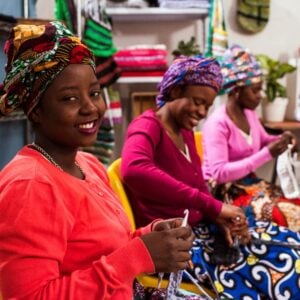
For UN Women, the dialogue represented a key step toward gender-transformative disaster risk reduction, ensuring women’s rights, leadership, and protection are central. Women are not only disproportionately affected by disasters but are also driving resilience through community preparedness, early warning systems, and local response initiatives. Cambodia’s approach reinforces that effective disaster risk reduction goes beyond infrastructure and emergency response to include rights, protection, and inclusion, ensuring women and girls can access safety and services before, during, and after crises.

Related Posts

  • DR Congo Women Break Workplace Barriers
  • Empowering Women for Peace in Rural Indonesia: Volunteer Stories
  • Mainstreaming Gender Equality in China’s Global Development Programs
  • Women’s Health Crisis: How Lack of Knowledge Drives Illness
  • Women Leaders Unite for Gender Equality and Multilateralism

Primary Sidebar

Latest News

Keck Foundation Supports Early-Career Scientists at UC Davis with $1.2 Million Bridge Funding

Capricorn Foundation Boosts Rural Revive with N$1.2 Million to Support Sustainable Rural Development in Namibia

Generalist Raises $400 Million to Advance Physical AI and Robotics Foundation Models

Literary Arts Fund to Distribute $7.7 Million in Grants to Strengthen U.S. Literary Organizations

Merantix Capital Raises €103 Million AI Fund to Back Early-Stage European Startups

Lovable Targets $12 Billion Valuation in New Funding Round as AI Coding Boom Accelerates

First Club Raises $55 Million in Series B to Scale Quality-Focused Quick Commerce in India

EIB Releases Second $576.2 Million Tranche for Morocco Earthquake Reconstruction

A Mother’s Strength: Surviving Conflict and Rebuilding Hope in Sudan

€6.3 Million Cross-Border Peace Project to Unite Creeslough and Greysteel Communities

Norvestor Closes Oversubscribed €2 Billion Flagship Fund

ARM-Harith Secures $76 Million for Africa Climate Fund

UN Warns Humanity’s Future Depends on Protecting a Rapidly Changing Ocean

Egypt Launches Red Sea Initiative to Protect Coral Reefs and Build a Sustainable Blue Economy

Egypt Launches Digital Skills Programme for 10,000 Students

Africa’s First Inclusive-Insurance Fund Hits $12M First Close

$30 Million Investment to Improve Drinking Water Safety in New Zealand Schools

New $62.5 Million Investment to Expand Classrooms Across South Island Schools

Japan and FAO Launch $1.33M Fisheries Recovery Project in Sri Lanka’s East

EBRD and EU Boost Youth Entrepreneurship in Mongolia with $80 Million Financing

CAR Secures $90M World Bank Grant for Roads and Energy

EBRD and EU Expand SME Go Green Programme to Accelerate Green Investment in Western Balkans

EBRD Expands Trade and Green Finance Support in Kyrgyz Republic with $25 Million Package

From Field to Digital Platform: Armenia Builds Biodiversity Data Skills

EBRD Provides $15 Million to Boost Green Finance and Women’s Entrepreneurship in Tajikistan

Bhutan’s National Waste Survey Highlights Urgent Need for Stronger Management

EBRD Provides €95 Million Loan to Rebuild Water Infrastructure in Earthquake-Hit Malatya

Ocean Plastic Pollution Continues to Rise, UN Warns Ahead of World Ocean Day 2026

UNDP and IMF-CEF Launch Training on Sovereign Thematic Bonds and Sukuk

EBRD and Japan Launch $1 Billion Local Currency Financing Facility to Boost Economic Resilience

EBRD Provides €10 Million Loan to Modernise Pharmaceutical Logistics in Georgia

Women Peacebuilders Connect Across Bougainville and the Highlands

EBRD Governors Reaffirm Strong Focus on Ukraine and Middle East Support

EBRD and Kazakhstan Extend Five-Year Cooperation to Strengthen Investment and Economic Reform

EBRD Showcases Sustainable Cosmetics Innovation During Donor Visit in Latvia

Egypt Launches Red Sea Initiative to Protect Coral Reefs and Boost Blue Economy

EBRD and Baltic States Strengthen Partnership to Advance Unified Pan-Baltic Capital Market

Women Leading Climate Resilience on India’s Coasts

EBRD, EU and ArmSwissBank Launch $20 Million Financing Initiative for Refugees and Young Entrepreneurs in Armenia

FAO Strengthens Tajikistan’s Pandemic Preparedness with Advanced Laboratory Equipment

Funds for NGOs
Funds for Companies
Funds for Media
Funds for Individuals
Sample Proposals

Contact us
Submit a Grant
Advertise, Guest Posting & Backlinks
Fight Fraud against NGOs
About us

Terms of Use
Third-Party Links & Ads
Disclaimers
Copyright Policy
General
Privacy Policy

Premium Sign in
Premium Sign up
Premium Customer Support
Premium Terms of Service

©FUNDSFORNGOS LLC.   fundsforngos.org, fundsforngos.ai, and fundsforngospremium.com domains and their subdomains are the property of FUNDSFORNGOS, LLC 1018, 1060 Broadway, Albany, New York, NY 12204, United States.   Unless otherwise specified, this website is not affiliated with the abovementioned organizations. The material provided here is solely for informational purposes and without any warranty. Visitors are advised to use it at their discretion. Read the full disclaimer here. Privacy Policy. Cookie Policy.