The ongoing conflict in the Middle East could undermine Syria’s fragile recovery, senior officials from the United Nations told the United Nations Security Council on Wednesday, urging the international community to increase support for the country.
Briefing ambassadors were Claudio Cordone, the Secretary-General’s Deputy Special Envoy for Syria, and Joyce Msuya of the United Nations Office for the Coordination of Humanitarian Affairs (OCHA), alongside Syrian Olympic athlete and United Nations High Commissioner for Refugees (UNHCR) Goodwill Ambassador Yusra Mardini.
Regional escalation impacting Syria
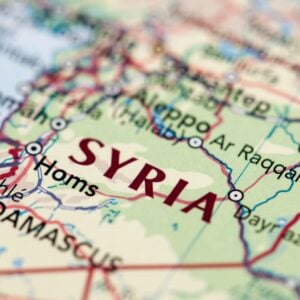
Mr. Cordone warned that the “alarming regional escalation” is already affecting Syria, which is navigating a political transition more than a year after the overthrow of former President Bashar al-Assad and following 14 years of civil war.
He noted that incidents inside Syrian territory have included debris falling from intercepted Iranian missiles and drones, causing civilian casualties, as well as shelling from Lebanon attributed to Hezbollah. At the same time, Israeli helicopter and drone operations in Syrian airspace have increased, with Israeli forces also carrying out incursions into Syrian territory.
Displacement pressures grow
The regional conflict has also forced thousands of people to flee. Israeli airstrikes in Lebanon have killed both Lebanese and Syrian nationals and driven roughly 140,000 people—mostly Syrians—across the border into Syria in search of safety.
Mr. Cordone reiterated calls for Israel to respect Syria’s sovereignty and adhere to the 1974 Disengagement of Forces Agreement, warning that prolonged regional conflict could derail the country’s gradual political, institutional and economic recovery.
Humanitarian concerns at a fragile moment
Ms. Msuya highlighted the humanitarian impact of the escalation, noting that falling debris has caused casualties and property damage, while new arrivals from Lebanon add to the pressures faced by communities already coping with the return of around 1.5 million refugees from neighbouring countries since December 2024.
Despite airspace restrictions, the closure of the airport in Damascus, and heightened security risks, humanitarian operations are continuing across the country. However, she stressed that Syria’s opportunity for economic recovery and reduced reliance on large-scale humanitarian assistance remains fragile and dependent on sustained international support.
Call for diplomacy, aid and investment
Ms. Msuya urged Security Council members to maintain diplomatic engagement to stabilize remaining flashpoints, sustain humanitarian assistance and support economic recovery. She warned that disruptions to shipping routes and rising prices of fuel, fertilizer and essential goods could significantly impact Syria’s already fragile economy.
Appeal for unity and support
Addressing the Council, Ms. Mardini shared her personal experience as someone who grew up during the conflict, noting that many children in Syria have never known a day of peace.
She called for reconciliation and societal recovery, emphasizing the need to overcome divisions and invest in the country’s future. Ms. Mardini also urged the international community to support education, capacity-building and financial investment to help rebuild Syria and create opportunities for young people.