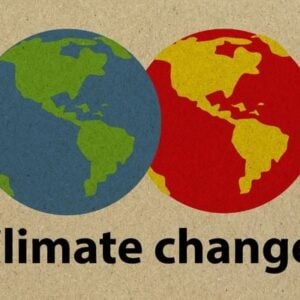
The Pan American Health Organization (PAHO) has released new national climate and health country profiles for seven Caribbean nations: Belize, Guyana, Haiti, Jamaica, Saint Kitts and Nevis, Saint Lucia, and Trinidad and Tobago. These profiles provide a comprehensive overview of each country’s climate hazards and related health risks, track national progress in addressing climate-driven health threats, and highlight opportunities where mitigation efforts can improve health outcomes. Each profile also identifies priority actions and points to supporting resources for policymakers and health practitioners.
Key recommendations from the profiles include accelerating the development and implementation of climate and health policies, national climate adaptation plans, and strategies. The reports emphasize the importance of strengthening integrated risk surveillance and early warning systems, improving access to international climate finance for health adaptation, enhancing training and capacity-building for health professionals, and fostering intersectoral collaboration to respond effectively to climate and health challenges.
Small island developing states (SIDS), such as the seven Caribbean countries profiled, face disproportionate climate impacts despite contributing very little to global greenhouse gas emissions. These nations are also experiencing a ‘triple burden’ of malnutrition, with undernutrition, micronutrient deficiencies, and overweight or obesity occurring simultaneously. Climate change is expected to exacerbate these health challenges, including rising mortality from noncommunicable diseases (NCDs). Between 2010 and 2021, NCD mortality rates in the Caribbean increased from around 530 to just over 600 per 100,000 people, a trend projected to continue due to climate pressures.
Climate change is also expected to affect freshwater availability, agricultural land, fisheries, and tourism—critical sectors for Caribbean economies. Rising temperatures, heatwaves, droughts, and increasing vector-borne diseases like dengue are elevating disease burden, reducing productivity, and placing additional strain on health systems. Vulnerable populations, who have contributed least to climate change, are expected to experience the most severe impacts.
This work was carried out by PAHO in collaboration with the World Health Organization (WHO), the United Nations Framework Convention on Climate Change (UNFCCC), and national governments. The initiative received financial support from the Green Climate Fund (GCF) through its Readiness and Preparatory Support Programme, which aims to enhance climate resilience of health systems in the seven CARICOM states.