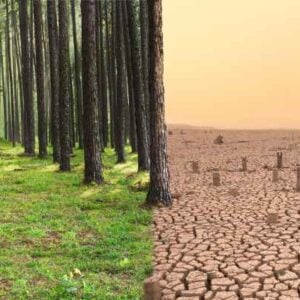
Maryanne Gichanga, a Kenyan agricultural entrepreneur and participant in a UN-supported initiative, is helping farmers confront the growing pressures of climate change through innovation. In a country where agriculture employs up to 75 per cent of the population, shifting weather patterns, recurring droughts and the loss of productive land are threatening livelihoods and food security, making climate resilience an urgent priority.
As extreme weather events become more frequent and severe in Kenya, Maryanne believes technology is essential to protecting farmers’ incomes. Drawing on her background growing up in a farming family, she witnessed firsthand how poor harvests driven by climate change directly affected household stability and children’s access to education. These experiences inspired her to develop practical solutions that support smallholder farmers facing similar challenges.
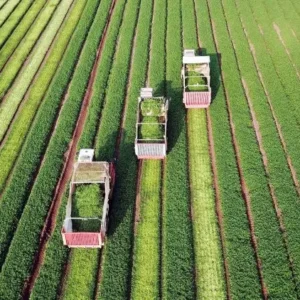
Speaking ahead of the International Day of Clean Energy, Maryanne described how she uses solar-powered sensors and AI-driven satellite data to provide farmers with real-time insights into soil health, crop conditions and weather patterns. These tools enable farmers to make better decisions, improve productivity and reduce losses caused by unpredictable climate conditions. Support from Greenovations Africa, a UN-backed initiative promoting women entrepreneurs, played a crucial role by providing training and seed funding to help her scale her work.
Operating in a largely male-dominated sector has brought significant challenges, particularly in communities where female leadership is often questioned. Maryanne says persistence, collaboration and demonstrating results have been key to overcoming skepticism. For her, staying focused on the purpose behind her work—improving the lives of farming families and securing better futures for their children—has been a powerful motivator.
The greatest reward, she says, comes from seeing tangible change. Increased crop yields, improved incomes and farmers gaining greater control over how and when they sell their produce are clear signs of impact. These successes drive her to continue expanding her work and reaching more communities affected by climate stress.
Maryanne encourages other women and girls interested in agriculture, innovation or climate action to pursue their ideas with confidence. She emphasizes that learning happens along the way and that support is available through funding, training and mentorship. Her message is simple: there is no perfect time to start, and persistence can turn ideas into solutions that transform lives.