• Skip to primary navigation
  • Skip to main content
  • Skip to primary sidebar

fundsforNGOs News

Grants and Resources for Sustainability

  • Subscribe for Free
  • Premium Support
  • Premium Login
  • Premium Sign up
  • Home
  • Funds for NGOs
    • Agriculture, Food and Nutrition
    • Animals and Wildlife
    • Arts and Culture
    • Children
    • Civil Society
    • Community Development
    • COVID
    • Democracy and Good Governance
    • Disability
    • Economic Development
    • Education
    • Employment and Labour
    • Environmental Conservation and Climate Change
    • Family Support
    • Healthcare
    • HIV and AIDS
    • Housing and Shelter
    • Humanitarian Relief
    • Human Rights
    • Human Service
    • Information Technology
    • LGBTQ
    • Livelihood Development
    • Media and Development
    • Narcotics, Drugs and Crime
    • Old Age Care
    • Peace and Conflict Resolution
    • Poverty Alleviation
    • Refugees, Migration and Asylum Seekers
    • Science and Technology
    • Sports and Development
    • Sustainable Development
    • Water, Sanitation and Hygiene (WASH)
    • Women and Gender
  • Funds for Companies
    • Accounts and Finance
    • Agriculture, Food and Nutrition
    • Artificial Intelligence
    • Education
    • Energy
    • Environment and Climate Change
    • Healthcare
    • Innovation
    • Manufacturing
    • Media
    • Research Activities
    • Startups and Early-Stage
    • Sustainable Development
    • Technology
    • Travel and Tourism
    • Women
    • Youth
  • Funds for Individuals
    • All Individuals
    • Artists
    • Disabled Persons
    • LGBTQ Persons
    • PhD Holders
    • Researchers
    • Scientists
    • Students
    • Women
    • Writers
    • Youths
  • Funds in Your Country
    • Funds in Australia
    • Funds in Bangladesh
    • Funds in Belgium
    • Funds in Canada
    • Funds in Switzerland
    • Funds in Cameroon
    • Funds in Germany
    • Funds in the United Kingdom
    • Funds in Ghana
    • Funds in India
    • Funds in Kenya
    • Funds in Lebanon
    • Funds in Malawi
    • Funds in Nigeria
    • Funds in the Netherlands
    • Funds in Tanzania
    • Funds in Uganda
    • Funds in the United States
    • Funds within the United States
      • Funds for US Nonprofits
      • Funds for US Individuals
      • Funds for US Businesses
      • Funds for US Institutions
    • Funds in South Africa
    • Funds in Zambia
    • Funds in Zimbabwe
  • Proposal Writing
    • How to write a Proposal
    • Sample Proposals
      • Agriculture
      • Business & Entrepreneurship
      • Children
      • Climate Change & Diversity
      • Community Development
      • Democracy and Good Governance
      • Disability
      • Disaster & Humanitarian Relief
      • Environment
      • Education
      • Healthcare
      • Housing & Shelter
      • Human Rights
      • Information Technology
      • Livelihood Development
      • Narcotics, Drugs & Crime
      • Nutrition & Food Security
      • Poverty Alleviation
      • Sustainable Develoment
      • Refugee & Asylum Seekers
      • Rural Development
      • Water, Sanitation and Hygiene (WASH)
      • Women and Gender
  • News
    • Q&A
  • Premium
    • Premium Log-in
    • Premium Webinars
    • Premium Support
  • Contact
    • Submit Your Grant
    • About us
    • FAQ
    • NGOs.AI
You are here: Home / cat / Gender-Based Violence in Somaliland: Reporting Mechanisms and Support

Gender-Based Violence in Somaliland: Reporting Mechanisms and Support

Dated: January 14, 2026

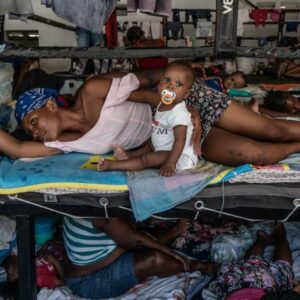
Journalism in Somaliland is undergoing a significant transformation, moving beyond traditional reporting on official statements and breaking news toward in-depth coverage of complex and sensitive issues. Supported by targeted training and production funding, a new generation of journalists is increasingly reporting from spaces that were previously inaccessible, including displacement camps and areas affected by gender-based violence (GBV). Fatima Mohamed, a young Somali journalist, exemplifies this shift; her video reportage on women affected by displacement and violence was selected for screening at the African Women in Media Conference 2025, highlighting both the realities faced by survivors and the evolving professionalism of journalism in the region.

Fatima’s work responds to urgent and often overlooked challenges, including climate change-induced displacement, mass drought, and famine, which have forced tens of thousands into informal camps across Somaliland. These conditions increase women’s vulnerability to gender-based violence, yet cultural stigma and fear of shame often prevent survivors from speaking out. Through careful, survivor-centered reporting, Fatima collaborated with local service providers, government ministries, and community organizations to build trust and ethically amplify women’s voices, ensuring their experiences are documented without sensationalism.

Her reportage was produced as part of the Danwaadag project, supported by Free Press Unlimited in partnership with the Somaliland Journalists Association (SOLJA) and other organizations. Ten journalists were selected through a competitive open call, focusing on Disaster Risk Management and GBV, with women journalists encouraged to lead GBV coverage due to cultural sensitivities and survivor trust. The project emphasized ethical reporting principles, including privacy, respect, and cultural awareness, helping journalists navigate sensitive topics safely and professionally.

The work of Fatima and her peers reflects broader changes in Somaliland journalism, with growing professionalism, stronger editorial practices, and increased willingness to cover difficult stories. Women journalists are particularly critical in ensuring that the full reality is told, as their perspectives enable access to stories that might otherwise remain hidden. By situating gender-based violence within the broader context of displacement, climate change, and social vulnerability, this reporting not only raises awareness but also challenges policymakers, international organizations, and the public to confront systemic issues affecting women and marginalized communities in Somaliland.

Related Posts

  • Spotlight Initiative Highlights Key Progress in Combating Gender-Based Violence
  • Violence Against Women in Utah: Why Progress Remains Elusive
  • Explained: Haiti’s Gang Violence Crisis and How to Support Relief Efforts
  • Promoting Women’s Health in The Hills Through Menstrual Education
  • InvestigateWest secures $450,000 grant from Inatai Foundation to strengthen investigative journalism

Primary Sidebar

Latest News

Africa Agrifood Systems Conference Opens in Mauritania

Taking Action to Protect Africa’s Agrifood Sector

Afreximbank Allocates $10B to Protect African, CARICOM Economies

Drastic UK Aid Reductions Impact African Health Sector

Inefficient Training Costs Charities Nearly £30M Each Year

RIF Unveils Platform to Boost Grant Efficiency

Czech Culture Funding Rises, But Sector Calls It Short

£2.5M Digital Upgrade Planned by North West Manufacturers

Highland Rural Communities Awarded £1M+ to Boost Local Assets and Reduce Inequalities

Boosting Rural and Regional Research Across Australia

Commission Commits €30 Million to Strengthen AMR Response

Global Urgent Action Needed After Trump’s Apocalyptic Iran Threats

Türkiye: LGBTI+ Organization Board Faces Unjust Charges

New One Health Initiatives: WHO and France Turn Vision into Action

Why Defending Science Means Defending Lives

Misdiagnosis and Bias: Why Women Live Longer but Suffer More

Russia and China Veto UN Resolution on Strait of Hormuz Security

Global Headlines: Mediterranean Deaths, Afghanistan Crisis, ‘One Health’ Talks

Strengthening Quispamsis: New Investments in Drinking Water

Canada Invests in Green Jobs for Young People

Opportunities for UK in Japan’s £1.4B Organic Sector

Call for Bids: Electrical Materials Procurement in Kenya

Fighting Tuberculosis in Kyrgyzstan: Stories of Hope

ILO Urges Reforms in Pacific Labour Migration Schemes

Kenya’s Inclusion Journey with Benter Bella

Early Childhood Development in Nigeria: Building a Strong Foundation

Marshall Islands to Receive New World Bank Support for Disaster Resilience

New ADB Fund Accelerates ASEAN Power Grid Development

Zambia Unveils 300 MW Solar-Storage Tender with Norway

Insights from Vivax Malaria Intervention Feasibility Studies

Lessons from Brazil: Digital Transformation Driving Trust

What the US and China Teach About Renewable Energy Growth

Regions Foundation Awards $100K to Mississippi State for Startup Programs

Beyond Electricity: Zambia’s Community Development

Powering Healthcare: Renewed Global Commitment

Energy Security Lessons from the Hormuz Crisis

Women’s Health Amid Crisis in the DRC

Climate Finance in Ethiopia: Current Status and Future Prospects

Solar Irrigation Solutions for Indian Agriculture

Lessons from Phase II of Detroit CDO and ECDO Funds

Funds for NGOs
Funds for Companies
Funds for Media
Funds for Individuals
Sample Proposals

Contact us
Submit a Grant
Advertise, Guest Posting & Backlinks
Fight Fraud against NGOs
About us

Terms of Use
Third-Party Links & Ads
Disclaimers
Copyright Policy
General
Privacy Policy

Premium Sign in
Premium Sign up
Premium Customer Support
Premium Terms of Service

©FUNDSFORNGOS LLC.   fundsforngos.org, fundsforngos.ai, and fundsforngospremium.com domains and their subdomains are the property of FUNDSFORNGOS, LLC 1018, 1060 Broadway, Albany, New York, NY 12204, United States.   Unless otherwise specified, this website is not affiliated with the abovementioned organizations. The material provided here is solely for informational purposes and without any warranty. Visitors are advised to use it at their discretion. Read the full disclaimer here. Privacy Policy. Cookie Policy.