• Skip to primary navigation
  • Skip to main content
  • Skip to primary sidebar

fundsforNGOs News

Grants and Resources for Sustainability

  • Subscribe for Free
  • Premium Support
  • Premium Login
  • Premium Sign up
  • Home
  • Funds for NGOs
    • Agriculture, Food and Nutrition
    • Animals and Wildlife
    • Arts and Culture
    • Children
    • Civil Society
    • Community Development
    • COVID
    • Democracy and Good Governance
    • Disability
    • Economic Development
    • Education
    • Employment and Labour
    • Environmental Conservation and Climate Change
    • Family Support
    • Healthcare
    • HIV and AIDS
    • Housing and Shelter
    • Humanitarian Relief
    • Human Rights
    • Human Service
    • Information Technology
    • LGBTQ
    • Livelihood Development
    • Media and Development
    • Narcotics, Drugs and Crime
    • Old Age Care
    • Peace and Conflict Resolution
    • Poverty Alleviation
    • Refugees, Migration and Asylum Seekers
    • Science and Technology
    • Sports and Development
    • Sustainable Development
    • Water, Sanitation and Hygiene (WASH)
    • Women and Gender
  • Funds for Companies
    • Accounts and Finance
    • Agriculture, Food and Nutrition
    • Artificial Intelligence
    • Education
    • Energy
    • Environment and Climate Change
    • Healthcare
    • Innovation
    • Manufacturing
    • Media
    • Research Activities
    • Startups and Early-Stage
    • Sustainable Development
    • Technology
    • Travel and Tourism
    • Women
    • Youth
  • Funds for Individuals
    • All Individuals
    • Artists
    • Disabled Persons
    • LGBTQ Persons
    • PhD Holders
    • Researchers
    • Scientists
    • Students
    • Women
    • Writers
    • Youths
  • Funds in Your Country
    • Funds in Australia
    • Funds in Bangladesh
    • Funds in Belgium
    • Funds in Canada
    • Funds in Switzerland
    • Funds in Cameroon
    • Funds in Germany
    • Funds in the United Kingdom
    • Funds in Ghana
    • Funds in India
    • Funds in Kenya
    • Funds in Lebanon
    • Funds in Malawi
    • Funds in Nigeria
    • Funds in the Netherlands
    • Funds in Tanzania
    • Funds in Uganda
    • Funds in the United States
    • Funds within the United States
      • Funds for US Nonprofits
      • Funds for US Individuals
      • Funds for US Businesses
      • Funds for US Institutions
    • Funds in South Africa
    • Funds in Zambia
    • Funds in Zimbabwe
  • Proposal Writing
    • How to write a Proposal
    • Sample Proposals
      • Agriculture
      • Business & Entrepreneurship
      • Children
      • Climate Change & Diversity
      • Community Development
      • Democracy and Good Governance
      • Disability
      • Disaster & Humanitarian Relief
      • Environment
      • Education
      • Healthcare
      • Housing & Shelter
      • Human Rights
      • Information Technology
      • Livelihood Development
      • Narcotics, Drugs & Crime
      • Nutrition & Food Security
      • Poverty Alleviation
      • Sustainable Develoment
      • Refugee & Asylum Seekers
      • Rural Development
      • Water, Sanitation and Hygiene (WASH)
      • Women and Gender
  • News
    • Q&A
  • Premium
    • Premium Log-in
    • Premium Webinars
    • Premium Support
  • Contact
    • Submit Your Grant
    • About us
    • FAQ
    • NGOs.AI
You are here: Home / cat / Promoting Women’s Health in The Hills Through Menstrual Education

Promoting Women’s Health in The Hills Through Menstrual Education

Dated: January 8, 2026

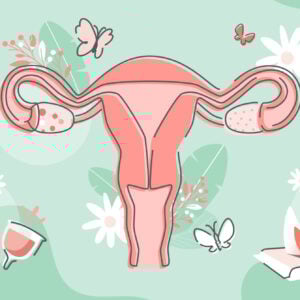
In Merung, one of the most remote unions in Khagrachari, part of the Chittagong Hill Tracts, menstrual health was long a silent struggle. Limited awareness and the high cost of sanitary pads often kept girls out of school and left women enduring discomfort. The situation is now changing through UNDP Bangladesh’s Women and Girls Empowerment through Inclusive Education (WGEIE) initiative under the Economic Recovery and Resilience in the Chittagong Hill Tracts (ERRD-CHT) project, supported by the Government of Canada, with local champions like Julli Chakma leading the effort.

Julli Chakma, a 37-year-old Reproductive Health Care Worker, is part of a network of 118 trained women connected to 270 project-supported educational institutions across the three hill districts. Their mission is to break taboos, spread menstrual health knowledge, and make safe, biodegradable sanitary pads called “Swasti” accessible to all girls and women. These pads, locally produced with support from the ERRD-CHT Project and approved by BSTI, are affordable and environmentally friendly.

With training in menstrual hygiene management, entrepreneurship, and community engagement, Julli conducts regular sessions in schools and villages. She teaches proper usage and timely replacement of pads, promotes dignity in menstrual health, and distributes Swasti pads at subsidized prices. Her efforts have led to a transformation in attitudes, with more girls staying in school, women speaking openly about menstrual health, and communities embracing healthier practices.

The initiative is particularly crucial in the Chittagong Hill Tracts, where geographic and cultural barriers often isolate women from essential health services. Community-based workers like Julli serve as a bridge, bringing care, confidence, and conversation to places where silence once prevailed. Julli observes that girls and women are now more confident and informed, reflecting both community change and her personal growth.

Despite challenges such as market acceptance and transport costs, the program continues to expand, aiming to reach even more remote areas. By addressing menstrual health, the initiative not only improves hygiene but also fosters inclusive education, women’s empowerment, and gender equality across the region.

Related Posts

  • Menstrual Hygiene Health Education: Empowering Girls and Breaking Stigmas
  • Pakistan’s Health Heroes Lead the Fight Against Cervical Cancer in Girls
  • $168 Million Federal Grant to Strengthen Rural Health Care Programs in Maryland
  • Community Funding Boost Strengthens Mental Health Prevention and Early Support
  • The Importance of Supporting Children’s Mental Health in Rural India

Primary Sidebar

Latest News

Ending Malaria in Our Lifetime: WHO Call for Pakistan Action

PAHO Strengthens ICD-11 Capacity Building Across the Region

Jamaica Observes Vaccination Week in the Americas

WHO Prequalifies First-Ever Malaria Drug for Infants

Vaccines Save 150 Million Lives Across Generations – WHO

Airliner Safety, Somalia Drought and Solar Farming in Ethiopia Update

How Sport Is Empowering Girls in Uganda

Renewables Rising Part 1: Four Countries Reshaping Energy Security

Toxic Legacy Threatens South Pacific Islands as Communities Resist

Seeking Stability in Volatile Fossil Fuel Markets with Renewables

Mali: UN Chief Calls for Action on Sahel Violent Extremism

Chokepoints and Conflict: Hormuz Shipping Crisis Impact

AfDB and Gabon Conclude Africa Energy Market Place 10th Edition

Morocco: AfDB Grants $510K to Strengthen Social Welfare Supervision

AfDB Civil Society Consultation on Regional Integration Strategy 2026–2033

Kazakhstan’s SME Finance Lesson: The Design Dividend Explained

Smarter Logistics Drive Trade Growth and Job Creation

How Women’s Digital Literacy Is Unlocking Opportunity

BII Launches £15 Billion Fund to Cut Coal Emissions in Asia

EIB Group Boosts Europe’s Clean Energy with €10 Billion Financing Plan

Council Finalises €90 Billion Loan Support for Ukraine

EU Releases €175,000 Humanitarian Aid After Recent Floods

BII Launches Climate Initiative, Plans £15 Billion Investment in Developing Economies

Africa Sees Vaccine Success Against Cancer and Malaria as Funding Pressures Build

Investing in girls’ and young women’s mental health for a stronger future

FAO, US conclude initiative boosting early warning and biosecurity systems

Zimbabwe showcases aquaculture investment opportunities at ZITF 2026 to boost jobs and trade

Heatwaves Push Agrifood Systems to the Brink Worldwide

Western Pacific Progress on Vaccines Must Be Protected: WHO

KSrelief Helps Pakistan Protect Millions from Polio

WHO, Pakistan Deliver 160 Million Childhood Vaccines Over 50 Years

Measles Surge in Americas Prompts PAHO Vaccination Call

WHO 2025 Report Shows Measurable Global Health Impact

WHO Confirms Algeria Has Eliminated Trachoma

Largest Catch-Up Immunization Drive Delivers 100 Million Vaccinations

Ghana, IOM Boost Disaster Risk Reduction and Emergency Response

Malnutrition Crisis Deepens in Somalia Camp Amid Severe Drought

Arizona Lands and Waters Receive New Funding Support

European Union Approves 20th Round of Sanctions on Russia

Portugal Gets €81M European Funding to Build Six Research Centres

Funds for NGOs
Funds for Companies
Funds for Media
Funds for Individuals
Sample Proposals

Contact us
Submit a Grant
Advertise, Guest Posting & Backlinks
Fight Fraud against NGOs
About us

Terms of Use
Third-Party Links & Ads
Disclaimers
Copyright Policy
General
Privacy Policy

Premium Sign in
Premium Sign up
Premium Customer Support
Premium Terms of Service

©FUNDSFORNGOS LLC.   fundsforngos.org, fundsforngos.ai, and fundsforngospremium.com domains and their subdomains are the property of FUNDSFORNGOS, LLC 1018, 1060 Broadway, Albany, New York, NY 12204, United States.   Unless otherwise specified, this website is not affiliated with the abovementioned organizations. The material provided here is solely for informational purposes and without any warranty. Visitors are advised to use it at their discretion. Read the full disclaimer here. Privacy Policy. Cookie Policy.