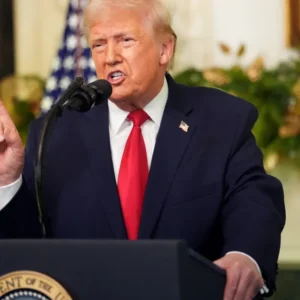
The Trump administration has announced plans to withdraw the United States from over 60 international organizations, conventions, and treaties, including key climate institutions such as the United Nations Framework Convention on Climate Change (UNFCCC) and the Intergovernmental Panel on Climate Change (IPCC). This decision is part of a broader retreat from international climate engagement, framed by the administration as aligning with US national interests. Experts warn that exiting these multilateral institutions undermines global cooperation, weakens shared scientific understanding, and reduces accountability and transparency on climate action, all of which are critical for addressing rising greenhouse gas emissions, extreme temperatures, and climate-driven disasters.
Climate change already threatens fundamental human rights, including the rights to life, health, food, water, housing, and a safe environment. Within the United States, fenceline communities near fossil fuel and petrochemical facilities are disproportionately affected by policies that harm health and the environment. Internationally, UN climate processes have helped countries like Bangladesh and Fiji plan for safer housing and disaster preparedness for communities exposed to floods, cyclones, and rising seas, highlighting the importance of global collaboration.
Although the US has already withdrawn from the Paris Agreement, leaving the UNFCCC represents a more significant step, as it removes the country from negotiations that shape rules on emissions reporting, carbon markets, adaptation, and climate finance. The UNFCCC provides a structured framework for governments to document and assess climate actions, offering formal opportunities for civil society participation and independent review. Withdrawal would limit international scrutiny of US climate policies and their impacts on human rights.
While climate progress is occurring through courts, domestic regulations, cross-border initiatives, and supply chain standards, these efforts cannot replicate the near-universal participation and transparency offered by the UNFCCC. Given that climate change is a global crisis that transcends borders, governments should strengthen, not dismantle, international frameworks to reduce emissions, adapt to climate impacts, and accelerate a just transition to renewable energy, ensuring both environmental and human rights protections are upheld.