At least 23,000 people in Somalia have gained access to safe drinking water following the completion of two new solar-powered boreholes in Awrboogays in Sanag and Bacadwyen in Galkayo. Handed over to local communities, the boreholes mark the first phase of a broader initiative to improve water access in four drought-affected districts, with a long-term goal of reaching 120,000 people while strengthening community-led water governance in some of the country’s most water-stressed rural areas.
The initiative is jointly implemented by the Federal Ministry of Energy and Water Resources and UNDP, with financial support from the Saudi Fund for Development. It responds to years of prolonged drought, climate variability and chronic underinvestment in water infrastructure. In addition to the two completed boreholes, nine more are under construction, signalling steady progress toward expanding sustainable water solutions across severely affected regions.
Community engagement has been central to the project’s design and implementation. Consultations held in mid-2025 involved elders, women and youth in identifying priority water needs, selecting drilling sites and forming Water Resources User Associations to manage and maintain the infrastructure. These locally driven structures are intended to ensure long-term sustainability while supporting both resident populations and internally displaced people who rely heavily on shared water sources.
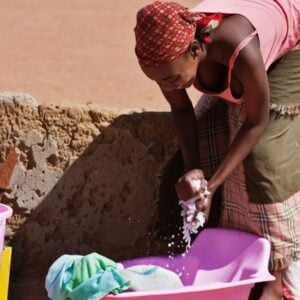
Somalia’s water crisis remains acute, with nearly half the population lacking access to basic water services and many rural households dependent on expensive private water tankers or unsafe open water storage. The new solar-powered boreholes, equipped with deep drilling systems, elevated storage tanks, water kiosks and animal troughs, are reducing the daily burden on women, children and pastoralists, improving health outcomes and supporting livelihoods. By combining renewable energy, infrastructure investment and community leadership, the project represents a significant step toward building resilience and improving living conditions in drought-hit areas of Somalia.