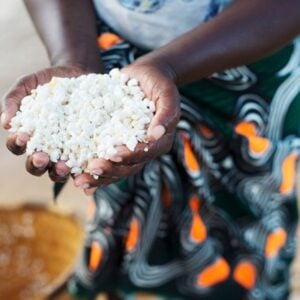
Amid a worsening hunger crisis in West and Central Africa, the United Nations World Food Programme (WFP) reached over 3.3 million of the region’s most vulnerable people with emergency food and nutrition assistance between June and September 2025. This response was made possible by critical funding from the European Union’s Directorate-General for European Civil Protection and Humanitarian Aid Operations. WFP’s interventions spanned Burkina Faso, Cameroon, Chad, Côte d’Ivoire, Mali, Mauritania, Niger, and Nigeria, targeting communities affected by severe food insecurity due to conflict, natural disasters, and forced displacement.
The EU-funded support arrived during a period of significant humanitarian funding reductions, with nearly 52 million people in the region projected to face acute hunger during the June-August lean season. Despite logistical and access challenges, WFP and its partners provided aid through cash-based transfers, in-kind food distributions, and specialized nutrition support for children under two. In Burkina Faso alone, over 221,000 individuals, including 124,800 internally displaced persons, received assistance, enabling 86 percent of families to avoid crisis coping strategies and improving food consumption scores from 13 percent to 60 percent.
In Cameroon, the EU’s funding enabled a targeted lean season response reaching 58,700 people, with 57 percent women, through cash transfers and 159 metric tons of food commodities. These interventions not only met immediate food needs but also stimulated local markets and reinforced community resilience. Across Chad, Côte d’Ivoire, Mali, Mauritania, Niger, and Nigeria, WFP provided rapid relief to refugees, returnees, host communities, and newly displaced people, often delivering food within 72 hours of displacement.
Food insecurity and malnutrition in the region are driven by conflict, population displacement, extreme weather, economic instability, and rising food prices. Over 11 million people are forcibly displaced, including 3.1 million refugees and asylum seekers and 8.2 million internally displaced persons, who are particularly vulnerable due to loss of access to farms and grazing lands.
The EU’s partnership with WFP has been critical not only for delivering food and nutrition aid but also for supporting geospatial food security analysis, early warning systems, vulnerability assessments, and targeting of humanitarian and development interventions. WFP emphasizes the need for increased investment to meet immediate humanitarian needs while developing sustainable solutions to reduce long-term dependence on emergency aid.