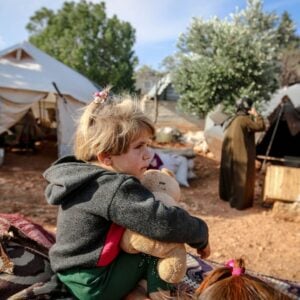
Humanitarian operations in Gaza are continuing despite ongoing access restrictions and coordination challenges. The United Nations and its partners are offloading essential supplies at border crossings around the enclave on a daily basis, aiming to meet urgent civilian needs. On Monday alone, nearly 4,000 pallets of aid were delivered through the Kerem Shalom crossing in the south and the Zikim crossing in the north.
The majority of the aid consisted of food supplies, alongside significant quantities of shelter materials, water, sanitation and hygiene items, and health and nutrition assistance. These deliveries reflect efforts to address widespread shortages of basic necessities as living conditions in Gaza remain extremely difficult. At the same time, the UN continues to negotiate access with Israeli authorities to carry out humanitarian movements, with only some planned missions receiving clearance to proceed.
Despite coordination constraints, humanitarian teams were able to redeploy staff and collect food and medical supplies from designated crossings, while also carrying out activities in areas that did not require prior authorization. On the education front, partners distributed winterization kits to thousands of children and installed specialized tents at learning centres to expand classroom capacity. These measures are expected to support tens of thousands of children by improving access to safe learning spaces during the colder months.
Additional efforts include mine action activities, with partners inspecting areas in Gaza for unexploded ordnance to facilitate safe rubble removal in locations such as Deir al Balah and Gaza City. These assessments are essential to reducing risks to civilians and enabling future recovery and reconstruction activities.
In the West Bank, the humanitarian situation is also worsening, particularly for farming families. A recent survey by the UN Food and Agriculture Organization indicates that more than 72,000 agricultural households urgently require emergency support. The vast majority have suffered income losses due to declining crop and livestock production and reduced sales, compounded by violence, economic disruption, and access constraints.
Agriculture remains a critical source of livelihood for many families in the West Bank, yet farmers and herders face mounting challenges, including rising living costs, water scarcity, movement restrictions, and high fuel and transport expenses. UN agencies stress that urgent cash and in-kind assistance is needed to sustain food production, protect livelihoods, and prevent a deeper humanitarian and food security crisis in the region.