Renewable water availability per person has declined by 7 percent over the past decade, while pressures on already scarce freshwater resources continue to increase, according to the 2025 AQUASTAT Water Data Snapshot released by the Food and Agriculture Organization of the United Nations (FAO). The report provides an updated global overview of water availability and use, including data on irrigation, efficiency, and water stress collected through the 2024 AQUASTAT cycle. Renewable water refers to freshwater naturally replenished through the hydrologic cycle, including evaporation, condensation, and precipitation.
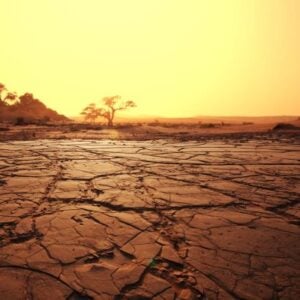
The Snapshot highlights that regions such as Northern Africa and Western Asia are under extreme water scarcity, with countries like Kuwait and Qatar ranking among the lowest globally in renewable water resources per person. Freshwater withdrawals have risen in several regions, adding further stress to rivers and aquifers, while agriculture remains the largest water-using sector, accounting for 72 percent of withdrawals in many areas.
Regional trends show notable disparities in both water availability and usage. In Northern Africa, freshwater availability per person is among the lowest in the world, with withdrawals rising by 16 percent over the last ten years. In Western Asia, population growth and agricultural demand are increasing pressure on limited supplies. Even regions with relatively higher water availability face competition among sectors due to urbanization and irrigated agriculture. Irrigation and water-use efficiency also vary widely, with parts of Latin America and Asia relying heavily on irrigation, while Sub-Saharan Africa has limited irrigated cropland, reflecting gaps in water infrastructure.
The Snapshot reports improvements in water-use efficiency across several regions, yet water stress remains high or very high in countries where withdrawals exceed renewable supplies. The report also presents updated indicators for Sustainable Development Goal (SDG) 6.4, tracking water-use efficiency and water stress, emphasizing the need for continued sustainable water management and resilience-building efforts.
AQUASTAT, FAO’s global information system on water and agriculture, provides internationally comparable data on water resources, usage, irrigation, and efficiency. It is a key reference for SDG 6.4 monitoring and informs the FAO flagship report “The State of the World’s Land and Water Resources for Agriculture” (SOLAW). Data are collected annually through national questionnaires and validated in close consultation with countries to ensure consistency, accuracy, and comparability. The 2025 edition has been released online to support evidence-based planning, SDG monitoring, and international cooperation on sustainable water management.